
Trade-in marketing is the work of getting owners in your market to drive their vehicle onto your lot and let you appraise it. Done well, it stocks your used car department with clean, local units and sells a replacement vehicle in the same visit. This guide is written for GMs, used car managers and dealer principals who want a repeatable plan for more trades: where they come from, what offer gets a response, which channels work, and how to measure the result in units and gross instead of clicks.
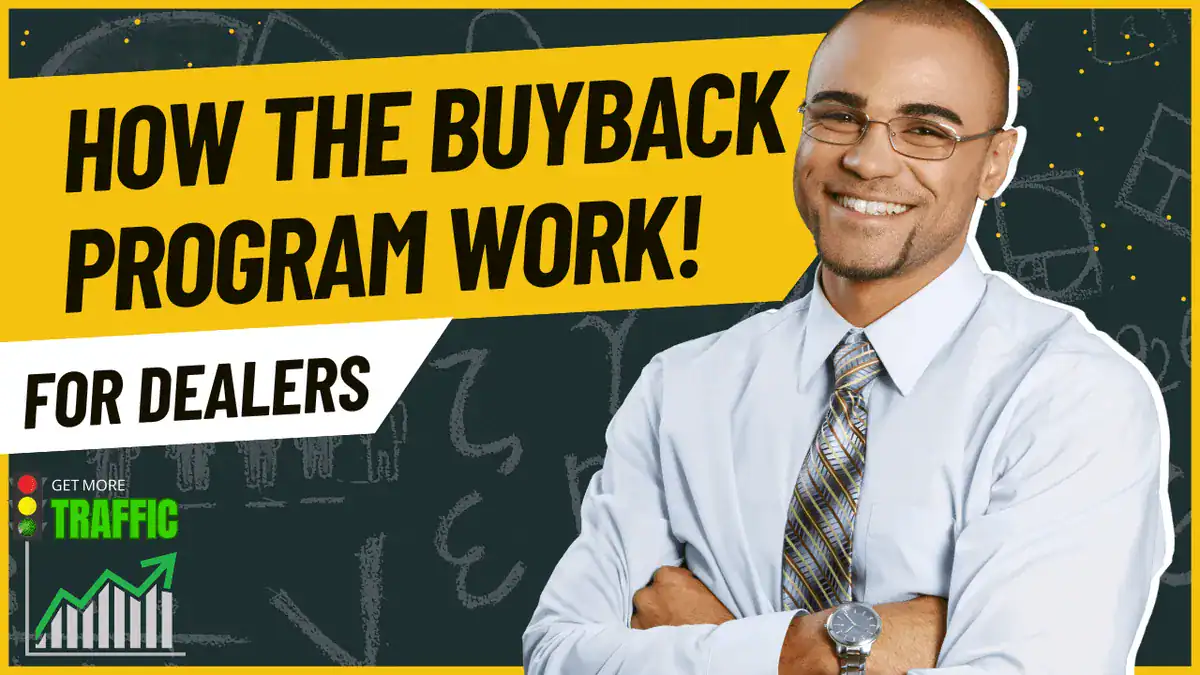
What trade-in marketing means for a dealership
Most dealership advertising talks about the car you want to sell. Trade-in marketing flips the message and talks about the car the customer already owns. The headline is not “come see our inventory.” It is “we want to buy your vehicle, and here is why now is a good time.” That one change brings a different buyer to the store: an owner who may not be shopping yet, who has equity, and who is driving the exact kind of unit your used car manager is trying to find at auction.
A strong program treats trades as a sourcing channel first and a sales channel second. Every appraisal is a chance to buy a car. Every acquired trade is a chance to sell one. When a store measures it that way, trade-in marketing stops being a seasonal promotion and becomes part of how the used car department stays stocked.
Why trades are the inventory you want most
Auction units come with buy fees, transport, reconditioning surprises and a bidding war against every other store chasing the same cars. A trade from your own market usually has a known history, often a service record in your own shop, and no transport bill. Your appraiser controls the number. That is why used car managers who live on the front line ask for more trades before they ask for more budget.
Trades also change the math on the deal that follows. A customer with a vehicle to trade has a built-in down payment, a reason to move now, and a clear picture of what they want next. Those deals tend to close faster than a cold showroom visit, and the store makes money on both sides of the transaction.
The five places trades come from
1. Your service lane
The customers sitting in your service drive already trust your store. Many of them are paying for repairs on a vehicle they would happily replace if someone showed them a payment that worked. A service-to-sales process with an appraisal offer at write-up, a sales manager walk-around during the wait, and a follow-up text the same day is the lowest cost trade source a store has.
2. Your sales and finance database
Owners you sold a few years ago are often in a position to trade without going upside down. Sorting that list by equity, term and vehicle type is called equity mining, and it gives you a ranked call and mail list of the best trade prospects in your market. Our guide to automotive equity mining walks through the data work step by step, and our guide to dealership customer retention covers how to keep those owners coming back.
3. Conquest owners in your market
Your database only covers people who have already done business with you. Conquest trade marketing reaches owners of the vehicles you want who bought somewhere else. Social ads aimed at a radius around the store, with creative built around the vehicle types your lot is short on, are the most direct way to reach them at scale.
4. Buyback events
A buyback event packages the offer into a deadline. The store tells the market it needs specific vehicles for a set number of days, staffs extra appraisers, and has the desk ready to work deals. The urgency is real because the event ends. See how a buyback sales event is built and promoted.
5. Staffed and private sale events
Some stores bring in an outside team for a weekend sale with a trade appraisal as the hook. That model can produce trades, but the cost and the hand-off back to your staff matter. Our breakdown of automotive staffed events compares the approaches so you can choose with the numbers in front of you.
Building a trade-in offer people answer
The offer is where most trade campaigns win or lose. A vague “top dollar for your trade” line reads like every other ad in the market. The offers that get a response share three traits.
- Specific. Name the vehicle types, model years or body styles you need. “We need SUVs and trucks” gives an owner a reason to believe the store means it.
- Time bound. A clear end date turns “someday” into “this week.” Events work because the deadline is honest.
- Easy to act on. One tap to message, one question about the vehicle, and an appraisal time on the calendar. Every extra step loses owners.
Keep the payment and incentive language accurate and approved by the dealer. The goal is an appraisal appointment with a real owner, not a click from someone who will never show.
The channels that bring trades in
Social ads. Facebook and Instagram let a store reach owners by location and interest, test several creatives at once, and move budget to what is working the same day. Click-to-message ads start a conversation instead of sending people to a form they abandon.
Direct mail. A personalized buyback letter to your equity list still works when the data is good and the follow-up is fast. Our guide to automotive direct mail covers the formats and costs.
Text and email. These are the fastest ways to reach owners already in your CRM. Use them to remind, confirm and follow up, not as the only touch.
In-store. Service lane signage, a trade appraisal offer on every repair order, and a sales manager who actually walks the drive.
Watch: using buybacks to find retail trades
Follow-up decides how many trades you actually get
A trade-in lead goes cold fast. An owner who asked about their vehicle on Friday night has often talked to other stores by Saturday morning. The store that answers first, asks one or two quick questions about the vehicle, and books a real appraisal time is the store that gets the car.
That is why Willowood pairs every campaign with a 24/7/365 US-based bilingual BDC. Our team holds a 98.6% lead response rate with an average response time under 3 minutes, and every confirmed appointment lands in your CRM with the customer, the vehicle and the time.
How to measure a trade-in campaign
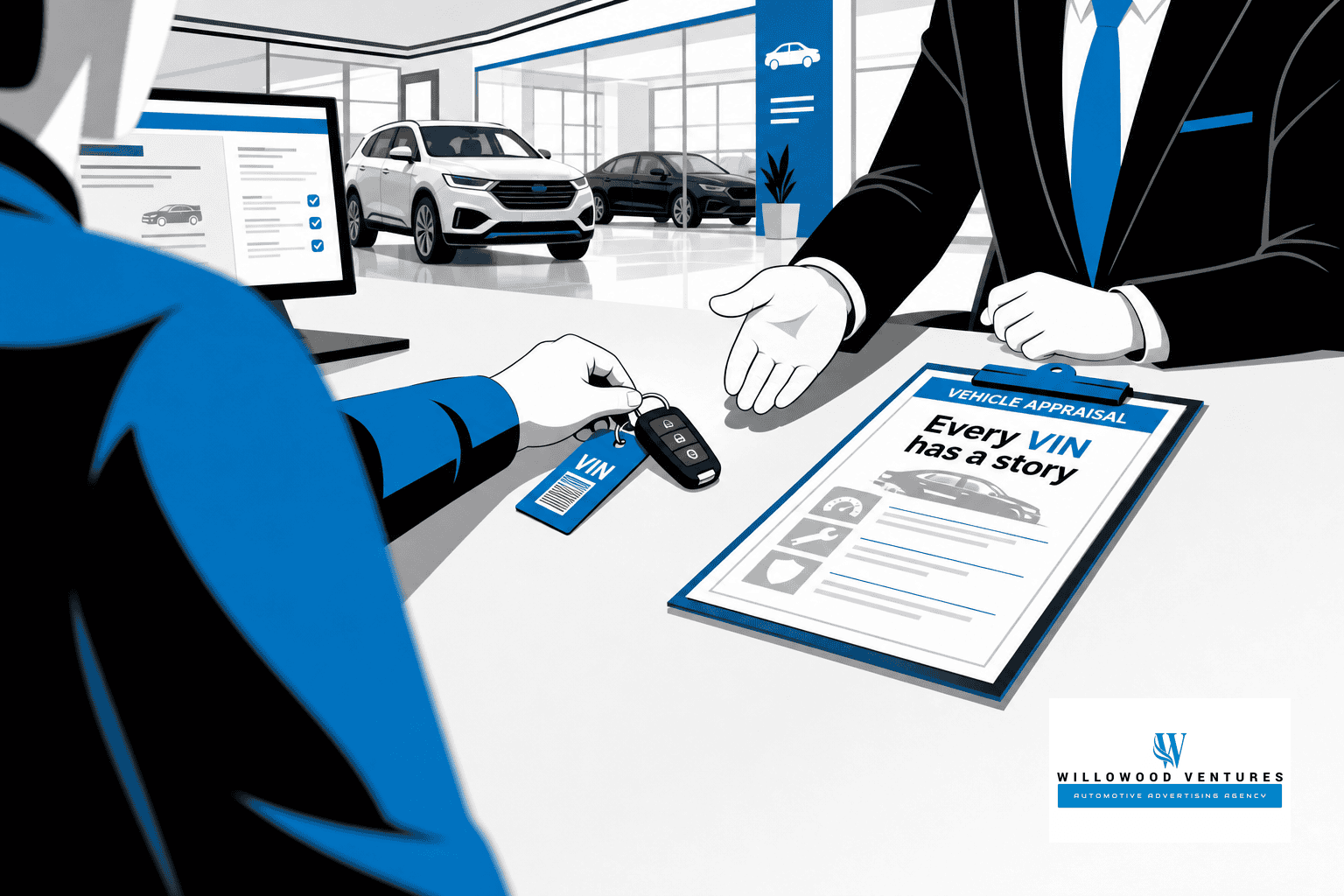
Judge the campaign on the numbers your used car manager cares about:
- Appraisal appointments set and shown
- Trades acquired, retail and wholesale
- Trades that turned into a sale on the same visit
- Front and back gross on those deals
- Acquisition cost per trade compared with your auction cost
For reference, Willowood events average a 79% trade-in rate. O’Fallon Buick GMC acquired 49 retail trade-ins in one event, and South Charlotte Chevrolet acquired 47 retail trade-ins alongside 152 confirmed appointments in 3 days. More store results are on our automotive case studies page.
How Willowood runs trade-focused events
Willowood Ventures builds Facebook Sales Events for 600+ dealer partners and manages $4 million per month in social advertising. A trade-focused event uses 300+ targeting selects to reach in-market owners around your store, 10 to 20 ad creatives per event with daily A/B testing, and our BDC to book and confirm appraisal appointments. Events can launch within 24 hours. You keep all lead and appointment data, track it live in your CRM, and get a matchback report after the event.
The results are why dealers come back: a 90% rebook rate and approximately 800% average ROI. Every agreement includes a written appointment guarantee. If you are comparing vendors, our guide to Facebook sales event companies shows what to ask before you sign.
Trade-in marketing FAQ
What is trade-in marketing for a car dealership?
Trade-in marketing is advertising and follow-up built around the vehicle a customer already owns. Instead of promoting inventory, the store tells owners it wants to buy their vehicle, books an appraisal, and works a replacement deal in the same visit.
Where do most dealership trades come from?
The main sources are the service lane, your past sales and finance customers found through equity mining, conquest owners in your market reached with social ads, buyback events, and staffed or private sale events. Most stores get the best cost per trade from their own service and sales database first.
Is a buyback event the same as trade-in marketing?
A buyback event is one form of trade-in marketing. It packages the offer into a set number of days with extra appraisers and a ready desk. Trade-in marketing also includes ongoing service lane offers, equity mining, mail, text, email and always-on social ads.
How should a dealer measure a trade-in campaign?
Measure appraisal appointments set and shown, trades acquired, trades that turned into a sale on the same visit, front and back gross, and acquisition cost per trade compared with auction. Willowood events average a 79% trade-in rate.
How fast can Willowood launch a trade-focused event?
Willowood events can launch within 24 hours. Each event includes social ad targeting, 10 to 20 ad creatives with daily A/B testing, and a 24/7/365 US-based bilingual BDC that books and confirms appraisal appointments.