Automotive PPC Advertising Without the Wasted Clicks
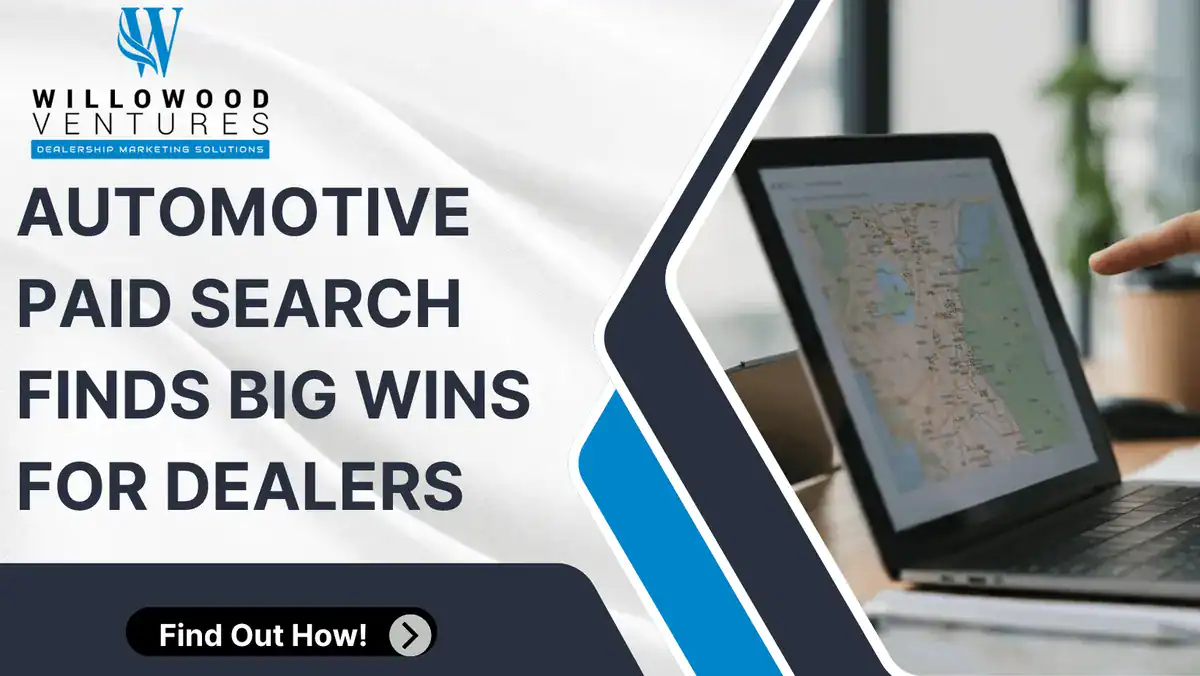
Automotive PPC advertising puts your store at the top of the page when someone searches for a vehicle or a dealer, and you pay each time they click. It is one of the most direct ways to reach an active shopper, and one of the easiest places to spend money on clicks that were never going to buy.
What paid search does well and where it stops
Paid search reaches people at the moment they type what they want. That intent is its great strength. Someone searching for a specific model near your city is far closer to buying than someone scrolling a feed.
Its limit is volume. You can only show ads to people who search, and there are a finite number of those in your market each day. Paid search harvests demand that exists. It does not create new demand. Keep that in mind when a vendor suggests the answer to every slow month is a larger search budget.
Organize campaigns by shopper intent
A tidy account separates searches by what the person wants, because each group deserves a different ad, a different page and a different budget.
- Your store name. People searching for you by name. Inexpensive clicks that protect you from competitors bidding on your name.
- New models. Searches for the makes and models you sell, with local words such as your city or “near me.”
- Used inventory. Searches for used vehicles by model, body style or price range.
- Service and parts. Oil changes, brakes, tires and repairs for your brand. Often overlooked and often profitable.
- Conquest. Searches for competing models. Costlier and lower converting, so fund it last.
Ask your provider to show spend and results for each group separately. A blended report hides which groups carry the account and which drain it.
Cut waste with geography and negatives
Two settings prevent most wasted spend.
Geography. Limit ads to the area where you realistically sell. Check that the location setting targets people who are in your area, not people merely interested in it, or you may pay for clicks from other states.
Negative keywords. These tell the platform which searches not to show your ad for. Ask for the search terms report, which lists what people typed before clicking. You will likely find searches for jobs, recalls, manuals, rental cars, toy models and parts you do not stock. Each one should be added as a negative. Review the report monthly, because new irrelevant terms appear all the time.
Send each click to the right page
A click is wasted if the page does not match the search. Someone who searched for a used truck should land on your used trucks, already filtered. Someone who searched for brake service should land on a brake service page with a way to book. Sending everyone to the homepage forces shoppers to start over, and many leave.
Test your own ads on a phone. Search, click and count how many taps it takes to reach a vehicle and ask a question. Check that the phone number is tappable and that the page loads quickly on cellular data.
Judge campaigns on appointments and sales
Platforms report clicks, impressions and click rate by default. Those describe activity. The numbers a dealer needs are further down:
- Leads. Calls, forms and chats that came from the ads.
- Set appointments. How many of those leads were booked.
- Shows. How many arrived.
- Sold units. Matched back through your CRM.
- Cost per sale. Spend divided by sold units.
Make sure call tracking and form tracking are set up so leads carry the correct source into your CRM. Without that, you are judging by clicks alone. Willowood BDC benchmarks of a 35% set rate, a 65% show rate and a 15% overall closing rate offer a reference for the steps after the lead.
Pair search with demand creation
Because search only reaches active shoppers, pair it with advertising that reaches people before they start looking. Social campaigns on Facebook, Instagram and TikTok put an offer in front of local owners who could trade and have not searched yet. Some respond directly. Others search your store name later, where your inexpensive name campaign catches them.
Willowood Ventures handles the social side for 600+ dealer partners, with events measured on set appointments. Running both and comparing cost per sale side by side tells you where the next dollar should go.
Frequently asked questions
Should we bid on our own dealership name?
Usually yes. It costs little and keeps competitors from appearing above you for your own name.
How much should we spend on paid search?
Fund the groups with an acceptable cost per sale until added spend stops producing added sales. Let results set the number.
Who should own the ad account?
The dealership. Make sure the account is in your name so the history stays with you if you change providers.
See what an event would look like for your store
Willowood Ventures runs Facebook Sales Events for 600+ dealer partners and manages $4 million per month in social advertising. Dealers see approximately 800% average ROI, and 90% of them rebook. Book a demo and we will walk through your market, your inventory and your set appointment target.