
Facebook Advertising Trends for Car Dealers Worth Acting On
The platform changes faster than most stores can keep up with. Rather than chase every update, focus on the Facebook advertising trends for car dealers that change how shoppers respond, and make one practical adjustment for each.
Trend one: conversations are replacing forms
Shoppers are more willing to tap a button and ask a question in Messenger than to fill out a lead form and wait. A conversation feels lower risk, and it lets them ask what they actually want to know: is it still available, what is my trade worth, can I get approved.
What to do: build campaigns that open a message thread, and decide who answers. A messaging ad without a fast, capable person on the other end is worse than no ad. The Willowood BDC answers by Messenger, text and email around the clock and holds a 98.6% lead response rate, because the first few minutes of a conversation decide whether it becomes a visit.
Trend two: the creative does the targeting and automation does the delivery
Detailed interest targeting matters less than it used to. The platform’s delivery system looks at who responds to an ad and finds more people like them. In practice, the ad itself tells the system who to show it to. A video about truck trade values finds truck owners. A video about first-time buyer approval finds first-time buyers.
More of campaign setup is automated as well: placements, budget across ad sets, even variations of creative. Automated chat tools can answer simple questions instantly. None of that replaces judgment or a human who can read a customer and set an appointment.
What to do: stop making one generic ad and narrowing the audience. Make several specific ads, each speaking to one kind of buyer, and let a broad local audience sort itself. Let the system manage placements, and spend your own effort on the offer, the creative and the follow-up. If you use automated replies, make sure a live person takes over quickly.
Trend three: short vertical video leads the feed
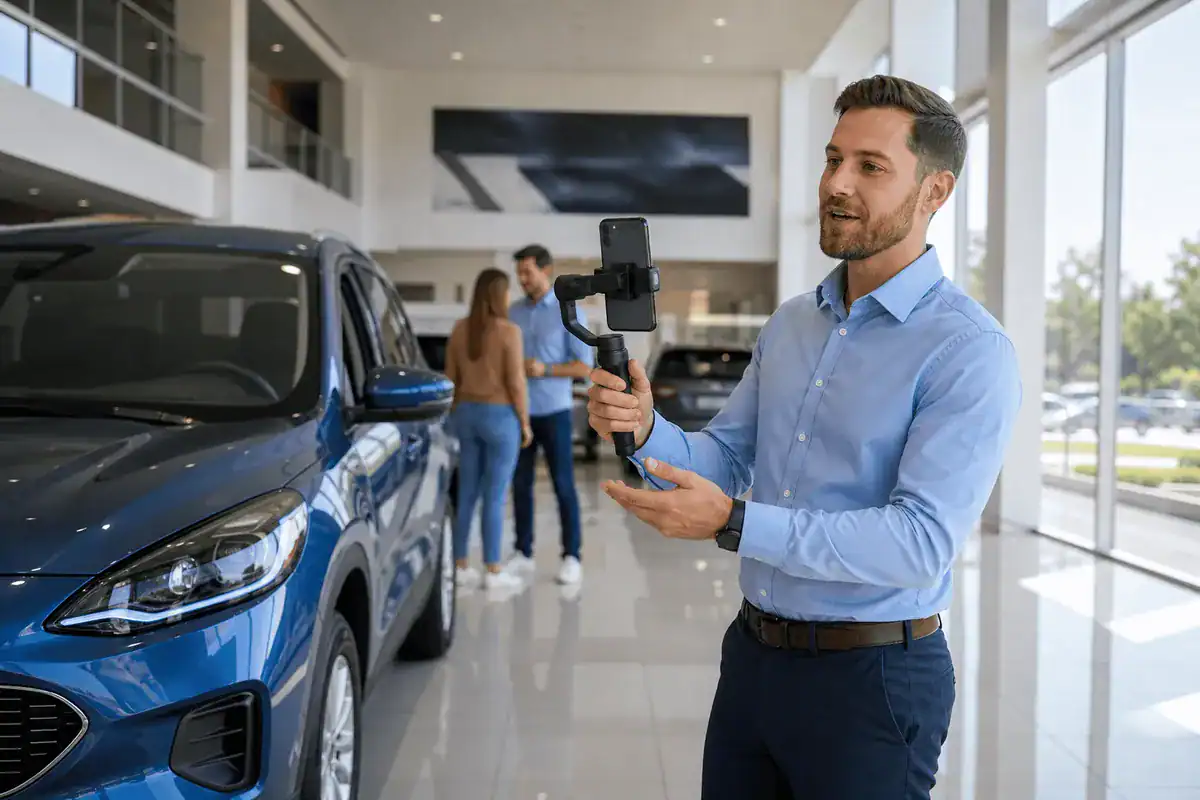
Reels and vertical video get prominent placement, and people have learned to scroll past anything that looks like a commercial. What works looks like it was made by a person: a salesperson holding a phone, standing by a vehicle, talking plainly.
What to do: film three 20-second videos a week on your lot. State the point in the first two seconds, add captions for viewers with sound off, and end with one step, such as “send us a message.”
Trend four: your own data is your edge
Privacy changes have reduced how much the platforms can see about what people do elsewhere. The information you already hold, your sold customers, service customers and unsold leads, has become more valuable as a result.
What to do: upload clean customer lists as custom audiences and refresh them monthly. Use them three ways: to reach past customers with trade-up offers, to build lookalike audiences of people who resemble your buyers, and to exclude recent buyers from offers that no longer apply to them. Handle customer data according to your privacy policy and applicable law, and review your practices with counsel.
Trend five: ad rules around credit are stricter
Ads that involve financing fall under special category rules on Meta’s platforms, which limit certain targeting options such as age and narrow location. Many vehicle ads are affected because they mention payments, credit or approval.
What to do: assume the limits apply to your financing offers, select the correct category when building campaigns, and make sure every payment or credit claim carries the right disclosures. This is general information, not legal advice. Review your advertising with counsel and your compliance contact.
What has not changed
Trends shift how ads are built and delivered. They do not change what makes someone visit a dealership. That still comes down to four things:
- A specific offer with a reason to act now.
- A reply from a real person while the shopper is still interested.
- A set appointment with a date, a time and a name.
- A confirmation that gets them through the door.
Judge every campaign on set appointments, shown appointments and sales, not on reach or clicks. Willowood BDC benchmarks are a 35% set rate, a 65% show rate and a 15% overall closing rate.
Frequently asked questions
Is Facebook still worth it for car dealers?
Yes, when it is used to start conversations with local shoppers and someone answers them quickly. It reaches people who are not yet searching, which search ads cannot do.
Should we advertise on Instagram as well?
Usually yes. The same campaign can run on both, and letting the system place ads where they perform tends to lower cost.
How much should we change at once?
One thing per month. Start with messaging ads and response time, since those affect results fastest.
See what an event would look like for your store
Willowood Ventures runs Facebook Sales Events for 600+ dealer partners and manages $4 million per month in social advertising. Dealers see approximately 800% average ROI, and 90% of them rebook. Book a demo and we will walk through your market, your inventory and your set appointment target.