
Google Vehicle Ads: Put Your Inventory in Search
Here's a number that should get your attention: 95% of car buyers now conduct online research before they ever set foot in a showroom. And 79% of them use a search engine to do it. That means if your dealership isn't showing up with actual inventory when someone searches "2026 Toyota Camry near me," you're handing those buyers to the dealer down the road who is.
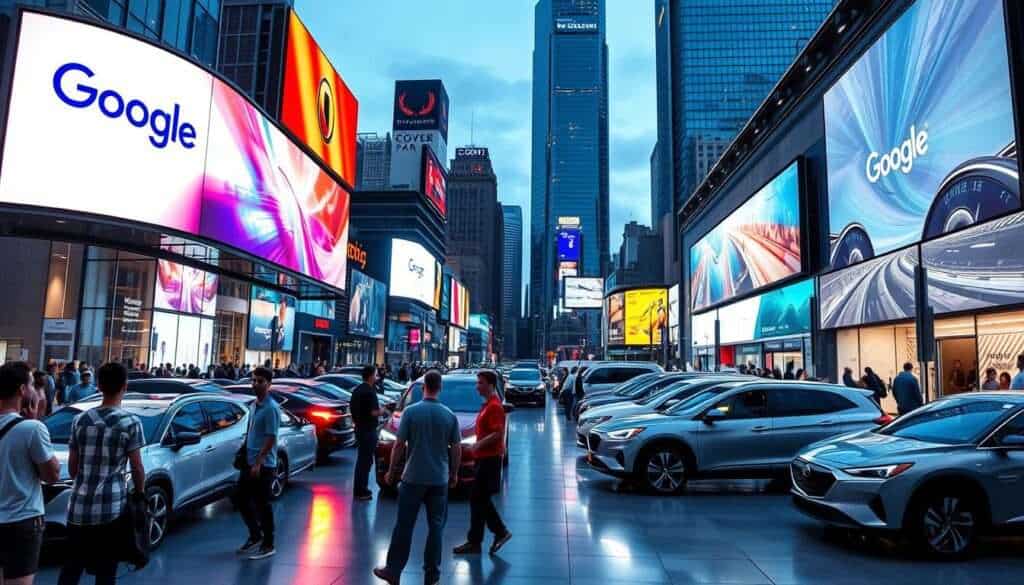
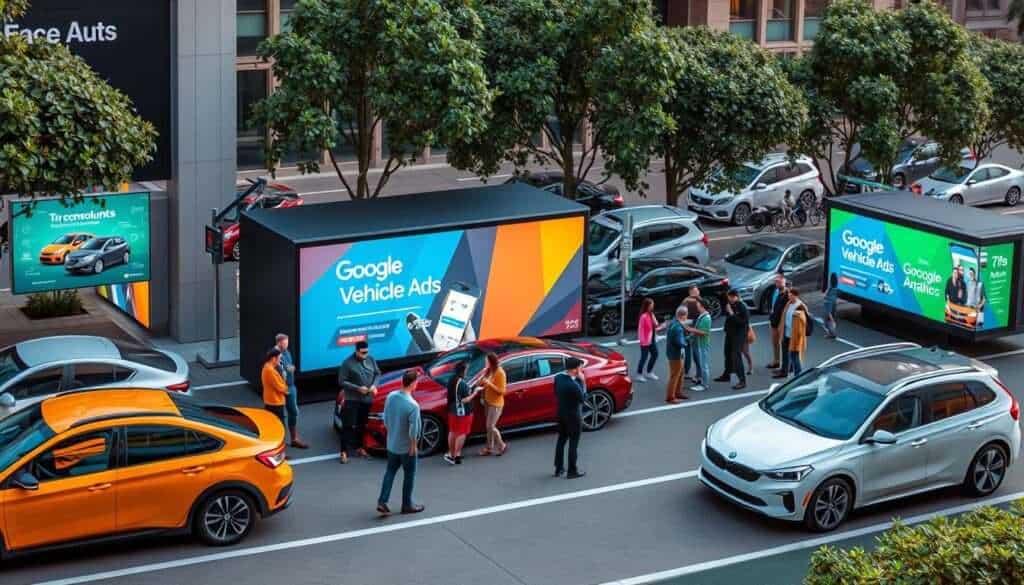
Google Vehicle Ads have completely changed how dealerships connect with in-market shoppers. Unlike traditional text ads where you're writing clever headlines and hoping for the best, Vehicle Ads pull directly from your inventory feed to display real photos, pricing, mileage, and location right at the top of Google Search results. Think of them as Shopping ads, but for cars. The buyer sees the exact vehicle they're looking for before they ever click, which means the traffic you get is dramatically more qualified.
And the platform has evolved significantly since it first launched. In 2025 and into 2026, Google rolled out major updates to Performance Max (the campaign type that powers Vehicle Ads), including campaign-level negative keywords, full channel performance reporting, Waze ads integration for store visits, and new Call Assets that let shoppers tap to call your dealership directly from the ad. The "black box" reputation that Performance Max carried for years is finally giving way to real transparency and control.
At Willowood Ventures, we've been running Google Vehicle Ads alongside our Facebook Sales Events, BDC services, and targeted email campaigns for dealerships across the country. We know what's working right now, not six months ago, because we're in the accounts every day. This guide breaks down everything you need to make Google Vehicle Ads a serious revenue driver for your store in 2026.
What You'll Learn in This Guide
- How Google Vehicle Ads work and why they outperform standard search ads by 67% on CPC
- The 2025-2026 Performance Max updates that give you more control than ever before
- Real benchmarks: 8.29% CTR, 7.76% conversion rate, and $25-45 target cost per lead
- First-party data and remarketing strategies that top-performing dealers are using right now
- How to integrate Vehicle Ads with Facebook, email, and BDC for a complete sales funnel
- New Call Assets, Waze inventory, and AI Max features rolling out in 2026
How Google Vehicle Ads Actually Work (And Why They're Different)
If you've been running standard Google Search campaigns for your dealership, you already know the drill: pick keywords, write ad copy, send people to a landing page, and hope they fill out a form. It works, but it's clunky. You're spending money on clicks from people who might not even be in the market for what you have on the lot.
Google Vehicle Ads flip that entire model. Instead of keyword-based campaigns, you upload your vehicle inventory feed through Google Merchant Center. Google's AI then automatically generates visually rich ads showing the actual vehicles you have in stock, complete with photos, pricing, mileage, condition (new/used/CPO), and your dealership's location. When someone searches for a specific make, model, or even "used SUV under $30,000 near me," Google matches their query to the most relevant vehicles in your feed.
The result? Only genuinely interested buyers click. They've already seen the price, the photo, and the mileage before they tap. That's why Vehicle Listing Ads achieve 67% lower cost-per-click compared to standard search ads, according to recent performance data. You're not paying for tire-kickers, you're paying for people who are ready to have a conversation about a specific car. This is a fundamentally different approach to digital marketing for car dealers compared to traditional PPC.
These ads show up across Google Search, the Display Network, YouTube, Google Maps, and Gmail, all from a single Performance Max campaign. That cross-platform reach is something you simply can't replicate with traditional search campaigns alone. And with the 2025 addition of Waze ads inventory for store-visit campaigns, your vehicles can now appear to 150+ million active Waze drivers who are literally on the road near your dealership.
"Dealers in Google's beta study experienced a 25% increase in conversions and a 15% return on investment on average by incorporating Google Vehicle Ads into their strategy."
Google Ads Internal Data
What Changed in 2025-2026: The Updates That Actually Matter
If you tried Performance Max a couple of years ago and gave up because you couldn't control where your money was going, it's time to take another look. Google made some substantial changes throughout 2025 that address the biggest complaints advertisers had, and more features are rolling out in early 2026.
Campaign-Level Negative Keywords (Finally)
This was the number one request from advertisers since Performance Max launched in 2021, and Google finally delivered in January 2025. You can now add negative keywords at the campaign level, which means you can stop your Vehicle Ads from showing up for searches like "free cars," "car problems," or "BMW X5 spare parts." One sporting goods retailer reported an immediate 15% cost reduction just from adding "free" and "used" as negatives. For dealerships, this is huge. You can exclude service-related queries, competitor names you don't want to bid on, and all the "problems with" and "recall" type searches that waste budget.
Channel Performance Reporting
Starting in November 2025, every Performance Max campaign now shows exactly where your ads are running and which channels drive conversions: YouTube, Display, Search, Discover, Gmail, Maps, and search partners. Before this update, you were essentially flying blind. Now you can see if YouTube is eating 40% of your budget with no conversions, or if Maps and Search are driving all your actual leads. This data completely changes how you optimize.
Call Assets for Vehicle Ads
Added in January 2026, this is a big deal for automotive. Call Assets display your dealership's phone number alongside your Vehicle Ads, so shoppers can call you with a single tap on mobile. Given that phone leads set appointments at a 74% rate compared to 40% for internet leads (according to Foureyes data), this feature directly attacks one of the highest-converting channels in automotive retail. Google is also sunsetting Call-Only Ads entirely, with creation disabled as of February 2026 and full removal by February 2027, so Call Assets within your Vehicle Ads campaigns become the primary way to drive phone calls.
AI Max for Search and Smart Bidding Exploration
Google's new AI Max suite uses broad match, dynamic creative, and automated landing page selection to find conversions you'd miss with manual keyword targeting. Campaigns using AI Max with Smart Bidding Exploration saw an average 18% increase in unique search query categories with conversions and a 19% increase in overall conversions. For dealerships, this means reaching shoppers who search in ways you'd never think to bid on, like "best family car for tall people" or "what SUV has the most cargo space under 40k."
| 2025-2026 Update | What It Does | Why Dealers Should Care |
|---|---|---|
| Campaign-Level Negative Keywords | Block irrelevant search queries at the campaign level | Stop wasting budget on non-buyer searches, immediate cost savings |
| Channel Performance Reporting | See conversions broken down by YouTube, Search, Display, Maps, etc. | Know exactly where your ad dollars are producing results |
| Waze Ads Integration | Vehicle Ads appear to 150M+ Waze drivers near your store | Capture shoppers who are physically on the road near your dealership |
| Call Assets | Phone number displayed directly on Vehicle Ads | Phone leads convert at nearly 2x the rate of form fills |
| AI Max for Search | AI-driven broad match, creative, and landing page optimization | 19% more conversions by finding search queries you'd never target manually |
| Brand Guidelines | Control colors, fonts, tone, and off-limits phrases in auto-generated copy | Your ads stay on-brand even when Google's AI writes the copy |
Vehicle Ad Targeting Strategies That Actually Move Metal
Running Google Vehicle Ads without a targeting strategy is like putting your best salesperson in an empty showroom. The product is great, but nobody's walking through the door. Here's how the dealerships we work with at Willowood Ventures are getting the most out of their campaigns.
First-Party Data Is Your Competitive Advantage
With third-party cookies continuing to erode and privacy regulations tightening, the data you collect directly from your customers is more valuable than ever. Your CRM, DMS, service records, and website behavior data are gold mines for targeting. Google's Customer Match feature lets you upload your customer lists, and Performance Max's AI finds lookalike audiences, people who behave like your best buyers but haven't visited your dealership yet.
The dealerships seeing the best results are segmenting their customer data by purchase history, service frequency, lease expiration dates, and equity positions. When you feed that segmented data into Google's bidding algorithms, the system gets dramatically smarter about who to show your ads to and how much to bid. We've seen dealerships achieve a 63% increase in digital advertising ROI by building campaigns around first-party data rather than relying solely on Google's default audience signals. If you're struggling to generate enough quality prospects, our leads for car dealerships programs can supplement your pipeline while your Vehicle Ads ramp up.
Remarketing: Your Highest-ROI Play
Someone visited your VDP page for a 2025 Honda Civic, spent two minutes looking at the photos, and left. That person is infinitely more likely to buy than a cold search prospect. Remarketing campaigns re-engage these warm shoppers with tailored messaging that speaks directly to where they are in the buying process.
The key is segmentation. Don't lump everyone into one remarketing audience. Break them out by behavior: people who viewed specific vehicles, people who started but didn't complete a credit application, people who visited your financing page, people who looked at trade-in values. Each group gets different messaging.
| Remarketing Audience | Ad Message Approach | Expected Conversion Lift |
|---|---|---|
| Viewed a specific VDP | "The [Vehicle] you checked out is still available. Schedule your test drive." | Up to 200% |
| Started credit application | "Get pre-approved in minutes. Flexible financing options available." | Up to 175% |
| Visited trade-in page | "Your trade could be worth more than you think. Get an instant offer." | Up to 150% |
| Browsed inventory 3+ times | "Ready to take the next step? Our team is here to help." | Up to 125% |
When you combine first-party data targeting with remarketing inside a Performance Max campaign that's also running Vehicle Ads, you create a layered funnel where Google's AI can optimize bids differently for each audience segment. That's when the numbers start to get really interesting.
Creating Vehicle Ad Creative That Converts
Your inventory feed does most of the heavy lifting with Google Vehicle Ads, but that doesn't mean creative doesn't matter. In fact, the quality of your feed data and the supplemental assets you provide directly impact whether your ads win the auction and whether shoppers click. Great automotive creative ads follow the same principle whether they're on Google, Facebook, or email: show the right vehicle to the right person with a reason to act now.
Your Photos Are Your Showroom Floor
In a visual ad format, you're competing directly against other dealerships showing the same make and model. Dark, poorly framed, or unflattering photos put you at an immediate disadvantage. Here's what to prioritize: use high-resolution images (max 5120 KB file size), shoot in multiple aspect ratios (landscape 1200x628, square 1200x1200, and portrait 900x1600), and provide 5 to 10 images per vehicle when possible. Don't overlay logos on images or add text that mimics buttons. Google will reject those.
If you have the capability to produce 360-degree vehicle walkaround videos, even better. Short-form video assets within your Performance Max asset groups give Google more creative options, and the data consistently shows that video-enriched campaigns outperform static-only setups. One agency reported a 31% increase in total ROI after adding product-focused videos to campaigns that previously had none.
Your Feed Data Is Your Ad Copy
With Vehicle Ads, the "copy" is really your inventory data. Accurate pricing that matches your website, correct mileage, up-to-date availability, and proper categorization of new vs. used vs. CPO all directly affect ad relevance and trust. Update your feed daily, or better yet, in real time. Remove sold vehicles immediately. Pricing discrepancies between your feed and your website are one of the fastest ways to get disapproved in Google Merchant Center.
For the supplemental text assets in your Performance Max campaign (headlines, descriptions, and long headlines), focus on what makes your dealership different: financing options, trade-in programs, delivery, warranty, or customer experience. Skip the generic "best prices in town" fluff and get specific. "0% APR Available on Select Models" or "Same-Day Delivery Within 50 Miles" gives shoppers a reason to choose you. These same principles apply whether you're running new car advertisements or promoting your used car advertising campaigns.
Optimizing Your Google Vehicle Ads Campaign for 2026
Getting your Vehicle Ads campaign set up is the easy part. Getting it to perform at the level where it's consistently delivering $25-45 cost per lead takes ongoing optimization and a willingness to let the data guide your decisions, not your gut.
Budget and Bidding
Google recommends local dealerships budget at least $100 per day ($3,000/month) for Vehicle Ads. Spending less than $1,000 monthly on vehicle listing ads typically doesn't give the algorithm enough data to optimize effectively. Performance Max needs at least 30 conversions in the prior 30 days to really start learning, so if your budget is too thin, you'll never get past the learning phase.
For bidding, Smart Bidding strategies like Maximize Conversion Value with Target ROI or Maximize Conversions are your best options. These AI-powered bidding approaches adjust your bids in real time based on signals like device, location, time of day, and audience segment. Smart Bidding Exploration, a 2025 addition, lets you use flexible ROI targets to explore new traffic, and campaigns using it saw an 18% increase in unique search categories that drove conversions.
Campaign Structure
Split your campaigns by meaningful attributes: new vs. used vs. CPO, by make, or by price range. This gives you budget control and lets you set different ROI targets for different segments. A $60,000 new truck and a $15,000 used sedan have very different margins, and your bidding should reflect that.
Create asset groups within each campaign around a common theme or audience. Include store visits in your conversion goals for omnichannel bidding, so the algorithm optimizes for both online leads and people who actually walk through your door. And allow at least 2 weeks for a new Performance Max campaign to gather sufficient data before making major changes.
Key Benchmarks to Target in 2026
| Metric | Industry Average | Top Performers |
|---|---|---|
| Click-Through Rate (Search) | 8.29% | 8.5%+ |
| Cost Per Click (Search) | $2.41 - $2.85 | Under $2.00 |
| Conversion Rate (VLAs) | 8-12% | 15-20% |
| Cost Per Lead (Search) | $38 - $46 | Under $30 |
| Store Visit Rate | 10-15% | 15%+ |
| Phone Lead Appointment Rate | 74% | 80%+ |
| Internet Lead Appointment Rate | 40% | 50%+ |
Measuring What Matters: Beyond Vanity Metrics
Too many dealerships judge their Google Vehicle Ads by the wrong numbers. High impressions and cheap clicks feel good in a report, but they don't sell cars. The dealers who win with this channel are measuring the entire funnel from click to sold unit, and they're feeding that data back into Google to make the algorithm smarter over time.
Track these metrics religiously: impressions, clicks, CTR, CPC, conversions (form fills, phone calls, chat sessions, store visits), conversion rate, and cost per acquisition. But don't stop there. The real magic happens when you connect your CRM and DMS to your Google Ads account through offline conversion tracking. When Google's algorithm knows which ad clicks actually resulted in sold vehicles, not just form submissions, it starts optimizing for buyers instead of tire-kickers.
Phone calls still dominate automotive conversions. Industry data shows approximately 67% of conversions come from phone calls, 28% from lead forms, and 5% from chat or text. If you're not tracking calls with proper attribution (using call tracking numbers and call extensions), you're missing two-thirds of your conversion data, and your bidding algorithm is flying with one wing.
"The cost per sales opportunity in Google SEM campaigns for car dealers ranges between $100 to $300 when you factor in the full pipeline. That number drops dramatically when you feed offline conversion data back into the system and let Smart Bidding optimize for actual sales, not just leads."
Integrating Google Vehicle Ads Into Your Full Marketing Mix
Google Vehicle Ads work best when they're not working alone. The dealerships getting the highest ROI from this channel are running it alongside Facebook ads for car dealers, targeted email campaigns, and a trained BDC team that knows how to convert the leads these channels generate.
Here's how the pieces fit together: Google Vehicle Ads capture high-intent buyers who are actively searching for specific vehicles. Facebook and Instagram dynamic ads generate awareness and retarget people who saw your Vehicle Ads but didn't click, or who visited your VDPs without converting. Email campaigns nurture leads over the longer buying cycle with personalized inventory recommendations and financing offers. And your BDC team (or ours at Willowood Ventures) works every lead with speed and persistence to set appointments.
The data backs this up. Dealerships that pair Google Vehicle Ads with traditional search campaigns see a 25% average increase in conversions. Asbury Automotive Group reported a 35% increase in total conversions using Vehicle Ads as part of their broader strategy, and Ken Garff Automotive Group saw a 55% boost. The compounding effect of consistent cross-channel messaging is real.
| Channel | Role in the Funnel | Strength |
|---|---|---|
| Google Vehicle Ads | Bottom-funnel, high-intent capture | Shows real inventory to active buyers, highest conversion intent |
| Google Search Ads | Mid-to-bottom funnel | Broader keyword coverage, flexible messaging |
| Facebook/Instagram Ads | Top-to-mid funnel, retargeting | Awareness generation, dynamic retargeting of site visitors |
| Email Marketing | Lead nurturing | Personalized follow-up, lease/equity campaigns, 39.5% avg open rate in automotive |
| BDC / Appointment Setting | Conversion | Human follow-up, 74% appointment rate on phone leads |
At Willowood Ventures, we build these integrated dealer marketing strategies for 300+ dealership partners. Our Facebook Sales Events alone generate 300+ leads and 150+ appointments per event, and when you layer Google Vehicle Ads on top of that, the results compound.
Common Challenges and How to Solve Them
Running Google Vehicle Ads isn't without friction. Here are the issues we see most often and how to handle them.
Inventory feed errors are the most common headache. Out of the most frequent Google Merchant Center disapprovals, seven are feed-related: invalid country codes, pricing errors, shipping issues, tax detail problems, missing MPNs or GTINs, broken landing page URLs, and low-quality images. The fix is simple but requires discipline. Audit your feed weekly, ensure pricing matches your website exactly, remove sold vehicles the same day, and use high-quality photos that meet Google's specs.
The "learning phase" frustration gets a lot of dealers. Performance Max needs conversion data to optimize, and new campaigns often underperform for the first 2-3 weeks while the algorithm learns. Resist the urge to make constant changes during this period. Set it up correctly from the start, give it adequate budget (at least $100/day), and let the machine learn. Expect 2-3 weeks for initial results and 60-90 days for full optimization.
Budget bleed to irrelevant channels was a real problem before channel reporting rolled out. Now you can see if Display or YouTube is eating your budget without converting. If a channel consistently underperforms, adjust your asset groups to favor the creative types that work on converting channels (typically Search and Maps for automotive).
Privacy compliance is increasingly important as regulations evolve. Prioritize first-party data collection, implement proper consent management on your website, and stay current with both federal and state privacy requirements. Building your marketing strategy around data you own, rather than third-party audiences, future-proofs your campaigns against whatever regulatory changes come next.
What's Coming Next: 2026 Trends to Watch
The Google Ads platform is evolving faster than it has in years, and dealers who stay ahead of these trends will have a real competitive advantage.
AI Mode and AI Overviews are changing how ads appear in search results. Google expanded ads within AI Overviews from mobile-only to desktop and multiple global markets throughout 2025. As more searches get AI-generated summaries, your Vehicle Ads need to be eligible for these new placements. Running Performance Max with strong vehicle feeds and proper conversion tracking is the best way to ensure your inventory appears wherever Google's AI surfaces results.
The Power Pack model is Google's new recommended campaign structure, replacing the old "Power Pair" of Search + Performance Max. It adds Demand Gen as a third campaign type: Demand Gen creates awareness, AI Max captures search intent, and Performance Max orchestrates full-funnel performance. Whether this structure truly outperforms the old approach is still being debated, but it's worth testing alongside your current setup.
Video is no longer optional. Short-form vehicle walkaround videos, customer testimonials, and dealership brand spots are becoming essential assets within Performance Max. Dealers who invest in video creative for their campaigns are seeing measurably better results than those running static images alone.
Offline conversion integration is becoming table stakes. The dealerships winning with Google Ads in 2026 aren't just tracking leads. They're syncing CRM data back to Google so the algorithm knows which clicks resulted in sold units. This creates a feedback loop where Google optimizes for buyers, not just form-fillers, and it's the single most impactful optimization most dealers haven't implemented yet.
Staffed events are going hybrid. Smart dealerships are combining digital advertising with in-person staffed sales events. Running Google Vehicle Ads and Facebook campaigns that drive traffic to a specific weekend event creates urgency and compresses the buying timeline. The digital ads generate the leads, the event creates the environment to close them.
Ready to Sell More Cars with Google Vehicle Ads?
Willowood Ventures helps dealerships nationwide generate high-quality leads, set more appointments, and move more units. Our team manages Google Vehicle Ads, Facebook Sales Events, targeted email campaigns, and 24/7 BDC services with set appointment targets.
Book Your Strategy Session Or call us directly: 843-310-4108Why Dealerships Partner with Willowood Ventures
We're not a generic digital agency that also happens to do some automotive work. Willowood Ventures was founded by a former dealer principal with 20+ years in the business. We understand the difference between a lead and a sold unit, between a marketing report that looks good and one that actually reflects what happened on the sales floor.
Our approach combines Google Vehicle Ads with the channels and services that turn clicks into customers: Facebook Sales Events that generate 300+ leads per event, targeted email campaigns built on dealership CRM data, and a 24/7 US-based BDC team that works every lead with speed and professionalism. We guarantee appointment minimums of 50-250+ depending on your package, because we're confident in what our system delivers.
With 300+ dealership partners across the country, we've seen what works across every brand, market size, and competitive situation. Our clients have achieved ROI as high as 42:1 on our programs, and case studies like O'Fallon Buick GMC ($297,688 in gross profit and 62 units sold in 5 days) show the kind of results that are possible when the right strategy meets the right execution.
Contact us at 843-310-4108 or visit willowoodventures.com to learn how we can help your store dominate with Google Vehicle Ads and our full suite of dealership marketing services.
Frequently Asked Questions About Google Vehicle Ads
Google Vehicle Ads are inventory-based advertisements that automatically display your dealership's actual vehicles (with photos, pricing, mileage, and location) directly in Google Search results. They work through Performance Max campaigns connected to your vehicle inventory feed in Google Merchant Center. When a shopper searches for a specific make, model, or type of vehicle, Google's AI matches their query to the most relevant vehicles in your feed. Unlike traditional text ads, shoppers see the actual car before they click, which means the traffic you receive is significantly more qualified. Vehicle Ads appear across Google Search, Display Network, YouTube, Google Maps, Gmail, and as of late 2025, Waze.
In 2026, well-optimized Google Vehicle Ads campaigns typically achieve a cost per lead between $25 and $45, though this varies by market, competition level, and campaign optimization. The average cost per click for automotive search ads is approximately $2.41 to $2.85, with Vehicle Listing Ads achieving 67% lower CPC compared to standard search ads. Google recommends a minimum daily budget of $100 (approximately $3,000 per month) for local dealerships. Top-performing dealerships that implement offline conversion tracking and first-party data strategies can push cost per acquisition well below $30.
The main difference is that Google Vehicle Ads are inventory-fed and visual, while standard Search Ads are keyword-driven and text-based. Vehicle Ads automatically pull from your dealership's inventory feed to show actual vehicle photos, pricing, mileage, and condition directly in search results. Standard Search Ads require you to write ad copy, select keywords, and direct users to a landing page. Vehicle Ads achieve 67% lower cost-per-click and 48% more conversions when using Performance Max with vehicle feeds. However, they work best when paired together, with dealerships seeing an average 25% increase in conversions running both.
The most significant updates include Call Assets for Vehicle Ads (January 2026), letting shoppers call directly from the ad. Campaign-level negative keywords (January 2025) to block irrelevant queries. Full channel performance reporting (November 2025) showing where your budget goes across Search, YouTube, Display, Maps, and Gmail. Waze ads integration reaching 150+ million active drivers. AI Max for Search with Smart Bidding Exploration delivering 19% more conversions. Google is also sunsetting Call-Only Ads (creation disabled February 2026, full sunset February 2027), making Call Assets within Performance Max the primary phone-focused format.
Setting up Google Vehicle Ads requires several steps: create and verify a Google Merchant Center account, prepare your vehicle inventory feed with required attributes (make, model, year, price, mileage, condition, VIN, images, location), upload the feed and resolve any disapprovals, then create a Performance Max campaign with vehicle feed enabled. Set your conversion goals (purchases, contacts, store visits, lead forms), configure your bidding strategy (Maximize Conversions or Target ROI), and build asset groups with supplemental headlines, descriptions, images, and videos. Update your feed daily and allow at least 2 weeks for the campaign learning period.
Google Vehicle Listing Ads typically achieve conversion rates between 8% and 12% for average performers, with top-performing dealerships reaching 15% to 20%. Performance Max automotive campaigns demonstrate an average 15.69% conversion rate. The gap between average and top performers comes down to feed quality, proper conversion tracking (including phone calls and store visits), first-party data usage, and ongoing optimization. Dealerships that implement offline conversion tracking and feed sales data back into Google consistently achieve higher conversion rates over time.
Yes, Google Vehicle Ads support new, used, and certified pre-owned (CPO) vehicles. Best practice is to split your campaigns by condition type because each has different margins, buyer behaviors, and competitive dynamics. This allows you to set different budgets, bidding strategies, and ROI targets for each segment. Note that Vehicle Ads are restricted to non-commercial passenger vehicles sold by established dealerships. Auto brokers, private sellers, and individuals are not eligible, and you cannot advertise parts, accessories, or services through Vehicle Ads.
The vehicle inventory feed is the single most important factor in Google Vehicle Ads performance. Unlike standard search ads where you write custom copy, Vehicle Ads are generated entirely from your feed data. An optimized feed includes accurate pricing that matches your website, correct mileage, high-quality photos (minimum 800x600 pixels, recommended 1200x628 for landscape), proper vehicle categorization (new/used/CPO), valid VINs, up-to-date availability, and complete attribute data. Feed errors are the leading cause of disapprovals in Google Merchant Center. Update your feed daily or in real time, remove sold vehicles immediately, and audit for common errors like pricing mismatches, invalid images, and missing required fields.
Yes, running Google Vehicle Ads alongside Facebook ads is one of the most effective cross-channel strategies for dealerships. These platforms complement each other because they capture buyers at different stages. Google Vehicle Ads intercept high-intent shoppers who are actively searching for specific vehicles, making them a bottom-funnel conversion tool. Facebook and Instagram ads excel at generating awareness, reaching in-market audiences based on behavioral signals, and retargeting people who visited your website without converting. Dealerships that pair Vehicle Ads with search campaigns alone see a 25% increase in conversions, and adding Facebook retargeting on top creates an additional lift by re-engaging prospects across platforms.
Negative keywords are search terms you tell Google not to show your Vehicle Ads for. They were added to Performance Max campaigns in January 2025 and are critical for preventing wasted ad spend. Without negative keywords, your Vehicle Ads can appear for irrelevant searches like "free cars," "car problems," "vehicle recalls," or "car repair near me," which attract non-buyers who will never convert. For dealerships, recommended negative keywords include service and repair terms, recall-related queries, parts searches, and generic terms like "free" or "cheap." One advertiser reported an immediate 15% cost reduction after adding negative keywords. Important note: campaign-level negative keywords in Performance Max only block Search and Shopping inventory, not Display, YouTube, Gmail, or Discover. For those channels, use placement exclusions and topic exclusions instead.
A broader PPC strategy for car dealerships connects those inventory campaigns with conversion tracking and lead handling so managers can evaluate results beyond traffic.