Car Advertising Firms: How Paid Car Wraps Work
Some drivers turn their daily commute into passive income through car wrap advertising. Dealerships have their own version of the same idea, but the goals, the metrics, and the money look nothing alike. This guide covers both worlds honestly.
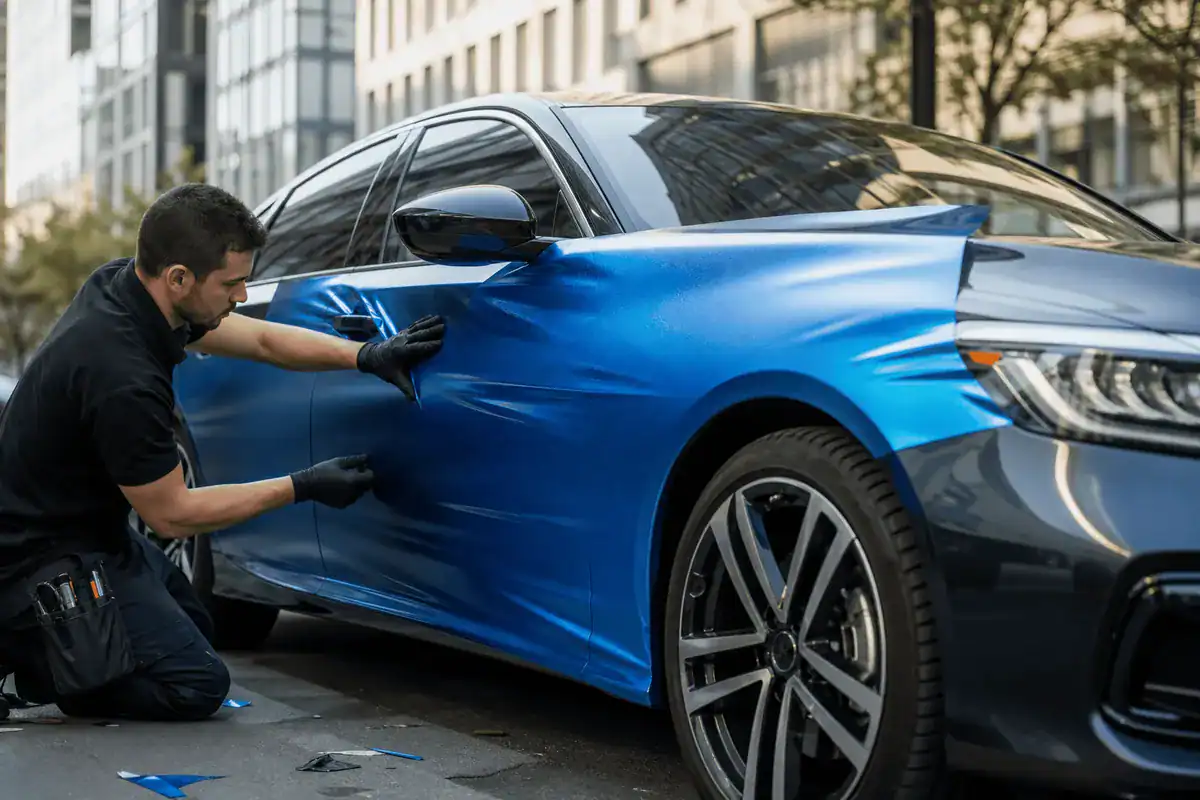
Not every car advertising program is built the same. A daily commuter wrapping door panels for grocery money operates in a completely different universe from a dealership pushing 80 units in a weekend tent sale. Lumping them together is where most guides go wrong. This one won’t.
How Car Wrap Advertising Works for Drivers
The basic model is simple. A company installs graphics on your vehicle, you keep driving your normal routes, and you earn money when a campaign matches your market and mileage profile. No route changes required. No upfront fees. If a program asks for fees, banking workarounds, or advance purchases, walk away immediately. That is a scam, full stop.
Campaign availability is uneven. Drivers in dense commuter markets get matched faster. Drivers in smaller cities may sit in a queue for months. Treat any earnings from these programs as supplemental income, not a reliable monthly paycheck.
Carvertise
Carvertise has been running since 2012. In a category full of fake check schemes and vague promises, that track record matters. The process is managed from start to finish, including installation and removal. You sign up, wait for a campaign match, and drive your existing routes.
- Best fit: Regular commuters in active metro areas
- What you get: A fully managed wrap campaign with no out-of-pocket costs
- Main drawback: No guaranteed timeline for campaign matching
- Smart approach: Budget for irregular income, not a fixed monthly amount
One practical note most drivers overlook: wrap care matters. Poor maintenance shortens graphic life and creates complications at removal. Ask about wrap-safe cleaning products before the install goes on your paint.
Wrapify
Wrapify runs an app-first model. Install the app, let it track your trips, and campaigns get matched based on where you actually drive. For drivers with consistent routines, that structure is cleaner than older programs that guess at route value. For anyone uncomfortable with location tracking, that trade-off is obvious and worth thinking through before signing up.
The bigger differentiator is coverage flexibility. Full wraps pay the most. Partial formats let drivers earn without turning the whole vehicle into a billboard. That range of options makes Wrapify easier to evaluate than programs pushing everyone toward the same commitment level.
- Best fit: Drivers with repeatable routes through advertiser-valued areas
- Big advantage: Multiple wrap coverage options, not just full-car campaigns
- Main friction: App tracking and campaign availability both affect earning potential
- Ownership issue: Factor in cleaning discipline and removal timing before committing
Forcing extra miles to chase a campaign rarely pencils out. Drive your normal life and let the match come to you.
What Dealerships Actually Need From Vehicle Advertising
Consumer-facing car wrap programs generate local impressions. Impressions are not appointments, and appointments are not sold units. A dealership trying to fill a tent sale or clear aged used inventory by month-end needs tighter timing, cleaner attribution, and traffic goals tied to a specific promotion. Passive vehicle exposure is a different tool entirely.
The dealerships moving real volume run structured campaigns with professional BDC follow-up, targeted social ads, and defined show rate goals. Willowood Ventures manages over $4 million per month in social advertising managed for automotive clients and runs a 24/7 US-based BDC operation ET. Those two elements together create a system that a wrapped loaner car simply cannot replicate.
The numbers from recent campaigns make the contrast clear. Salt Lake City GMC moved 89 units for $421,593 in revenue. Oklahoma City CDJR put 83 units out the door for $398,762. Little Rock VW sold 64 units for $294,821. These are closed deals with verifiable revenue behind them, not estimated impressions from a passing vehicle.
How to Evaluate Any Car Advertising Program
Whether you are a driver researching side income or a dealership operator building a marketing plan, the same core filters apply.
- Transparency: Can the company show you what a typical campaign pays and what the eligibility requirements actually are? Vague numbers are a signal to keep looking.
- No upfront fees: Legitimate wrap programs do not charge drivers for access. Any fee requirement is a red flag.
- Attribution: For dealerships, the question is whether spend can be tied to appointments, show rates, and sold units. Broad impressions matter far less than measurable showroom traffic.
- Market fit: Driver-wrap programs need geographic density to work. Dealership campaigns need the right audience targeting and a consistent follow-up cadence to convert.
Where Willowood Ventures Fits In
Willowood Ventures works with 600+ dealer partners across the country and has built its entire process around those exact filters. The agency holds a Meta Certified Partnership, which directly shapes how campaigns get built, targeted, and optimized. Packages start at Demo-Call Pricing.
If you are comparing passive vehicle advertising against a structured sales event campaign, the difference in measurable output is not subtle. Reach the team directly at 843-310-4108 or review what a purpose-built automotive campaign looks like before committing budget to any single channel.
Make Willowood Ventures a preferred source on Google
One tap tells Google you want our dealership marketing coverage surfaced first. You will see Willowood Ventures more often in Top Stories, AI Overviews, and AI Mode when you search anything about selling more cars. It is free, it takes a second, and it brings you right back to this page.
Button not loading? Add willowoodventures.com as a preferred source here.
Frequently Asked Questions
Common questions about paid car wrap advertising for drivers and dealerships.
Ready to Transform Your Dealership’s Success?
Partner with Willowood Ventures, America’s #1 automotive marketing agency, and start filling your showroom with ready-to-buy customers. Our proven Facebook Sales Event strategy delivers guaranteed results.