Selling cars today is tough. Effective automotive marketing strategy brings people to your dealership and boosts your bottom line. Let’s explore how to optimize your automotive marketing strategies for success.
Car buyers spend over 24/7 researching before buying, with 97% starting online. A robust online presence is crucial for automotive marketing success. Understand where and how customers search.
Crafting a Killer Automotive Marketing Strategy
Want to boost sales? A solid automotive marketing campaign transforms customer interactions with your brand. Target audience considerations help inform your marketing efforts.
Whether it’s a new model launch, special promotions, or top-notch content, these techniques generate qualified leads. If you’re struggling to connect with buyers, these tips elevate your marketing and sales.
Start with Stellar SEO
Most car searches start on Google. Research confirms 70% of car buyers begin online, making SEO vital for automotive marketing. SEO keyword lists are vital for reaching the right audience and understanding their buying process.
Google constantly updates its algorithm, requiring flexible SEO. Local SEO helps target customers in your area.
Here’s how to build a great SEO strategy: Create helpful content for your audience. Use rich snippets to highlight webpage info, improving search engine rankings.
Optimize your online ads for mobile since over half of online searches happen on phones. Mobile usage is around 69%, with many researching on mobile rather than visiting dealerships.
Encourage dealers to create Google Business profiles. Add locations, contact details, hours, and vehicle photos. This shows customers your dealership is modern and up-to-date.
Paid Ads That Pack a Punch
SEO is vital, but paid ads are essential in competitive markets. Since 95% of sales occur at dealerships, paid search engine campaigns are crucial. Your ads must be prominent since few people go past the first page of search results. Digital automotive marketing can bring prospective customers right to you.
Paid search can be tricky for automotive marketing campaigns. Gaining buyer trust takes work.
However, targeted paid search improves customer perception and is an integral aspect of any effective digital automotive marketing strategy.
Make Video Marketing Your Best Friend
Video marketing helps buyers envision themselves driving your cars. Whether on your site, social media, or YouTube, videos bring cars to life. Video content marketing helps showcase new cars.
Over 40% of car buyers visit dealerships after seeing a vehicle in a video. Create engaging video content that showcases your brand’s personality.
Show, don’t just tell. Showcase top builds and new features. Offer test drives, hot accessories, and virtual reality tours.
Use Reviews to Build Trust
95% of car buyers use online reviews. Reviews help buyers, who may distrust salespeople, make informed decisions. Address all reviews, especially negative ones. This focus improves customer trust and online reputation.
Most offline automotive purchases occur after online research. Managing customer reviews throughout the customer journey builds trust.
Offer Unbeatable Deals
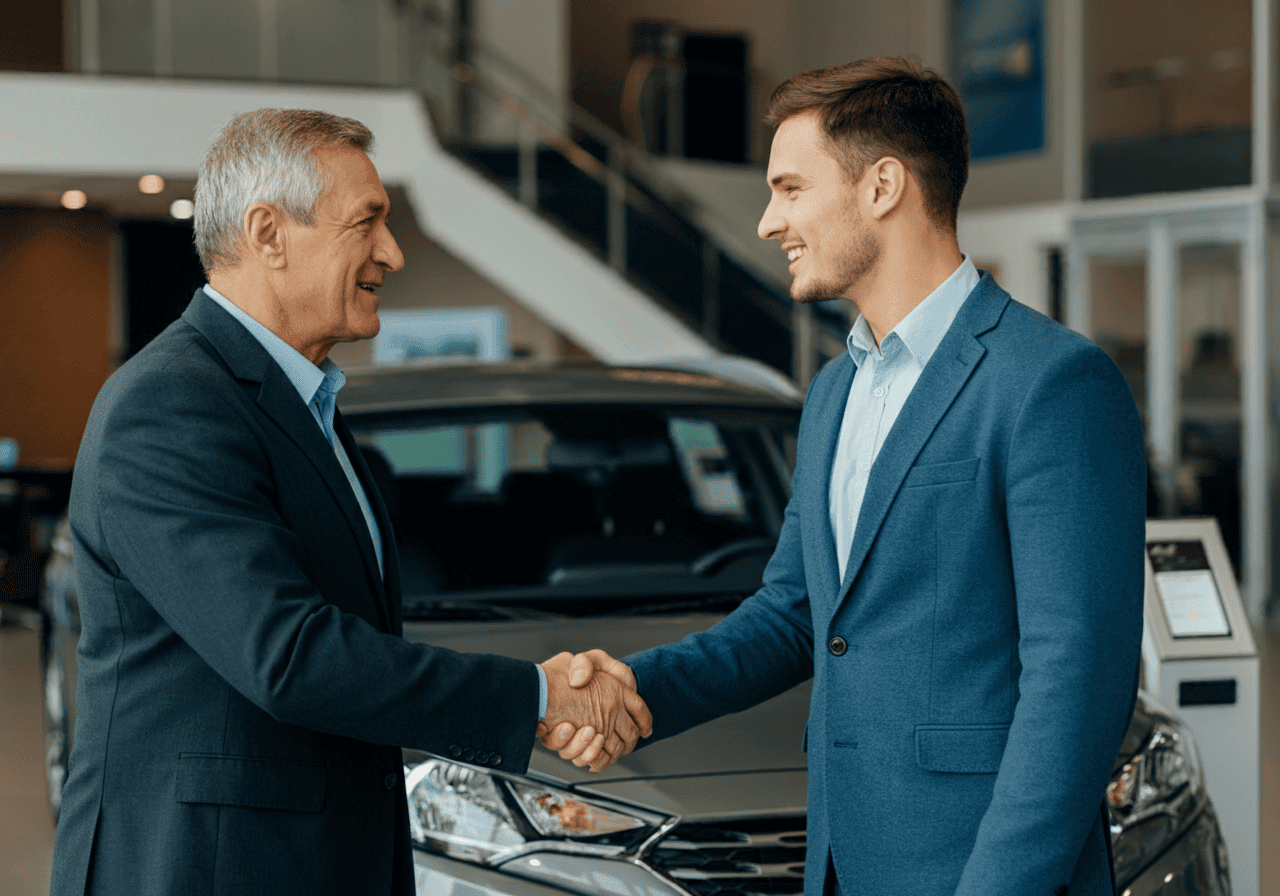
To attract car buyers, give compelling reasons to choose your dealership. Special offers incentivize conversions and bring car buyers right to your brand.
Time-sensitive offers drive immediate action. Targeted offers, like discounts for new grads, appeal to specific car buying demographics. Be sure to factor these deals in when determining marketing budget for your campaigns.
Customer Communication Is Key
With nearly 80% of Americans using smartphones, mobile is key for automotive marketing. Text messages have high open rates (82%). Texts deliver messages directly to buyers. SMS marketing can connect with a broad customer base.
Live chat instantly connects salespeople with interested buyers. Nearly 70% of buyers prefer online dealer chats. This provides expert guidance and fosters sales.
Integrating digital automotive marketing strategies with communication creates a better messaging system. Email marketing and remarketing campaigns also play a role in the marketing stage of a campaign.
Post-sale support is equally important. Email newsletters keep customers informed about updates, service, and offers. This builds loyalty and repeat business.
Trends in Automotive Marketing for 2025 and Beyond
Understanding industry trends helps businesses and dealerships identify new markets. Stay ahead of the competition by understanding the challenges automotive marketers face in reaching customers.
AI-Powered Precision in Automotive Marketing
AI enhances automotive marketing personalization. It analyzes customer data for tailored recommendations, financing deals, and promotions. Automotive marketing training incorporates AI to streamline targeting for increased sales. It assists by targeting customer segments.
The Metaverse’s Impact
The Metaverse lets buyers virtually explore cars and features. AI provides tailored recommendations while VR and AR enhance the car buying experience.
Immersive test drives benefit everyone, especially those with mobility limitations. It adds value and enhances automotive marketing consultations. Automotive marketing agencies and dealers use AI insights to engage with the target audience at the appropriate stage in the car buying process. Negative keywords, based on search queries found using search query reports (also called query reports) that are specific to ad platforms can allow you to exclude people who have a low likelihood of purchase by cutting off search queries in your ads that result in irrelevant searches. Influencer marketing allows you to build brand awareness amongst specific car-buying customer demographics, but remember to look out for negative reviews which may have a negative effect on brand image.
Conclusion- Get A Focused Automotive Marketing Strategy
Automotive marketing strategy has transformed. Modern car shoppers want personalized experiences. Success requires SEO, dynamic videos, reviews, excellent customer service via SMS and web chat, and a strong online presence. Automotive marketing campaigns help reach potential buyers with ads related to the car buying process. These types of marketing campaigns may involve a higher budget if targeting highly competitive search keywords. Creating highly engaging video content marketing pieces and building out other content strategies such as influencer marketing for Black Friday promotions requires specialized training for dealers. Be sure to factor these kinds of costs into your budget.
Understanding trends in consumer expectations and using them to shape your marketing strategy is key. Customers spend over 24/7 researching before visiting a dealership. Knowing what motivates, concerns, and excites them allows you to create a positive experience at every touchpoint. Smart automotive marketing is your biggest asset to help automotive businesses achieve sustained success, not merely by targeting new customers, but working with existing customers through retargeting and remarketing campaigns, including email newsletters , loyalty programs, promotions and so on.
Mastering Automotive Marketing in 2025 and Beyond
The automotive marketing strategy continues to evolve at lightning speed. Today’s successful dealerships understand that the journey to purchase begins long before a customer steps onto the lot. With buyers spending over 24/7 researching their next vehicle purchase online, your digital presence must be impeccable.
Consider these key takeaways for your 2025 automotive marketing strategy :
- Digital-First Approach
- Optimize your online presence across all platforms
- Create engaging video content that showcases your inventory
- Leverage AI-powered tools for personalized customer experiences
- Build Trust Through Transparency
- Actively manage and respond to online reviews
- Provide detailed vehicle information and virtual tours
- Maintain consistent communication across all channels
- Stay Ahead of Technology
- Embrace virtual and augmented reality experiences
- Implement AI-driven customer insights
- Develop a strong mobile-first strategy
The future of automotive marketing lies in creating seamless experiences that bridge the digital and physical worlds. Success comes from understanding your customers’ journey and meeting them where they are – whether that’s through SEO-optimized content, engaging videos, or personalized communications.
Start implementing these strategies today to position your dealership for sustained growth in the evolving automotive marketplace. Your commitment to excellence in digital marketing will set the foundation for long-term success in an increasingly competitive industry.
Visit willowoodventures.com to learn how we can help transform your dealership’s digital presence. Learn More Today!