Car buyers in 2026 don’t think in channels. They browse on their phone, configure on a laptop, text a question, then walk into your showroom expecting you to know exactly where they left off. If your dealership can’t connect those dots, you’re losing deals to someone who can. Here’s how a real omnichannel customer experience changes that.
BE EVERYWHERE YOUR CUSTOMERS ARE 📱
The Showroom Has Already Started Before They Arrive
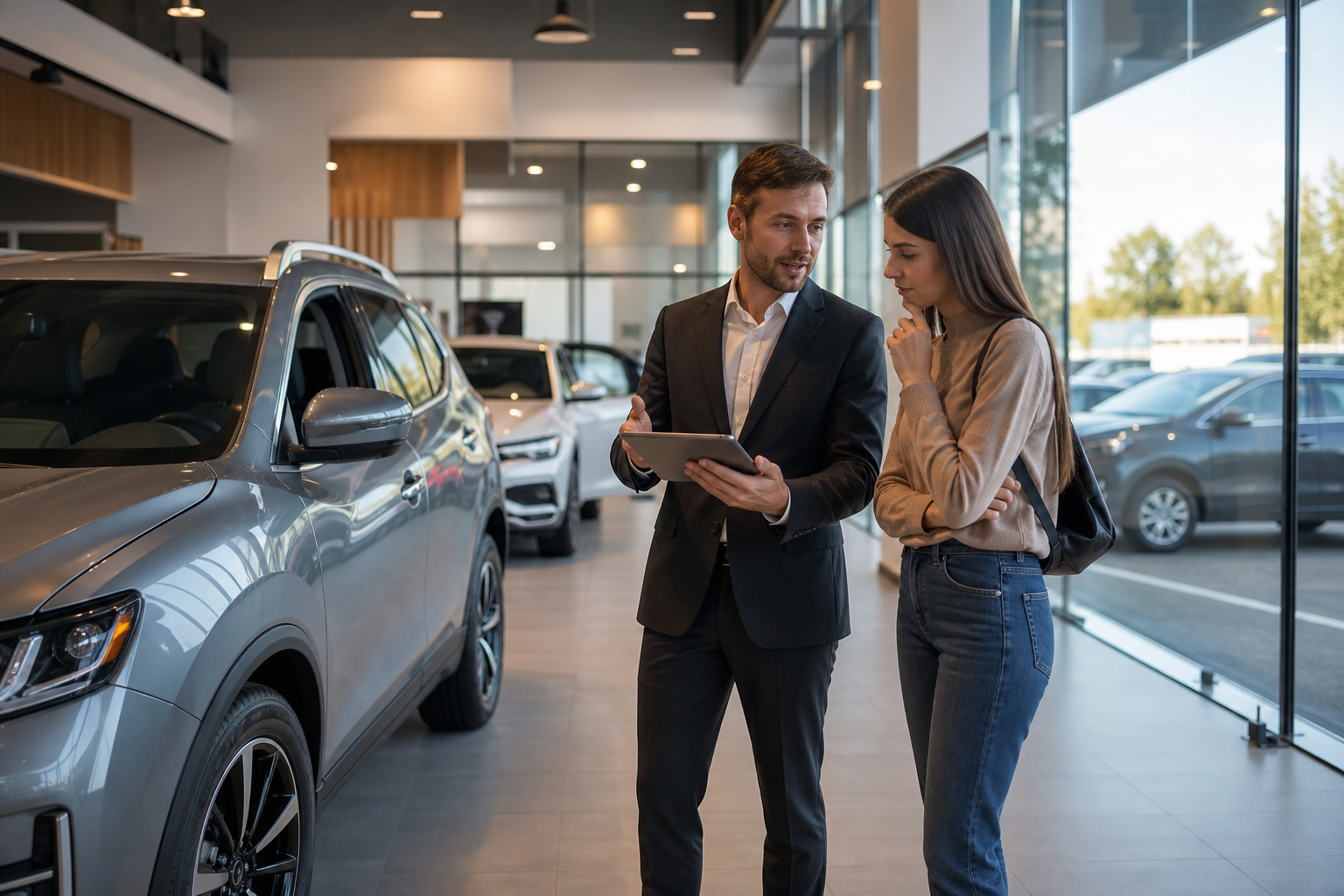
By the time a buyer pulls into your lot, they’ve already spent hours online. They’ve browsed your inventory, compared trim levels, maybe even chatted with your website bot about APR. The question isn’t whether they’ve done their homework. The question is whether your team knows what they found.
A true omnichannel customer experience means your salesperson already knows they looked at a red Traverse with the premium audio package. The handoff from digital to in-person isn’t a reset. It’s a continuation. That single shift, knowing what the customer has already told you, changes the entire dynamic of the conversation on the floor.
Most dealerships still run their website, social ads, BDC, and showroom as four separate operations that barely talk to each other. The customer notices. They repeat themselves. They feel like a stranger every time they switch channels. That friction kills momentum, and momentum is what closes deals.
Why Omnichannel Drives Real Revenue in 2026
This isn’t a branding exercise. The financial case is straightforward. When your channels share data, your leads are warmer, your BDC conversations are sharper, and your close rates go up. Willowood Ventures has managed over $4 million per month in social advertising managed across 600+ dealerships, and the pattern is consistent. Stores with connected marketing and follow-up systems outperform fragmented ones every time.
The math on unified engagement is hard to ignore. Businesses that execute omnichannel strategies well see annual revenue growth nearly three times higher than those running disconnected campaigns. On the cost side, integrated operations cut cost-per-contact significantly while disconnected competitors barely move the needle. Every redundant step you eliminate is margin you keep.
What a Connected Journey Actually Looks Like
No reintroductions: A customer who chatted with your BDC on Monday shouldn’t have to re-explain their situation to a salesperson on Thursday. One shared customer record keeps everyone current.
Consistent messaging: The offer they saw in a Facebook ad should match what the BDC quotes and what the desk manager presents. Discrepancies erode trust fast.
Proactive follow-up: When a shopper spends 20 minutes on your SUV inventory page at 9pm, your BDC should have context for the call or text the next morning. Willowood’s US-based BDC operates 24/7, seven days a week, so that follow-up actually happens.
Service continuity: A customer who bought from you two years ago shouldn’t feel like a stranger when they come in for an oil change. Their history should open doors, not sit in a silo.
The Loyalty Play Is Bigger Than the First Sale
One sale is a transaction. What you’re really building is a relationship that pays out over years of service appointments, trade-ins, and referrals. An omnichannel strategy is how you manufacture those repeat interactions without making them feel manufactured.
Consider a simple example. A customer bought a compact sedan from you in 2024. Two years later, your CRM flags that they’ve been clicking through your crossover pages. Instead of waiting for them to walk in cold, you send a personalized trade-in offer tied to their specific vehicle. That’s not creepy. That’s attentive. Customers reward attentive dealerships with loyalty.
Willowood Ventures clients see a 90% client rebook rate, which tells you something important. When the follow-up is timely, relevant, and consistent across channels, customers come back. They also tell people. Word of mouth from a customer who feels genuinely understood is worth more than any conquest campaign.
Where Dealerships Get This Wrong
The most common mistake is treating omnichannel as a technology problem. It isn’t. The tools matter, but the strategy behind them matters more. Dropping a CRM into a dealership that doesn’t have consistent processes across departments just creates a more expensive mess.
The second mistake is launching the digital side without proper BDC coverage to back it up. You can run a perfectly targeted Meta campaign and generate 80 leads in a weekend. If your follow-up is slow, generic, or inconsistent with what the ad promised, you’ve burned the budget. A 35% set rate and 65% show rate don’t happen by accident. They happen because the BDC response is fast, knowledgeable, and aligned with the marketing message the customer already saw.
The fix isn’t complicated, but it takes discipline. Every channel needs to pull from the same customer data. Every message needs to reflect what that specific customer has already seen and said. And every team member, from the person running your ads to the advisor in your service lane, needs to understand their role in a single, continuous conversation.
Building the Strategy That Actually Works
Start with your data infrastructure. If your website, CRM, and ad platforms don’t talk to each other, that’s the first problem to solve. From there, map the actual journey your customers take from first click to signed deal. You’ll find gaps you didn’t know existed.
Next, look at your follow-up speed and quality. A lead that comes in at 7pm on a Saturday needs a response that night, not Monday morning. That’s where a 24/7 BDC operation, running 24/7, makes a measurable difference. The appointment show rate holds when the follow-up is consistent and human.
Then audit your messaging for consistency. Pull up your current social ads, your website homepage copy, and the script your BDC uses. If they don’t reinforce each other, your customer is getting three different pitches from the same dealership. That inconsistency chips away at credibility before anyone shakes a hand.
Finally, build a service retention loop into the strategy from day one. The dealerships generating real customer lifetime value aren’t just focused on the first deal. They’re connecting the sales record to the service drive and using that data to stay relevant long after delivery day. That’s what transforms a one-time buyer into a household that buys every car from you.
If you want to see how this fits into a broader digital strategy, Willowood Ventures has built out resources on the digital showroom and automotive digital transformation that go deeper on the infrastructure side. And when you’re ready to put a real strategy together, call us at 843-310-4108. We’ve helped 600+ dealerships stop running fragmented campaigns and start running connected ones that close deals.
Make Willowood Ventures a preferred source on Google
One tap tells Google you want our dealership marketing coverage surfaced first. You will see Willowood Ventures more often in Top Stories, AI Overviews, and AI Mode when you search anything about selling more cars. It is free, it takes a second, and it brings you right back to this page.
Semrush US data pulled before publishing. The gap between the broad term and the experience term is the useful signal here.
Search term
Searches / mo
Difficulty
Cost per click
omnichannel marketing Informational
6,600
59 Hard
$4.58
omnichannel customer experience Informational
1,900
31 Moderate
$10.72
customer experience automotive Informational
30
0 Easy
$0.00
What this means for your store
Omnichannel marketing has three and a half times the volume but costs less than half as much per click and is nearly twice as hard to rank for. That is the market telling you the broad term attracts students and browsers. Omnichannel customer experience carries a $10.72 click at a difficulty of only 31, which means fewer searchers but the ones showing up have a budget and a problem.
The page we would build next
Omnichannel customer experience at difficulty 31 with a double-digit click price is the winnable half of this topic. Skip the head term. Build the page around what a customer actually experiences moving from a Facebook ad to a text to the showroom floor, because that is the version people with money are searching for.
Source: Semrush, US database, pulled 25 August 2026. Searches per month is the average US Google volume. Difficulty runs 0 to 100 and estimates how hard page one is to reach. Cost per click is what advertisers pay per visitor, which is the cleanest read on how much commercial intent sits behind a term.
Frequently Asked Questions
Everything dealerships ask us about omnichannel customer experience.
What is omnichannel customer experience and why is it important for car dealerships? +
Omnichannel customer experience means every channel your dealership operates 24/7, website, social media, BDC, showroom floor, and service drive, shares the same customer data and delivers a consistent conversation. Instead of each department starting from scratch, they all pick up where the last touchpoint left off.
For car dealerships, this matters because buyers in 2026 research extensively before they ever contact you. They expect you to know what they’ve already told you. When you don’t, you lose credibility fast.
Willowood Ventures has applied this approach across 600+ dealerships, managing over $4 million per month in social advertising managed to drive traffic that actually converts. The stores with connected journeys consistently outperform those running fragmented campaigns on every metric that matters, from appointment show rate to gross per deal.
How does a connected omnichannel customer experience benefit dealerships specifically? +
The direct benefit is fewer lost deals. When your BDC, sales team, and service advisors all pull from the same customer history, you eliminate the friction of repeat introductions and mismatched offers. A buyer who configured a trim online shouldn’t have to explain their preferences again on the phone.
Beyond the immediate sale, a connected experience drives retention. Willowood Ventures clients average a 90% client rebook rate, which reflects what happens when follow-up is timely, relevant, and consistent across every channel the customer uses.
Operationally, you also save time. When your team isn’t re-gathering information that already exists in the system, they spend more of their day on activities that actually close deals. That efficiency compounds across every department touching the customer relationship.
What are the key components of a successful omnichannel customer experience strategy? +
Four components matter most. First, shared data infrastructure. Your CRM, website platform, and ad accounts need to communicate so every team member sees the same customer record. Second, consistent messaging. The offer in your Meta ad should match what your BDC quotes and what the desk presents. Gaps in consistency erode trust.
Third, fast and informed follow-up. A lead that comes in at 8pm needs a response that evening, not the next morning. Willowood’s US-based BDC runs every day specifically to cover those windows where most dealers go dark.
Fourth, a service retention loop. The strategy shouldn’t end at delivery. Connecting sales data to the service drive lets you send proactive, relevant outreach that keeps customers returning and spending with your dealership for years.
How long does it take to see results from an omnichannel customer experience strategy? +
Some improvements show up within the first 30 days. When your BDC response time drops and your follow-up messaging aligns with what the customer already saw in an ad, appointment set rates climb quickly. Willowood Ventures targets a 35% set rate and a 65% show rate, and dealers typically see movement toward those benchmarks within the first month of running a properly connected campaign.
Larger structural results, like measurable increases in customer lifetime value and service retention, take three to six months to become clear in your reporting. You’re building a system, not running a one-time promotion.
The key is not waiting until everything is perfect before you start. Fix the biggest gaps first, usually data sharing and follow-up speed, and build from there. Momentum compounds when the foundation is solid.
What kind of ROI can dealerships expect from a professional omnichannel customer experience strategy? +
Willowood Ventures clients average approximately 800% average return on ad spend across our managed campaigns, which includes the full omnichannel stack of targeted advertising, BDC follow-up, and connected customer data. Real dealership results back that number up. Salt Lake City GMC moved 89 units for $421,593 in revenue. Oklahoma City CDJR closed 83 deals for $398,762. Little Rock VW sold 64 vehicles for $294,821.
Those numbers come from campaigns where the marketing, the follow-up, and the showroom experience are all aligned. The ad brings in the lead, the BDC converts it to an appointment, and the salesperson picks up the conversation with full context.
The stores that see the strongest returns aren’t just running better ads. They’re running a better end-to-end process that makes every dollar of ad spend work harder because the back half of the funnel is actually built to catch it.
How does omnichannel customer experience differ from traditional dealership marketing methods? +
Traditional dealership marketing operates in isolation. TV spots run separately from your digital ads. Your website team doesn’t talk to your BDC. Your BDC doesn’t update your CRM before the salesperson takes the call. Each piece works independently and the customer bears the cost of reconnecting them every time they switch channels.
Omnichannel strategy treats every touchpoint as part of a single conversation. The customer’s behavior on your website informs the ad they see next. The ad they respond to shapes the BDC script. The BDC conversation is visible to the salesperson before they shake hands.
The practical difference shows up in your numbers. Traditional methods produce inconsistent lead quality and high drop-off between appointment set and actual show. A connected approach, supported by tools like Willowood’s Meta Certified Partnership and 24/7 BDC coverage, tightens that funnel at every stage.
What role does BDC follow-up play in omnichannel customer experience success? +
BDC is the engine that keeps the omnichannel conversation moving. You can run the best-targeted social campaign in your market, but if the follow-up response is slow or generic, you’ve wasted the spend. The BDC is where a qualified lead either becomes an appointment or disappears.
Willowood Ventures operates a US-based BDC every day. That coverage window matters because a significant portion of automotive leads come in during evenings and weekends, when most dealer BDC teams have gone home. Speed and context both drive show rates.
When the BDC agent can reference what ad the customer clicked, what inventory they browsed, and what questions they already asked, the conversation is immediately more relevant. That relevance is what drives the 72% appointment show rate Willowood clients achieve. The customer doesn’t feel like a random lead. They feel like someone you’ve already been helping.
How important is timing for launching an omnichannel customer experience strategy? +
Timing matters, but waiting for a perfect setup is the wrong move. The dealers who see the fastest results start by fixing their biggest friction point first, usually either follow-up speed or messaging consistency, and expand the strategy from there.
That said, certain market moments amplify results. Month-end pushes, seasonal inventory shifts, and manufacturer incentive windows all generate higher buyer intent. Launching or upgrading your omnichannel approach ahead of those windows gives you the infrastructure to capture demand that you’d otherwise lose to slower follow-up or inconsistent messaging.
Willowood Ventures packages are quoted per rooftop, which means the barrier to getting started is lower than most dealers expect. The cost of continuing to run fragmented campaigns, measured in lost deals and wasted ad spend, almost always exceeds the cost of the strategy within the first 60 days.
What makes omnichannel customer experience more effective than running individual channel campaigns? +
Individual channel campaigns optimize for their own metrics in isolation. Your social team chases clicks. Your BDC chases dials. Your salespeople chase floor ups. None of those goals are wrong, but when they’re not connected, you end up with great activity numbers and mediocre revenue results.
An omnichannel strategy aligns all those activities toward a single outcome, a delivered vehicle and a retained customer. The social campaign generates a warm lead. The BDC converts it with context from that campaign. The salesperson closes with the full history. The service team uses the purchase record to keep the customer coming back.
Willowood’s Meta Certified Partnership means our ad targeting is built on first-party data and behavioral signals that individual dealership campaigns rarely access at scale. Combined with a BDC that runs 24/7 and a strategy that connects every touchpoint, the individual channel metrics all improve because they’re working toward the same goal instead of competing for credit.
Why should dealerships choose Willowood Ventures for their omnichannel customer experience strategy? +
Willowood Ventures is the premier choice for omnichannel customer experience because of our proven track record across the automotive industry. We’ve served 600+ dealerships, managed $4 million per month in social advertising managed, and consistently deliver results like 89 units sold for $421,593 at Salt Lake City GMC and 83 units for $398,762 at Oklahoma City CDJR.
Our approach isn’t theoretical. We hold a Meta Certified Partnership, run a US-based BDC every day, and build campaigns that connect advertising, follow-up, and showroom data into one continuous customer conversation. Our clients average approximately 800% average return on ad spend and a 90% rebook rate because the strategy doesn’t stop at lead generation. It runs through delivery and beyond.
Packages are quoted per rooftop, and every strategy is built around your specific market, inventory, and goals. Contact us at 843-310-4108 to talk through what a connected omnichannel approach can do for your dealership in 2026.