MMR Car Value Explained: What It Means for Your Trade
In the competitive landscape of the automotive industry, dealership efficiency solutions have become indispensable. Efficient operations are not just about cutting costs; they are about creating a seamless experience for both the dealership staff and the customers. From the moment a potential buyer walks through the door to the post-purchase follow-up, every step needs to be optimized for maximum impact.
Willowood Ventures specializes in providing tailored solutions that address the unique challenges faced by car dealerships. Our expertise lies in enhancing key areas such as lead generation, customer engagement, and data utilization. By leveraging state-of-the-art technologies and innovative strategies, we help dealerships achieve a balance between sustainability and profitability.
Whether you’re looking to streamline your Business Development Center (BDC) operations or implement effective Facebook Campaigns, Willowood Ventures offers a suite of services designed to boost your dealership’s efficiency. Ready to take your dealership to the next level? Book your meeting today!
Importance of Efficient Dealership Operations
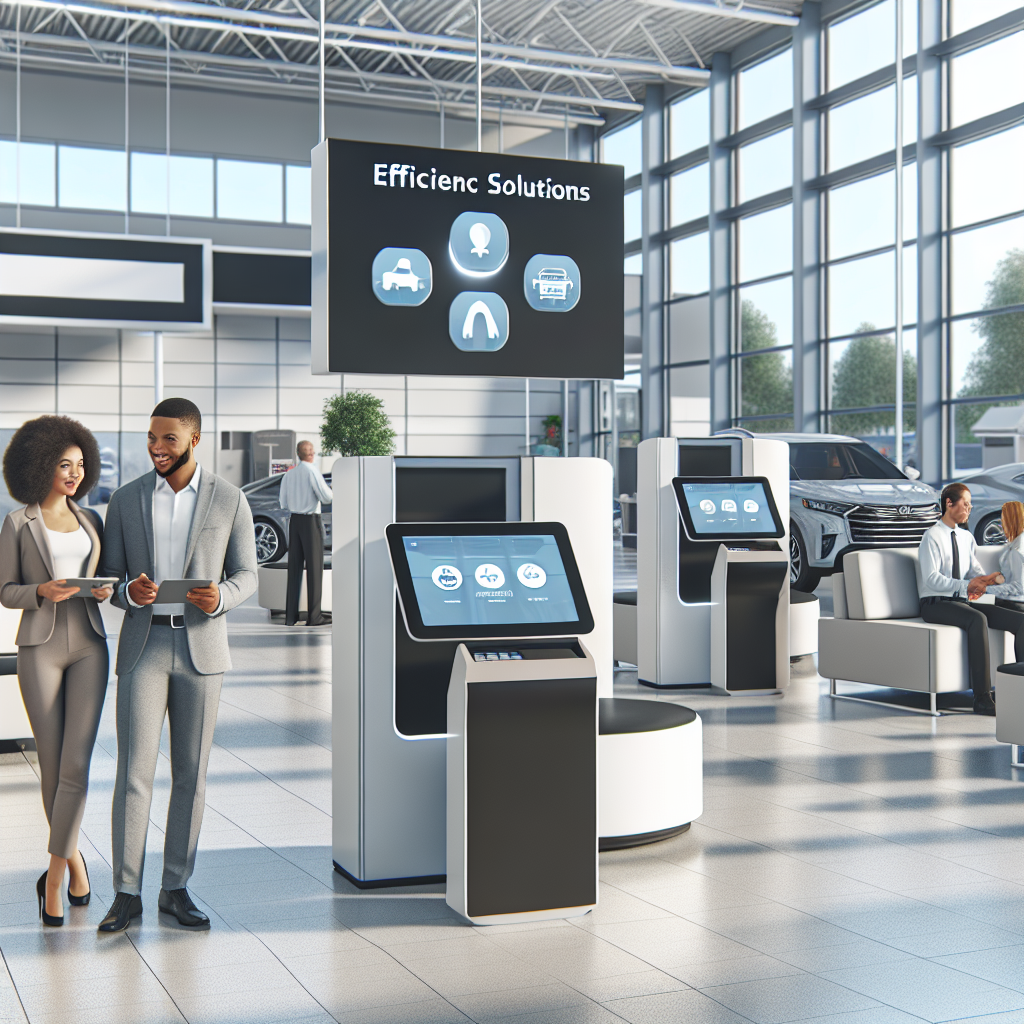
The importance of efficient dealership operations cannot be overstated in today’s fast-paced automotive market. Efficiency impacts every aspect of a dealership’s performance, from sales and customer satisfaction to inventory management and profitability. When operations run smoothly, it not only enhances the customer experience but also significantly boosts staff morale and productivity.
Efficient operations help in reducing wait times, improving communication, and ensuring that every lead is followed up promptly. This, in turn, increases the likelihood of converting prospects into loyal customers. Moreover, streamlined processes allow for better inventory management, reducing the costs associated with overstocking or stockouts.
In an era where customers expect quick and personalized services, inefficiencies can lead to lost sales and a tarnished reputation. By focusing on optimizing various processes, dealerships can ensure they remain competitive and responsive to market demands. Leveraging data analytics, automating routine tasks, and training staff on best practices are some of the ways to achieve operational efficiency. Ultimately, efficient operations are the backbone of a successful dealership, fostering growth, profitability, and long-term sustainability.
Lead Generation Strategies for Dealerships
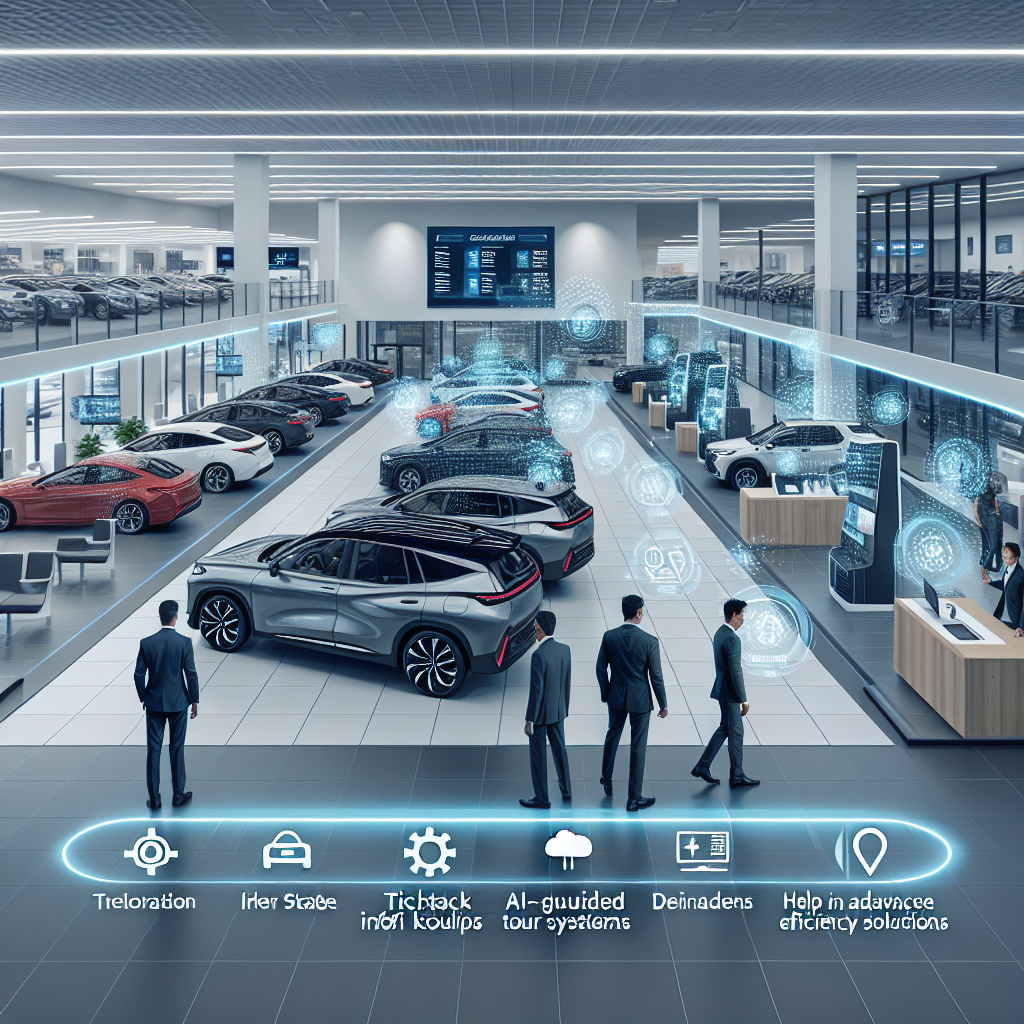
In the competitive automotive market, effective lead generation strategies are crucial for dealerships aiming to enhance their customer base and increase sales. A multifaceted approach to lead generation can help in capturing potential buyers’ interest and converting them into loyal customers.
Digital Marketing Campaigns: Utilizing social media platforms, search engine advertising, and email marketing can significantly boost lead generation. For instance, Facebook Campaigns offer targeted advertising options that can attract a specific audience based on their interests and behaviors.
Content Marketing: Creating valuable and informative content such as blog posts, video tutorials, and eBooks can attract potential customers to your dealership’s website. Providing solutions to common automotive problems or highlighting the latest industry trends can position your dealership as an authority in the field.
SEO Optimization: Investing in search engine optimization ensures that your dealership appears in the top results when potential customers search for relevant keywords. This increases organic traffic and enhances brand visibility.
Lead Management Systems: Implementing a robust Customer Relationship Management (CRM) system can help in tracking and managing leads more effectively. CRM systems facilitate prompt follow-ups, personalized communication, and better conversion rates.
Partnerships and Events: Collaborating with local businesses, participating in community events, and hosting dealership open houses can generate leads through word-of-mouth and direct interactions.
By integrating these strategies, dealerships can create a comprehensive lead generation plan that not only attracts potential buyers but also fosters long-term relationships. Effective lead generation is the foundation of sustainable growth and profitability for any dealership.
Enhancing Customer Engagement Tactics
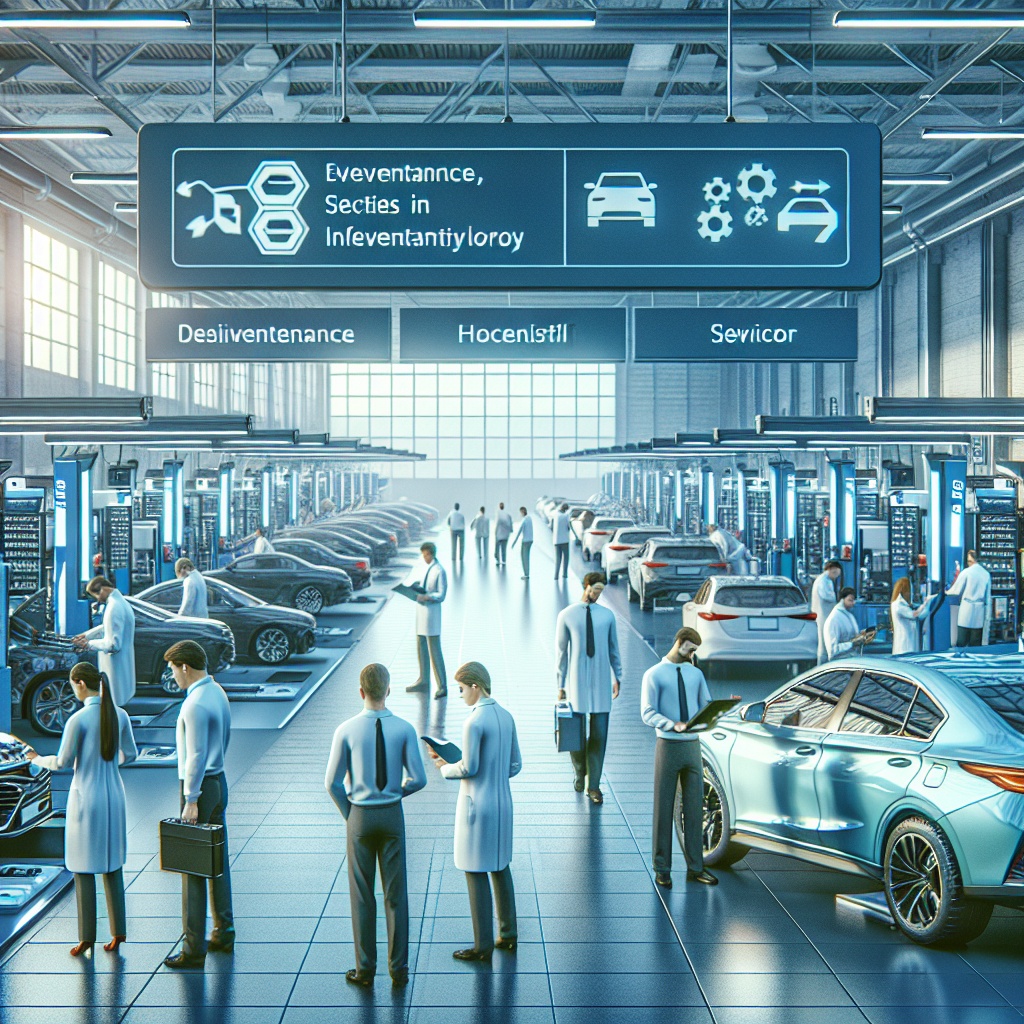
In today’s competitive automotive industry, enhancing customer engagement is essential for dealerships aiming to build lasting relationships and improve customer retention. Effective engagement tactics can transform casual inquiries into loyal customers, fostering a sense of community and trust.
Personalized Communication: Utilizing data from your CRM system, dealerships can tailor communications to match the preferences and behaviors of individual customers. Personalized emails, targeted offers, and customized follow-ups make customers feel valued and understood.
Active Social Media Presence: Social media platforms are pivotal for engaging with customers. Regularly posting engaging content, responding promptly to inquiries, and running interactive campaigns can keep your audience connected and engaged. Use platforms like Facebook, Instagram, and Twitter to showcase new arrivals, share customer testimonials, and provide valuable automotive tips.
Loyalty Programs: Implementing loyalty programs that reward repeat customers with exclusive discounts, early access to sales events, or special services can significantly boost customer retention. These programs incentivize customers to return to your dealership for future purchases and services.
Customer Feedback Mechanisms: Actively seeking and acting on customer feedback demonstrates that you value their opinions. Surveys, suggestion boxes, and follow-up calls after service visits can provide insights into customer satisfaction and areas for improvement.
Community Involvement: Engaging with the local community through events, sponsorships, and partnerships can enhance your dealership’s reputation and foster a strong connection with potential customers. Community involvement showcases your dealership’s commitment to local values and interests.
By implementing these tactics, dealerships can create a customer-centric environment that not only meets but exceeds customer expectations. Effective customer engagement is key to building loyalty, driving repeat business, and ultimately, achieving long-term success in the automotive market.
Utilizing Data for Improved Efficiency
In an era where data is often referred to as the new oil, car dealerships can significantly enhance their efficiency by leveraging data-driven insights. Utilizing data effectively not only streamlines operations but also drives strategic decision-making and maximizes overall performance.
Data-Driven Marketing: One of the most impactful uses of data is in marketing. By analyzing customer demographics, behaviors, and purchase histories, dealerships can create highly targeted marketing campaigns. This ensures that promotional efforts are directed towards the right audience, increasing the likelihood of conversions and reducing marketing spend.
Inventory Management: Data analytics tools can provide real-time insights into inventory levels, helping dealerships maintain an optimal stock of vehicles and parts. Predictive analytics can forecast demand patterns, enabling better inventory planning and reducing the risks of overstocking or stockouts.
Customer Relationship Management (CRM): Integrating data from various customer touchpoints into a centralized CRM system allows for a holistic view of each customer. This facilitates personalized interactions, timely follow-ups, and tailored service offerings, enhancing customer satisfaction and loyalty.
Operational Efficiency: Data can identify bottlenecks and inefficiencies within dealership operations. By analyzing process performance metrics, dealerships can pinpoint areas needing improvement, implement corrective measures, and monitor the impact of those changes over time.
Sales Performance Analysis: Monitoring and analyzing sales data helps dealerships understand what strategies are working and where adjustments are needed. Sales trends, conversion rates, and customer acquisition costs are just some of the metrics that can be tracked to optimize sales processes and improve overall performance.
Through the strategic use of data, dealerships can not only enhance their operational efficiency but also gain a competitive edge in the market. By making data-driven decisions, dealerships are better equipped to meet customer needs, respond to market trends, and achieve sustainable growth.
Innovative Consulting and Marketing Solutions

At Willowood Ventures, we understand that the automotive industry is constantly evolving, and dealerships must stay ahead of the curve to remain competitive. This is why our innovative consulting and marketing solutions are designed to address the unique challenges faced by car dealerships, ensuring they not only survive but thrive in today’s dynamic marketplace.
Tailored Consulting Services: Our expert consultants work closely with dealerships to identify pain points and uncover opportunities for improvement. Whether it’s enhancing lead generation, optimizing customer engagement, or streamlining operations, our consulting services are customized to address specific needs. We employ data-driven approaches to develop actionable strategies that drive measurable results.
Facebook Sales Events: In the digital age, engaging customers online is crucial. Our Facebook Sales Event campaigns are designed to generate buzz, attract potential buyers, and convert leads into sales. By leveraging the power of social media, we help dealerships reach a wider audience, increase engagement, and boost sales performance.
Business Development Center (BDC) Solutions: A well-structured BDC can significantly improve dealership efficiency and customer satisfaction. Our BDC solutions focus on enhancing communication, managing leads effectively, and providing exceptional customer service. By integrating advanced technologies and best practices, we ensure that your BDC operates at peak efficiency.
Data-Driven Marketing Strategies: Our marketing solutions are grounded in data analytics, enabling us to craft highly targeted campaigns that resonate with your audience. From email marketing to search engine optimization, our strategies are designed to maximize ROI and drive sustainable growth.
At Willowood Ventures, we are committed to helping dealerships achieve their goals through innovative solutions and expert guidance. Book your meeting today! Let us partner with you to unlock the full potential of your dealership and secure a prosperous future.
Run a dealership?
Turn your inventory priorities into a Facebook Sales Event with Meta ads and live US-based bilingual BDC appointment setting from Willowood. This demo is for dealership owners, GMs, GSMs, and marketing directors.
Book a Dealer DemoAcquire trades with a buyback event →
Join Affiliate
Make Willowood Ventures a preferred source on Google
One tap tells Google you want our dealership marketing coverage surfaced first. You will see Willowood Ventures more often in Top Stories, AI Overviews, and AI Mode when you search anything about selling more cars. It is free, it takes a second, and it brings you right back to this page.
Button not loading? Add willowoodventures.com as a preferred source here.

These tips really streamlined our processes; highly recommend!
We implemented several tips and saw an immediate increase in customer satisfaction and sales.