Gone are the days when a big tent, some balloons, and a hot dog stand were enough to call it a sales event. That old playbook just doesn’t cut it anymore. Today’s car buyers live online, and they expect more than just a low price—they want an experience that feels personal and valuable.
Automotive event marketing has completely changed. It’s no longer just about pushing metal for a weekend. Now, it’s about building a genuine connection with your community, creating brand loyalty, and generating high-quality leads that actually show up ready to talk. A great event blends the excitement of a real-world gathering with the sharp, data-driven focus of a digital campaign.
Rethinking Your Automotive Event Playbook
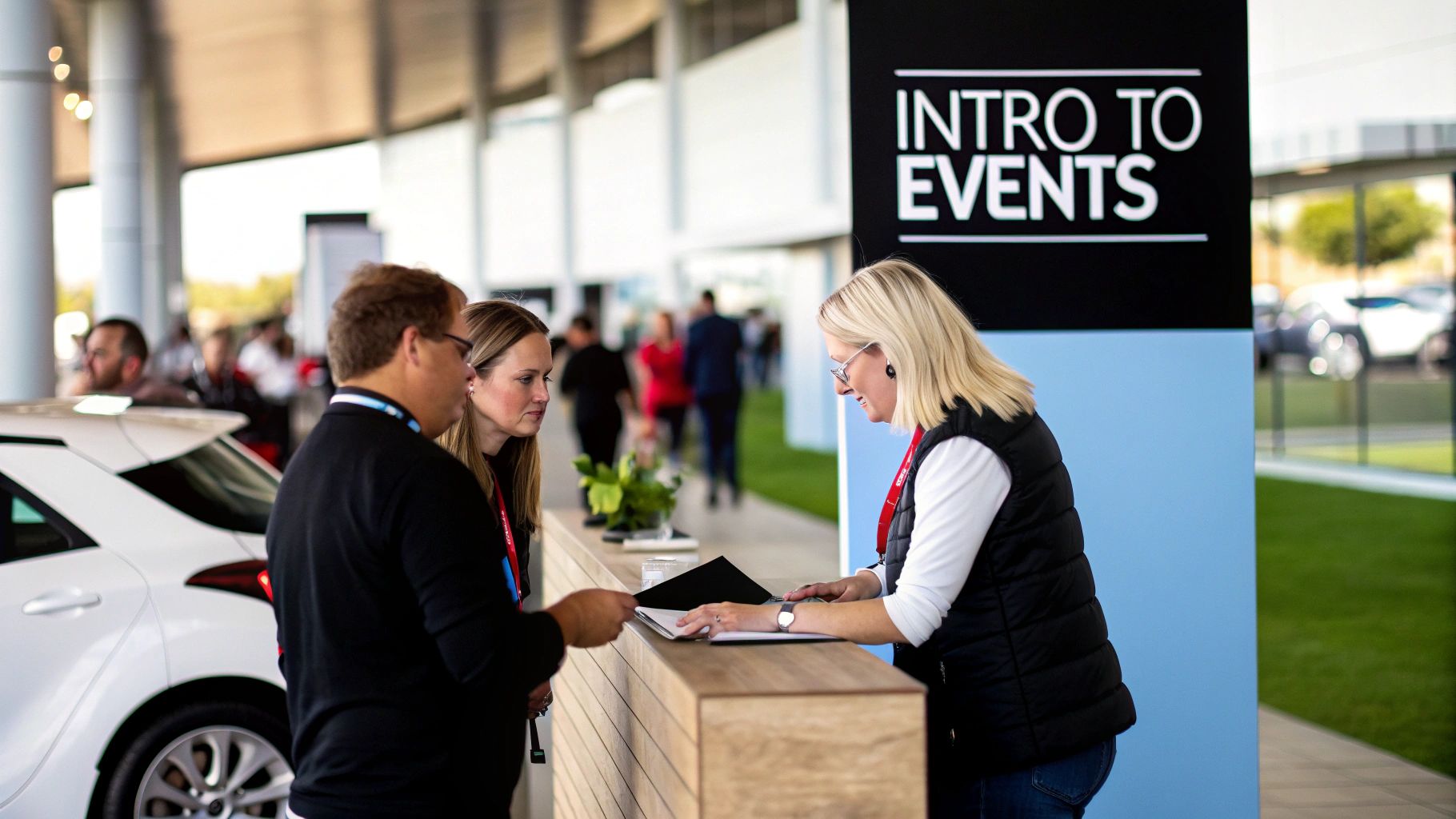
The top-performing dealerships I work with know an event isn’t just a three-day affair. It’s a full-blown campaign that kicks off weeks ahead of time online and keeps the conversation going long after the last guest leaves. This creates a smooth journey that grabs a buyer’s attention on their social feed and guides them straight to your showroom floor.
Shifting From Tactics To Strategy
The core of powerful automotive event marketing is a mindset shift. Instead of just throwing another sale, you’re building a brand moment. This means ditching generic promotions and getting creative with targeted experiences that people actually want to attend. The goal is to bring in qualified people who are genuinely interested in what you offer, not just someone looking for free food.
The most successful events feel less like a sales pitch and more like a community gathering. They offer genuine value, whether it’s through entertainment, education, or exclusive access, making attendees feel appreciated rather than pressured.
To really get your creative gears turning, take a look at these 10 Potent Event Marketing Strategies for 2025. You can pull some incredible inspiration from other industries and adapt it for the dealership world.
Modern vs. Traditional Automotive Event Tactics
To really nail this, you have to understand the massive gap between the old way of doing things and the modern, digital-first approach. It’s the difference between guessing and knowing, between hoping for traffic and guaranteeing it.
This table breaks down the essential shift from outdated event methods to modern, data-informed strategies that deliver measurable results.
| Strategy Pillar | Outdated Approach | Modern Approach |
|---|---|---|
| Audience Targeting | Mass-market ads (radio, print) hoping to reach anyone. | Segmented digital ads targeting lease-end customers or specific model browsers. |
| Event Concept | Generic “Tent Sale” or “Holiday Blowout” with discounts. | Themed events like a “Family Safety Clinic” or an “EV Test Drive Day.” |
| Lead Capture | Manual sign-in sheets that are often inaccurate or incomplete. | QR code check-ins, digital RSVPs, and interactive lead forms. |
| Measurement of Success | Counting foot traffic and number of hot dogs served. | Tracking cost per lead, appointment set rate, and event-attributed sales. |
The contrast is pretty stark, right? By leaving the old methods behind and embracing this modern playbook, you can design events that don’t just draw crowds but actually build a powerful and predictable sales pipeline. It’s about making every marketing dollar an investment in real, measurable growth.
The most profitable sales events aren’t born from guesswork and gut feelings. They’re built on something your dealership already has in spades: customer data. Long before the first ad runs or the first balloon is inflated, the groundwork for a record-breaking event is laid by digging into the information you already own.
Instead of just hoping the right people show up, you can use your own customer insights to build an event that speaks directly to the individuals most likely to buy. Your Customer Relationship Management (CRM) system is the key. It’s not just a digital rolodex; it’s a living history of every relationship you’ve built. This is where smart, targeted automotive event marketing begins.
Find Your Best Customers Before You Plan Anything
First things first, you need to dive into your CRM to find high-potential audience segments. Forget blasting a generic invitation to your entire database. The goal is to identify specific groups of people who have a compelling reason to walk into your showroom right now.
Start by looking for these goldmines:
- Lease-End Customers: Anyone with a lease expiring in the next 90-120 days should be at the top of your list. These are some of the hottest leads you have. An exclusive “Lease Upgrade Event” with loyalty rewards is an absolute no-brainer.
- Service Customers with Older Vehicles: Pull a list of regulars who service vehicles that are 7+ years old. They already trust your service department, so a personal invitation to see the latest tech and safety features could be the perfect nudge to trade up.
- Online Inventory Browsers: Who’s been lurking on your website? Your analytics can show you who has repeatedly viewed specific models. A customer who has checked out your 3-row SUV page five times this month is screaming for an invitation to a “Family-Friendly Vehicle Showcase.”
The real power here is precision. You’re not just throwing a generic sale. You’re inviting a specific person to an event designed to solve their exact problem, whether that’s escaping an aging car or finding more room for a growing family.
This data-first approach is the bedrock of modern dealership marketing. In fact, a major trend in the industry is using first-party data and intent signals to create highly tailored messages. It’s a move away from generic promotions toward authentic outreach that responds directly to customer behavior. You can see more on how data is reshaping dealership strategies and find more automotive marketing trends on Porch Group Media.
Let the Data Shape Your Event Concept
Once you’ve identified your key segments, let that data drive every other decision, from the event’s theme to the specific vehicles you put front and center.
Let’s walk through a real-world scenario. Say your data shows a spike in service appointments for out-of-warranty trucks. At the same time, your website analytics show a ton of traffic on your new heavy-duty truck inventory pages. Instead of another tired “Truck Month” promotion, you can get specific.
Example Event Built From Data:
- Audience: Owners of 5-10 year old trucks and recent online truck browsers.
- Event Theme: “The Ultimate Work & Play Truck Showcase.”
- Featured Inventory: You’d better have a solid stock of new heavy-duty models, especially in the trims and colors people have been clicking on. It’s also smart to have a few certified pre-owned options ready to go.
- Personalized Offer: “Get a guaranteed trade-in value plus a complimentary spray-in bedliner with any new truck purchase during our showcase.” This offer hits a real pain point for truck owners and feels custom-made for them.
Personalize Your Outreach for Maximum Impact
This data-driven strategy completely changes how you promote the event. No more one-size-fits-all email blasts. Now, you can craft personalized messages that resonate with each specific segment.
Your communication plan could look something like this:
| Customer Segment | Communication Angle | Call to Action |
|---|---|---|
| Lease-End Clients | “Your lease is almost up! Join our exclusive event to see your loyalty upgrade options.” | RSVP for a private consultation. |
| Aging Vehicle Owners | “We’ve loved servicing your vehicle! Come see how far new models have come in safety and tech.” | Register for our tech showcase. |
| Online SUV Shoppers | “Saw you checking out our SUVs! Come see them in person and enjoy a family fun day.” | Get your VIP test drive pass. |
This level of personalization isn’t creepy; it shows customers you’re paying attention and understand their journey. By taking a data-first approach, you ensure your marketing budget is spent connecting with an audience that’s already warm and ready to engage. It’s a core piece of a powerful automotive digital marketing strategy that expertly bridges the gap between online interest and in-person sales.
Building an Omnichannel Promotion Strategy
A brilliant event idea is just the start. Without a rock-solid promotion plan, even the best concepts fall flat on their face. The difference between a packed showroom and an empty lot comes down to automotive event marketing that builds a consistent, professional, and exciting story across every channel your customers use. This isn’t about firing off a single email blast and crossing your fingers. It’s about creating a synchronized campaign that builds genuine buzz and drives people to RSVP.
An omnichannel approach makes sure that wherever your potential buyers are—scrolling social media, checking email, or searching on Google—they see a cohesive message about your can’t-miss event. The goal is to weave your online hype so seamlessly into the real world that walking into your dealership feels like the natural next step.
Layering Your Promotional Channels
Think of your promotion strategy as a timeline. You want to build momentum, moving from broad awareness to direct, punchy calls-to-action as the event gets closer. Different channels will take the lead at different stages.
A layered promotional mix is your best bet. Here’s how it might look:
- Email Campaigns: Don’t just blast your whole list. Segment it. Customers whose leases are ending need a totally different message than service customers driving older models. Get personal.
- Social Media: This is your hype machine. Use countdowns, share behind-the-scenes videos of your team setting up, and run polls asking what people are most excited to see. Make it feel like something is happening right now.
- Targeted Digital Ads: Get hyper-focused with ads on Facebook, Instagram, and Google. You can target people based on their location, what competitor brands they follow, and even if they’ve visited your website recently.
The key to all of this is consistency. Your ad graphics, email headers, and social media posts must share the same branding, tone, and core message. This level of professionalism builds trust and makes your event feel like a legitimate, well-organized affair.
For example, your Facebook ad copy can be direct and create urgency: “Your VIP pass to our SUV Showcase is waiting! RSVP now for an exclusive test drive slot.” At the same time, your Instagram Stories could feature a more casual, engaging video of a salesperson showing off a top feature on one of the SUVs. To keep all these moving parts in sync, you might want to explore some of the top social media management tools out there.
Budgeting for Promotional Success
Before you launch a single ad, you need a clear financial roadmap. This infographic breaks down a simple process for setting up your event budget, from getting initial funds to allocating them.
As you can see, the bulk of the funding usually comes from the dealership’s own marketing budget. This can be powerfully supplemented by sponsor contributions, with the final piece of the pie going directly to promotional spending.
The modern car buyer’s journey isn’t just online or offline anymore—it’s both. Omnichannel marketing strategies are no longer a “nice to have”; they’re critical. In fact, a 2023 study from Cox Automotive showed that the percentage of customers using a hybrid approach—mixing online research with in-person dealership visits—is expected to jump from 43% to 71%. This shift makes it absolutely vital to design event promotions that feel like a natural extension of what a customer is already doing online.
This new reality means your online promotion has to create a smooth, easy path right to your showroom floor. An online RSVP can’t just be a dead-end form submission. It needs to trigger an immediate confirmation email with all the event details, and maybe even a personal follow-up call from your team. Making sure your staff handles these interactions perfectly is where great automotive BDC training pays for itself.
That connection between digital clicks and physical attendance is where you win. It transforms your promotion from a simple announcement into a complete experience that respects the customer’s time and intelligence, making them far more likely to show up and engage.
Making the In-Person Experience Unforgettable
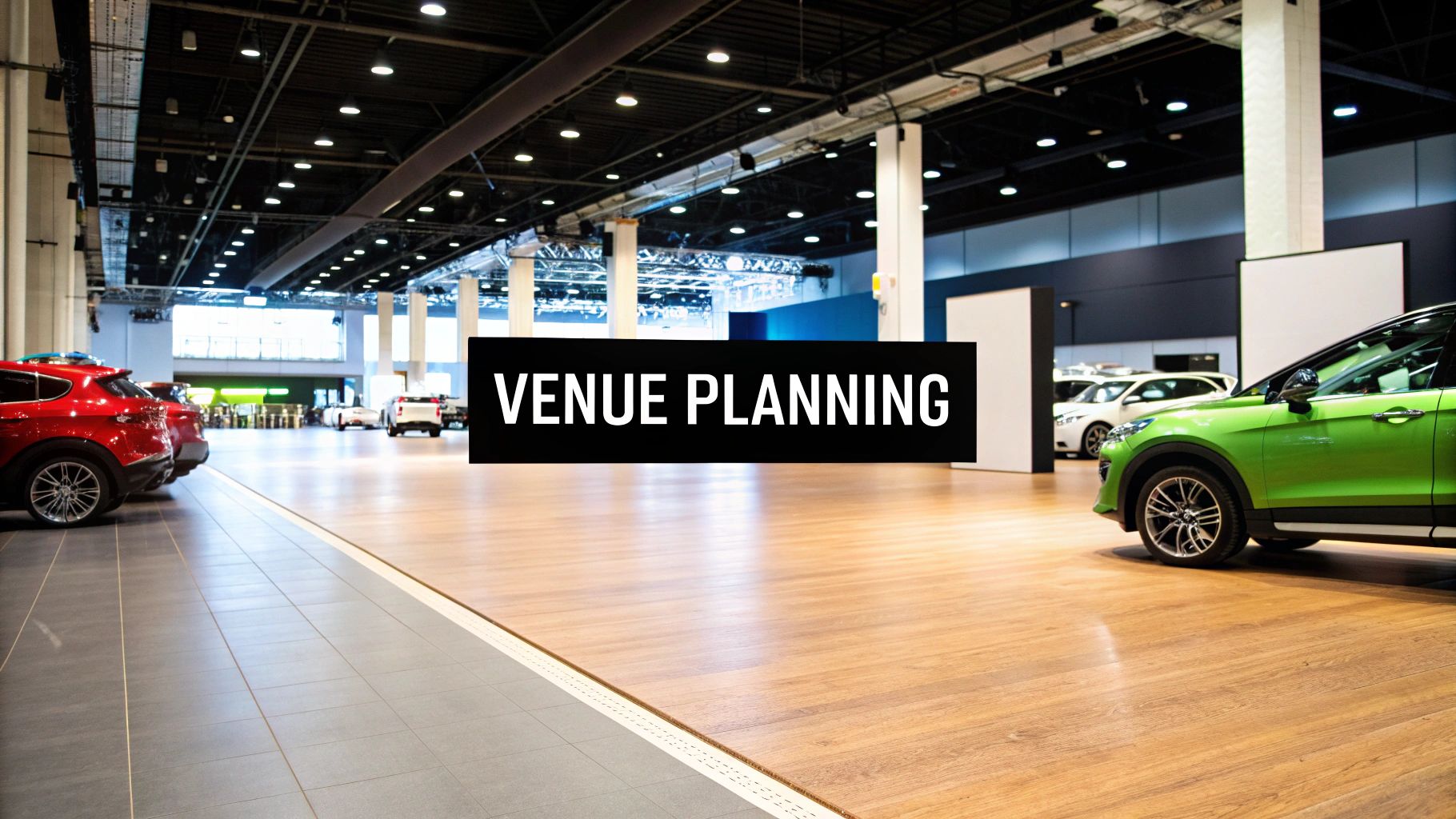
This is it. This is the moment where all your digital groundwork, targeted ads, and data-driven planning truly pay off. The in-person event is where you convert that online buzz into real handshakes, brand loyalty, and, ultimately, sales.
Success on event day comes down to a perfect blend of your people, your process, and the right tech. It’s all about creating an atmosphere that feels special, engaging, and genuinely welcoming. Let’s ditch the old high-pressure sales floor stereotype for good. The goal of your automotive event marketing is to build a low-pressure environment where guests feel comfortable enough to explore, ask questions, and discover value on their own terms.
This is your shot to build relationships that will last long after the ink is dry.
Prepping Your Team and Your Turf
On event day, your two most powerful assets are your dealership’s physical space and your staff. A well-briefed team operating in a thoughtfully laid-out showroom can make or break the entire customer experience. Before that first guest walks through the door, your focus has to be on absolute readiness.
A detailed staff briefing isn’t just a good idea—it’s non-negotiable. Every single person on your team, from sales consultants to service advisors, needs to be on the same page about the event’s goals, the key offers, and their specific role in making it happen. They need to know the schedule, the layout of different activity zones, and exactly how to capture lead information without missing a beat.
At the same time, you need to set up distinct zones inside the dealership to guide your guests on a natural journey. Think about creating dedicated areas for specific activities:
- Welcome & Check-in: This is your first impression. Make it a great one with a smooth and friendly registration process.
- Interactive Tech Zone: Set up a space for a VR test drive or a big-screen car configurator where customers can play.
- Family Fun Area: If it’s a family-style event, have some games or entertainment to keep the kids happy. This gives parents more time and space to browse.
- Hospitality Spot: A comfortable area with coffee and snacks where guests can relax and chat.
This kind of organized layout prevents chaos and creates a smooth, enjoyable flow for everyone. When you plan your space, think about how each piece contributes to the overall vibe. For more ideas on structuring a winning automotive sales event, consider how every element works together to build the right atmosphere.
Weaving in Tech for a Seamless Journey
Technology should make the on-site experience better, not more complicated. The right tools can streamline your processes and add a modern “wow” factor that people will actually remember. One of the simplest and most effective tools is the good old QR code.
These little black-and-white squares can be a powerful link between the physical world of your dealership and the digital resources you’ve built. Place them strategically—on vehicle windows, at the check-in table, or on flyers—to drive specific actions.
Imagine a guest scanning a QR code on a windshield. Instantly, they can pull up the vehicle’s full specs, watch a quick video review, or even book a test drive slot right from their phone. All without having to hunt down a salesperson. This empowers the customer and frees up your staff to have more meaningful conversations.
Beyond QR codes, think about other interactive touches. A large touchscreen car configurator lets customers build their dream car right in the middle of your showroom. For something even more immersive, a Virtual Reality (VR) test drive station can offer a thrilling preview of a vehicle’s capabilities, especially for high-performance models or new EVs.
It’s All About Value and Human Connection
At the end of the day, technology is just a tool. The real magic happens through human connection and offering genuine value. This is what separates a truly memorable event from just another sale. You have to think beyond just moving metal and focus on what you can give your guests.
Hosting a free car care clinic where your service techs teach basic maintenance is a perfect example. It provides real, tangible value, positions your team as trusted experts, and builds incredible goodwill. Along the same lines, family-friendly activities like a “Trunk-or-Treat” event around Halloween or a spring barbecue bring the community together in a positive, no-strings-attached setting.
These value-add activities create a relaxed vibe where sales conversations can happen naturally. When a family is having a great time, they’re much more open to a casual chat about whether that new SUV with more cargo space might just be the perfect fit. The goal is to make your dealership a destination, not just a place to buy a car.
Turning Event Attendees into Loyal Customers
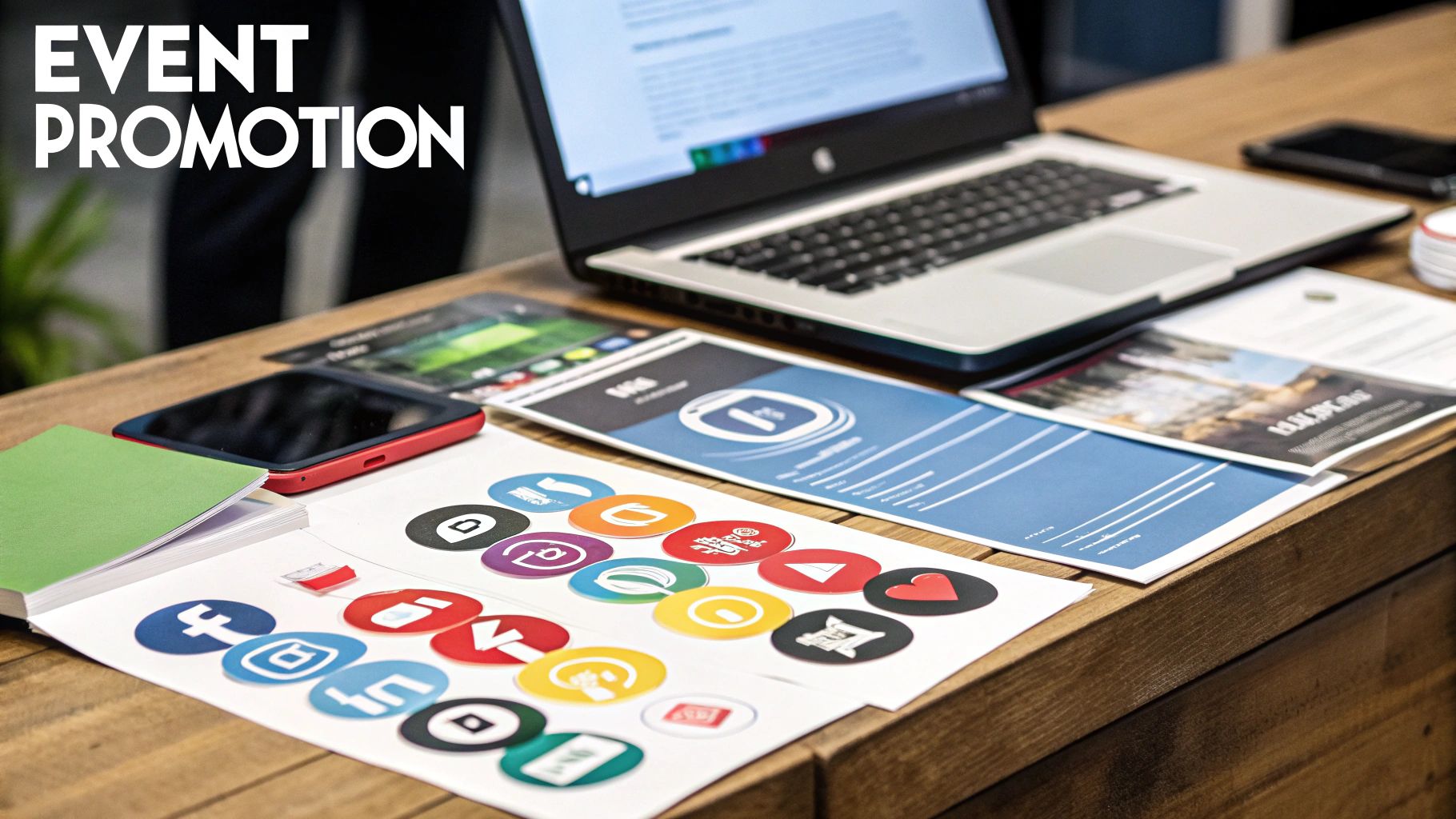
Here’s a hard truth: the event isn’t over when the last balloon pops. In fact, what you do in the hours and days after everyone goes home is what separates a fun day from a genuine sales driver. This is where you convert that crowd of attendees into solid appointments and, ultimately, loyal customers.
A swift, strategic follow-up process capitalizes on the positive energy you just built. If you skip this part, you’re leaving a huge amount of revenue on the table. This is where your automotive event marketing truly pays off.
Launching Your Post-Event Follow-Up
The clock starts ticking the second your event ends. Your first move has to be a timely and personal “thank you” message to every single person who attended. It’s a simple gesture, but it acknowledges their time and keeps your dealership top-of-mind.
But a generic “thanks for coming” email won’t get you far. This is why capturing lead data on-site is so critical. You need to segment your follow-up based on exactly how each guest engaged with your team.
- Hot Leads: Anyone who took a test drive, filled out a credit app, or had a deep conversation with a salesperson. These folks need immediate, personal outreach.
- Warm Leads: Guests who signed up for a giveaway, spent a lot of time at an interactive display, or asked specific questions about a model. They’ve shown you they’re interested.
- Browsers: Attendees who checked in but didn’t engage much further. They’re still valuable and should be nurtured, but with a softer, less direct approach.
This segmentation is everything. It allows you to tailor your communication perfectly. Hot leads should get a phone call from a sales manager within 24 hours. Browsers might get an email with a link to your current inventory and a heads-up about your next community event.
A common mistake is lumping every attendee together. A guest who test-drove a truck needs a completely different conversation than a family who came for the free car seat safety clinic. Personalization proves you were paying attention and will dramatically boost your response rates.
For a deeper look at crafting messages that actually get opened and acted on, check out our complete guide to automotive email marketing. It’s packed with strategies you can apply directly to your post-event campaigns.
Measuring What Really Matters
To prove your event was a win and to get smarter for the next one, you absolutely have to track the right metrics. Moving beyond simple attendance numbers is how you demonstrate real return on investment (ROI).
Your leadership team doesn’t just want to know how many hot dogs you served. They want to see how the event impacted the bottom line.
Key Performance Indicators (KPIs) for Event Success:
| Metric | What It Tells You | How to Calculate It |
|---|---|---|
| Cost Per Lead (CPL) | The efficiency of your marketing spend. | Total Event Cost / Total Number of Leads Captured |
| Appointment Set Rate | The effectiveness of your follow-up process. | (Appointments Set / Total Leads) x 100 |
| Event Show Rate | The quality of your appointments. | (Appointments Kept / Appointments Set) x 100 |
| Sales Attribution | The direct revenue generated by the event. | Total Sales to Event Attendees within a set timeframe. |
Tracking these numbers gives you the hard data you need to justify every dollar spent. When you can walk into a planning meeting and say, “Our last event cost $5,000, generated 150 leads at a CPL of $33, and resulted in 12 vehicle sales,” you’re speaking a language every general manager understands.
This data-driven approach turns your automotive event marketing from a simple expense into a predictable, profitable investment. It gives you a clear framework for refining your strategies, optimizing your budget, and making sure every future event is even more successful than the last.
Frequently Asked Questions About Automotive Events
Even with the best plan in place, questions are going to pop up. I see it all the time. Dealerships of every size are trying to figure out how to master modern event marketing, so you’re definitely not alone. Let’s dig into some of the most common questions I hear and give you some clear, no-nonsense answers.
How Often Should My Dealership Hold an Event?
This is a big one. There’s no magic number, but I’ll tell you what works: consistency over sheer frequency. Trying to pull off a massive, high-effort event every single month is a surefire recipe for burning out your team and wearing out your audience. The better play is to focus on quality, not quantity.
A great rhythm for most dealerships is one major themed event per quarter. This gives you enough runway to plan it right, promote it effectively, and execute without cutting corners. You can always sprinkle in smaller, more targeted get-togethers between the big ones.
Think of it like this:
- Q1: A “Tax Season Kickstart” event focused on helping customers use their refunds for a down payment.
- Q2: A “Summer Family Safety Clinic” with free car seat checks and maybe a local ice cream truck.
- Q3: An “End-of-Model-Year” showcase to move last year’s inventory.
- Q4: A “Holiday Toy Drive” that builds community goodwill while showcasing your year-end deals.
This kind of cadence keeps your dealership top-of-mind without making your marketing feel like noise.
How Can We Stand Out in a Competitive Market?
Standing out today means you have to completely ditch the generic “tent sale” playbook. Let’s be honest, your competitors are probably still stuck on just slashing prices. Your real advantage is in creating an experience—something that gives people a reason to visit beyond a sales pitch.
Get creative and tap into your community. Instead of another “blowout,” why not host a “Trunk-or-Treat” event in October? Or what about partnering with a local animal shelter for a “Paws & Petrol” adoption day? These ideas generate genuine positive buzz and bring people to your lot who might not have come otherwise. That kind of brand connection is priceless.
The most unique events often have little to do with selling cars directly. They focus on building relationships. When customers associate your dealership with positive community experiences, you become their first choice when it’s time to buy.
Can a Smaller Dealership Really Do This?
Absolutely. In fact, smaller, independent dealerships often have a secret weapon: agility and a real, authentic connection to the local community. You don’t need a six-figure budget to make a huge impact.
You just have to start small and be smart about it:
- Lean on partnerships: Team up with other local businesses. A popular coffee shop, brewery, or food truck can bring their own built-in audience to your event.
- Get hyper-local with ads: Use social media ads to target just a handful of zip codes right around your store. Your ad spend goes so much further that way.
- Focus on high-value, low-cost activities: A free car seat safety clinic, for example, costs you very little but provides tremendous value to young families in your area.
The goal isn’t to outspend the big dealer groups; it’s to out-think them. Being authentic and community-focused is a powerful strategy that money alone can’t buy. For more ideas that work for any budget, check out our deep dive into dealership sales events and how to make every dollar count.
At Willowood Ventures, we specialize in creating high-impact Facebook Sales Events that drive hundreds of qualified buyers directly to your showroom floor. Our turn-key solution handles everything from targeted ads to BDC support, delivering measurable ROI and transforming online buzz into real sales. See how our strategy can work for your dealership at https://www.willowoodventures.com.