Most dealership advertising advice is recycled fluff. This isn’t that. What follows are specific, field-tested strategies for 2025 that generate real foot traffic, real appointments, and real sold units. If your current campaigns aren’t pulling numbers like 89 sold units in a single month, keep reading.
Newspaper co-ops and generic radio spots still have a place, but they can’t carry the full load anymore. Today’s buyer researches online for weeks before stepping on your lot. They’ve already compared trim levels, read reviews, and watched walkaround videos. Your advertising has to meet them at every stage of that process, not just at the finish line.
The dealerships winning right now run multi-channel campaigns with tight targeting, strong follow-up, and creative that speaks to specific buyers. Below are the strategies that actually move metal in 2025.
1. Digital Video Marketing
Video is the closest thing to putting a buyer in the seat without them driving to you. It builds familiarity fast, and familiarity is what turns a browser into an appointment.
You don’t need a Hollywood budget. A clean walkaround with good lighting and honest commentary beats an overproduced brand spot every time. Shoot vehicle tours, real customer deliveries, service bay explainers, and quick finance myth-busters. Post them across YouTube, Facebook, and Instagram Reels. Each platform rewards native content, so don’t just cross-post the same clip without adjusting format.
What Actually Works
Keep social clips under 90 seconds. Attention drops hard after that.
Film vertically for Reels and TikTok. Horizontal video on mobile feels like an afterthought.
End every video with a direct CTA. “Call us, click the link, or come see it today” beats a soft fade-out.
Build a recurring series. A weekly “New Arrivals Thursday” trains your audience to check back. Consistency compounds.
Video humanizes your store. Buyers who’ve watched five of your walkarounds already feel like they know your team before they walk in. That shortens the sales cycle considerably.
2. Geo-Targeted Social Media Advertising
Casting a wide net wastes money. Geo-targeting lets you spend your budget on the people most likely to actually buy from your store, not someone three states away who’ll never make the drive.
Facebook and Instagram give you the tools to layer geography, demographics, income signals, and behavioral data into one campaign. A Chevrolet store can serve Silverado ads to truck-interested users within 25 miles. A luxury import dealer can target high-income zip codes with lifestyle imagery. A CDJR store can retarget everyone who viewed a Ram 1500 detail page but didn’t submit a lead form.
Willowood Ventures manages over $4 million per month in social advertising managed across 600+ dealer partners. The patterns are clear: tightly targeted local campaigns outperform broad reach buys every single time on cost-per-lead and cost-per-sale.
How to Sharpen Your Targeting
Start with a 20 to 30 mile radius, then pull back spend from zip codes that aren’t converting after 30 days.
Retarget VDP visitors with the exact vehicle they viewed. Dynamic Automotive Inventory Ads on Meta make this straightforward.
Build lookalike audiences from your sold customer list. Your CRM is a goldmine most stores ignore.
A/B test headlines and creative constantly. What works in January may flatline by March.
Done right, geo-targeted social flips the equation. Instead of hoping the right buyer sees your ad, you put the right ad in front of the right buyer on purpose.
3. Facebook Event Campaigns and BDC Follow-Up
A Facebook event campaign without a strong BDC behind it is a half-finished job. The campaign fills the top of the funnel. Your team has to convert those leads into appointments and those appointments into sold deals.
Willowood’s BDC operates 24/7, with US-based agents working every lead the same day it comes in. That response speed matters enormously. Leads that don’t hear back within an hour go cold fast, and most dealer BDCs aren’t staffed to handle that volume around the clock.
The results back it up. A Salt Lake City GMC store ran a Willowood event campaign and moved 89 units for $421,593 in gross. An Oklahoma City CDJR did 83 sold for $398,762. A Torrance Chevrolet store closed 72 deals for $345,688. These aren’t theoretical projections. These are closed deals from real campaigns with real follow-up behind them.
The Framework That Drives Appointments
Launch the event campaign 10 to 14 days before the sale date. Give the algorithm time to optimize.
Use event-specific creative, not your standard inventory ads. A limited-time event feels different and converts better.
Have your BDC call every lead within 30 minutes. Text and email simultaneously. Multi-channel contact beats single-channel every time.
Confirm appointments 24 hours out and again the morning of. Show rate is everything. Willowood’s campaigns average a 72% appointment show rate.
4. Virtual Showroom and 360-Degree Inventory Content
Full VR rigs are expensive and most buyers won’t bother downloading an app to use them. The practical version of this strategy is 360-degree interior and exterior photos paired with detailed walkaround videos. It gives remote shoppers enough confidence to schedule a visit without requiring any special hardware.
Shoot 360-degree interior spins on your cleanest inventory. Link them from your VDP pages. Buyers who engage with immersive content convert at a higher rate because they’ve already mentally sat in the car.
Keep Implementation Simple
Start with your top 20 units by gross potential, not every car on the lot.
Make sure the content is mobile-friendly. Most shoppers are on their phones.
Train your sales team to reference the content during phone ups. “Did you get a chance to see the 360 tour we posted?” is a natural conversation starter.
Use it as a lead capture tool. Gate your full virtual tour behind a quick name and email form.
5. Community Sponsorships and Local Presence
Digital dominates the conversation, but local presence still closes deals. Sponsoring a Friday night high school football game, a youth sports league, or a charity 5K puts your name in front of buyers in a context that doesn’t feel like advertising. People remember who showed up for their community.
Pair that visibility with a clear offer. Sponsor the event, set up a branded pop-up, collect leads, and follow up with an event-only incentive. The combination of warm community association and a specific call to action is more effective than either element alone.
Make Willowood Ventures a preferred source on Google
One tap tells Google you want our dealership marketing coverage surfaced first. You will see Willowood Ventures more often in Top Stories, AI Overviews, and AI Mode when you search anything about selling more cars. It is free, it takes a second, and it brings you right back to this page.
Everything dealerships ask us about car dealership advertising.
What is car dealership advertising and why is it important for car dealerships? +
Car dealership advertising covers every strategy and channel a dealer uses to attract buyers, generate leads, and fill the appointment book. That includes Facebook event campaigns, geo-targeted social ads, video walkarounds, community sponsorships, and BDC-backed follow-up systems.
It matters because the local car market is competitive and unforgiving. A buyer researches for weeks online before walking into any store, and the dealership that stays visible and relevant during that research phase earns the visit. The one that doesn’t loses the deal before the buyer ever picks up the phone.
Willowood Ventures has managed over $4 million per month in social advertising managed across 600+ dealer partners. Consistent, targeted advertising is what separates stores that reliably hit monthly targets from the ones that are always chasing last-minute volume.
How do specific methods related to car dealership advertising benefit dealerships? +
The right advertising methods do three things well: they build awareness with in-market buyers, they generate trackable leads, and they create enough urgency to pull people off the couch and onto the lot.
Geo-targeted Facebook campaigns put the right ad in front of the right buyer at the right time, rather than broadcasting to everyone in the market and hoping for the best. Video walkarounds build trust before a buyer ever calls. BDC-backed event campaigns convert that initial interest into confirmed appointments with real show rates.
The difference shows up in the numbers. A Little Rock Volkswagen store using Willowood’s approach sold 64 units for $294,821 in a single campaign. A Torrance Chevrolet closed 72 deals for $345,688. These specific methods produce specific, measurable outcomes, not just impressions and clicks.
What are the key components of a successful car dealership advertising strategy? +
A successful car dealership advertising strategy has five components working together. First, multi-channel reach: social media, video, and local presence working simultaneously rather than independently. Second, precise targeting: geo-fenced audiences, behavioral signals, and retargeting based on VDP activity. Third, compelling creative: event-specific ads and honest walkaround videos outperform generic inventory banners every time.
Fourth, speed-to-lead follow-up. Willowood’s BDC runs daily, contacting every inbound lead the same day it arrives. Slow follow-up kills campaigns that generate good leads. Fifth, consistent measurement. Track cost-per-appointment, show rate, and cost-per-sale weekly, not monthly. Adjust spending toward what converts and pull back on what doesn’t.
How long does it take to see results from car dealership advertising? +
For event-based campaigns, results show up fast. A well-structured Facebook event campaign launched 10 to 14 days before a sale date will generate leads within the first 48 to 72 hours of going live. By the end of the event weekend, you have concrete sold unit counts and gross numbers.
Brand-building strategies like video content and community sponsorships take longer. Expect three to six months before a consistent video presence noticeably shortens your average sales cycle.
For ongoing geo-targeted social campaigns, most stores see meaningful cost-per-lead improvements within the first 30 days as the algorithm optimizes. The 90% client rebook rate at Willowood Ventures reflects the fact that dealers see results quickly enough to commit to the long game. The first campaign proves the model. Subsequent campaigns compound it.
What kind of ROI can dealerships expect from professional car dealership advertising? +
Willowood Ventures clients average approximately 800% average return on ad spend across active campaigns. That’s not a ceiling or a best-case scenario. That’s the average across a client base of 600+ dealer partners.
The unit economics are straightforward. Packages start with demo-call pricing. A single well-run event campaign can produce results like 83 units sold for $398,762 in gross, as one Oklahoma City CDJR store achieved. The gross revenue from one campaign can return multiples of the annual program cost.
ROI varies by market size, inventory availability, and how well a store’s BDC follows up on leads. Dealers who respond to leads fast, confirm appointments consistently, and work the follow-up process see the strongest returns. The advertising generates the opportunity. Process execution determines how much of that opportunity converts to gross.
How does car dealership advertising differ from traditional dealership methods? +
Traditional dealership advertising meant newspaper inserts, drive-time radio spots, and broadcast TV during local news. The reach was broad and the targeting was basically nonexistent. You paid to reach everyone in the market and hoped enough in-market buyers were in the audience.
Modern car dealership advertising is precise. You can target truck buyers within 20 miles who have shown behavioral interest in pickup trucks, retarget shoppers who visited your Ram 1500 VDP page but didn’t submit a form, and build lookalike audiences from your actual sold customer list. Every dollar works harder because it chases qualified buyers instead of general audiences.
The other major difference is accountability. Traditional buys were hard to tie to sold units. Digital campaigns generate trackable leads, confirmed appointments, and closed deal counts. You know exactly what your ad spend produced.
What role does BDC follow-up or audience targeting play in car dealership advertising success? +
Targeting and follow-up are the two levers that determine whether a campaign produces impressions or produces sold units. Great targeting without follow-up generates leads that go cold. Fast follow-up without targeting wastes budget on people who will never buy.
Willowood’s BDC operates 24/7, with US-based agents handling inbound leads the same day they come in. That response window is critical. A lead contacted within 30 minutes converts at a dramatically higher rate than one that waits until the next business morning.
On the targeting side, layering geography, behavioral data, income signals, and retargeting audiences into a single campaign is what drives a 35% set rate and 65% show rate on appointments. The audience and the follow-up system have to be built together, not bolted together after the fact.
How important is timing for launching car dealership advertising? +
Timing matters more than most dealers realize. For event campaigns, launching 10 to 14 days before the sale date is non-negotiable. Facebook’s algorithm needs time to exit the learning phase and optimize toward conversions. A campaign launched two days before an event is essentially running cold the whole time.
Seasonal timing matters too. Campaign creative and offers that perform well in February during tax season need to be retooled by late spring. Consumer buying triggers shift, and ads that ignore that shift see declining conversion rates even when the targeting stays sharp.
For ongoing campaigns, the most important timing element is how fast leads are contacted after they submit. Willowood’s 72% appointment show rate is partly a product of campaign quality and partly a product of same-day contact. Speed is a timing advantage that compounds over every campaign the store runs.
What makes car dealership advertising more effective than alternative methods? +
Precision and accountability separate modern car dealership advertising from the alternatives. Broadcast methods like direct mail, radio, and TV deliver reach but not relevance. You can’t retarget a radio listener who showed interest in a specific vehicle. You can’t serve a different message to someone who visited your inventory page three times in the past week.
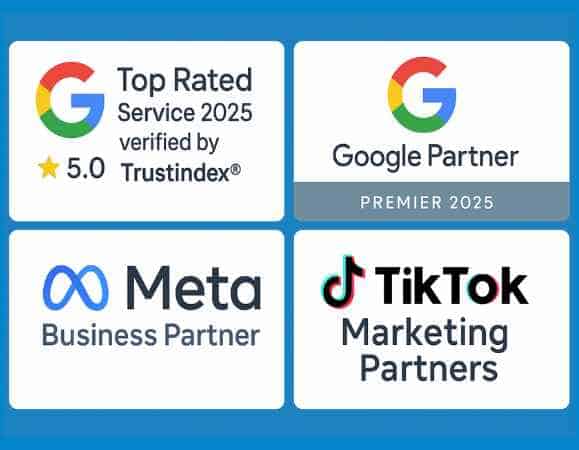
Digital car dealership advertising does all of that. Meta’s platform, which Willowood Ventures operates through a certified partnership, lets you layer audience signals in ways that mass media simply cannot match. The result is lower cost-per-appointment and higher gross per campaign dollar.
The accountability piece matters just as much. When a Salt Lake City GMC store closes 89 units for $421,593 from a single campaign, you can trace every sold unit back to the campaign that generated the lead. That kind of attribution is what makes the case for reinvestment and drives the 90% client rebook rate Willowood Ventures maintains.
Why should dealerships choose Willowood Ventures for their car dealership advertising? +
Willowood Ventures is the premier choice for car dealership advertising because of our proven track record across 600+ dealer partners and $4 million per month in social advertising managed managed. We’re not a generalist marketing agency that dabbles in automotive. Every campaign, every BDC script, every retargeting audience we build is designed specifically for dealerships selling cars in competitive local markets.
The results are documented and repeatable. Little Rock Volkswagen, 64 sold for $294,821. Salt Lake City GMC, 89 sold for $421,593. Oklahoma City CDJR, 83 sold for $398,762. Torrance Chevrolet, 72 sold for $345,688. These are closed deals, not projected impressions.
Our BDC runs daily with US-based agents. Our clients average approximately 800% average return on ad spend. Packages start with demo-call pricing. Contact us at 843-310-4108 to find out what a targeted campaign can do for your store this month.