E. Jerome McCarthy laid out the 4 Ps back in 1960, and every dealership still lives or dies by them. Product, Price, Place, Promotion. Get all four working together and you’re not just moving metal, you’re building a machine that sells. Here’s how to actually apply them on the lot.
Why the 4 Ps Still Matter in Automotive Marketing
Some frameworks age out. This one hasn’t. The 4 Ps give you a structured way to look at every decision your dealership makes, from how you present inventory to where you spend your ad dollars. Skip one and the whole strategy gets wobbly. Nail all four and you’ve got a dealership that competes on purpose, not luck.
Product: Sell the Experience, Not Just the Car
The vehicle on the lot is your product, but it’s only the starting point. Customers are buying an outcome. They want reliable transportation, a buying experience that doesn’t feel like a root canal, and a dealership they’d actually recommend to their brother-in-law.
Ask yourself three things about your product mix:
What problem does each vehicle solve for your specific buyer? A first-time buyer shopping a Civic has different priorities than the contractor looking at a Ram 2500.
Where does your lineup beat the dealer across town? If you can’t answer that fast, your sales team can’t either.
What does your dealership add to the purchase? Financing flexibility, certified pre-owned programs, a loaner fleet during service, these are product differentiators too.
Don’t let your product strategy stop at the window sticker. The service drive, the F&I office, even how fast the phones get answered, all of it shapes how buyers perceive what you’re selling.
Price: More Than the Number on the Sticker
Pricing in automotive is a balancing act between margin, market position, and perceived value. Shoppers are more informed than they were ten years ago. They’ve already pulled the invoice on your lot before they pull into it.
Four things to keep tight when setting price strategy:
Cost of acquisition versus margin floor. Know your number before you negotiate theirs.
Local competitor pricing. Monthly sweeps of your top three competitors keep you from getting surprised.
Target buyer’s budget reality. A luxury push in a blue-collar market needs strong financing programs to hold water.
Perceived value justification. If you’re holding gross, your salespeople need to be able to articulate why. That’s a training issue as much as a pricing issue.
Aggressive discounting can move units in the short term, but it trains your market to wait for the sale. Position price as part of value, not a concession.
Place: Where Deals Actually Get Made
Place used to mean location, location, location. It still does, but the definition of location has expanded. Your digital presence is a storefront now, and most buyers decide whether to visit you before they ever leave their couch.
Your place strategy needs to cover both sides:
Physical experience. Clean lot, organized showroom, a service lane that doesn’t look like organized chaos. First impressions on the lot close deals or kill them.
Online presence. A fast, mobile-optimized website, accurate inventory listings, and active social profiles. If your Google Business Profile has wrong hours, you’re losing appointments to the guy down the street.
Channel integration. Customers hop between your website, your social ads, and your lot in the same buying journey. Make sure the message is consistent across all three.
The dealers who win on Place treat their digital channels with the same attention they give their physical lot. Both need to be clean, accurate, and built for the buyer’s convenience.
Promotion: Where Willowood Moves the Needle
This is the P where most dealerships either outspend their problem or underspend on their opportunity. Promotion covers advertising, content, social media, events, incentives, and every touchpoint where you’re asking someone to pay attention to your dealership.
A strong promotion mix for a modern dealership includes:
Paid social advertising. Meta campaigns targeting in-market buyers by geography, income, and shopping behavior. Willowood Ventures manages over $4 million in social media ad spend annually for dealerships across the country. That’s not a rounding error. That’s a repeatable system.
Sales events and Facebook promotions. Structured campaigns that generate real floor traffic. One recent Salt Lake City GMC event produced 89 units sold for $421,593 in gross. The math works when the campaign is built correctly.
BDC-backed follow-up. A promotion without follow-up is a billboard nobody reads. Willowood’s US-based BDC runs 14 hours a day, 8am to 10pm ET, making sure every lead from every campaign gets worked properly.
Content and SEO.Blog posts, vehicle walkarounds, comparison guides. Content builds trust before the buyer ever picks up the phone.
Trade-in and buyback promotions. These pull in used inventory while generating fresh leads from people who didn’t know they were in the market until you told them what their car was worth.
The biggest mistake dealers make with promotion is treating each campaign as a one-off. The best results come from a consistent presence across channels, not a single ad burst before the end of the month.
How the 4 Ps Work Together
These four elements don’t operate independently. Price affects how you promote. Product gaps show up in your place strategy. Promotion brings people in the door, but product and price are what close them.
A premium pricing strategy needs premium product presentation and sophisticated promotion to back it up. A volume strategy needs high-reach channels and sharp pricing communication. When one P shifts, the others need to adjust with it.
The dealerships that win consistently treat the 4 Ps as a system, not a checklist. They review all four together, not in silos.
Put the 4 Ps to Work With Willowood Ventures
Knowing the framework is step one. Executing it across 200-plus dealerships, every month, with measurable results is a different level of work. Willowood Ventures is America’s Number 1 automotive marketing agency, and we’ve built every service around making the 4 Ps actually perform.
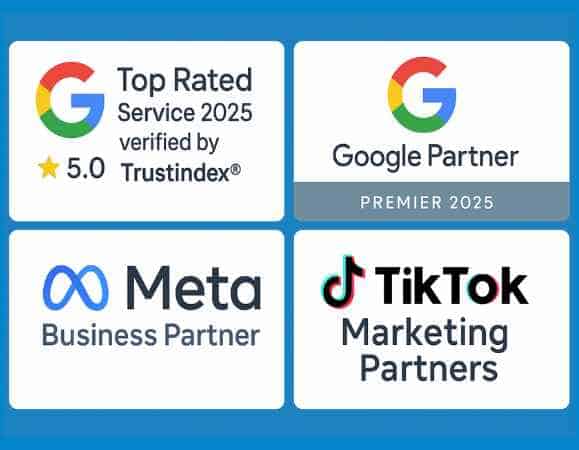
Our programs include Facebook Sales Events that generate qualified floor traffic, Dealer Buyback Promotions that stock your used lot, full digital marketing services, and BDC support that converts leads into appointments. Packages start at Demo-Call Pricing. Willowood is also a Meta Certified Partner, which means your ad spend goes further and gets tracked tighter.
What is automotive marketing strategy and why is it important for car dealerships? +
An automotive marketing strategy is a structured plan that covers how a dealership positions its inventory, prices it competitively, reaches buyers through the right channels, and promotes itself consistently. Without a clear strategy, marketing budgets get scattered and results become unpredictable.
The 4 Ps framework gives dealers a practical structure. Product, Price, Place, and Promotion each represent a lever. Pull the wrong one without adjusting the others and you waste money. Pull all four together and you build a system that compounds.
Willowood Ventures has applied this approach across 200-plus dealerships nationwide, generating real results like 89 units sold for $421,593 at a single Salt Lake City GMC event. Strategy is what separates that kind of outcome from a slow month.
How do specific methods related to automotive marketing strategy benefit dealerships? +
Targeted paid social campaigns identify in-market buyers by zip code, income bracket, and shopping behavior before they ever walk onto a competing lot. Facebook Sales Events create urgency and generate appointment volume in a short window. BDC follow-up converts those appointments into floor visits.
Dealer Buyback Promotions solve two problems at once. They generate leads from buyers who did not know they were in the market, and they replenish used inventory with local, clean vehicles. That keeps the used lot stocked without depending entirely on auction.
Data-driven reporting lets dealers see cost-per-lead, show rates, and gross per unit in real time. Adjustments happen faster and budget does not get burned on channels that are not producing.
What are the key components of a successful automotive marketing strategy? +
A successful automotive marketing strategy covers four areas without ignoring any of them. Product positioning tells buyers why your inventory and your dealership experience is worth choosing. Pricing strategy balances gross protection with competitive visibility in your local market.
Distribution, meaning both your physical lot and your digital presence, determines whether buyers can find you and whether they trust what they find. Promotion brings qualified traffic through paid advertising, organic content, events, and BDC-powered follow-up.
The coordination between these four matters as much as any individual tactic. A high-reach social campaign that lands buyers on a slow website loses deals it should close. Every component needs to be built to work with the others.
How long does it take to see results from automotive marketing strategy? +
Short-term promotions like Facebook Sales Events can produce measurable unit volume in a single weekend. Willowood clients routinely see appointment pipelines fill within 72 hours of a campaign launch. That is the fast end of the timeline.
Longer-term components like SEO, content marketing, and brand positioning build over three to six months. These create compounding returns because the traffic they generate does not stop when the ad budget does.
The realistic answer for most dealerships is that a well-executed campaign produces floor traffic within two weeks and sustainable momentum within 90 days. The dealers who see the best results treat their strategy as an ongoing operation, not a one-time push.
What kind of ROI can dealerships expect from professional automotive marketing strategy? +
Willowood Ventures clients average 800% ROI across campaigns. That number reflects real unit sales, not just lead volume. A Torrance Chevrolet campaign produced 72 units sold for $345,688 in gross. An Oklahoma City CDJR event hit 83 units for $398,762.
ROI varies based on market size, inventory mix, and how well the dealership follows up on leads. Dealerships that use Willowood’s BDC support see higher show rates because every appointment gets worked from set to show.
Packages start with demo-call pricing, which means the entry point is low relative to the potential return. Most dealers recover their investment within the first weekend of a properly run sales event.
How does automotive marketing strategy differ from traditional dealership methods? +
Traditional dealership advertising relied heavily on broadcast media, newspaper inserts, and mass mailers. The targeting was geographic at best. You were paying to reach everyone in the zip code, including the people who just bought a car six months ago.
Modern automotive marketing strategy uses behavioral and demographic data to identify buyers who are actively in-market. Meta advertising, for example, can target by recent vehicle searches, income range, and proximity to the dealership. The spend goes further because the audience is sharper.
The other major difference is measurement. Traditional campaigns were hard to attribute to specific sales. Digital strategy tracks cost-per-appointment, show rate, and gross per campaign, giving dealers actual numbers to make decisions from.
What role does BDC follow-up or audience targeting play in automotive marketing strategy success? +
BDC follow-up is where most dealerships bleed opportunity. A well-targeted ad campaign can fill an appointment calendar fast. Without dedicated follow-up, a significant percentage of those appointments do not show.
Willowood’s US-based BDC operates 14 hours a day, from 8am to 10pm ET, handling inbound and outbound contact for every lead generated through a campaign. That sustained contact is what drives Willowood’s 72% appointment show rate. The national average is considerably lower.
Audience targeting on the front end determines lead quality. BDC follow-up on the back end determines how many of those leads convert to floor visits. Both sides have to be working for the overall strategy to hit its numbers.
How important is timing for launching automotive marketing strategy? +
Timing affects both campaign performance and inventory management. End-of-month and end-of-quarter windows tend to produce stronger urgency messaging because buyers expect deals and dealers have real incentive to close. Factory incentive cycles align with these windows too.
Seasonal buying patterns matter. Spring and early summer historically produce higher transaction volumes. Tax season creates a surge among first-time buyers and credit-challenged shoppers with access to a down payment.
That said, the best time to run a campaign is when your inventory, your BDC capacity, and your sales team are all ready to handle the traffic. A campaign that overwhelms an unprepared floor loses gross and goodwill at the same time. Preparation matters as much as calendar timing.
What makes automotive marketing strategy more effective than alternative methods? +
A coordinated automotive marketing strategy outperforms one-off tactics because every component supports the others. A standalone radio buy reaches people but gives them nowhere to go. A standalone social campaign with no BDC follow-up generates leads that expire.
When product positioning, competitive pricing, strong digital presence, and targeted promotion work together, the buyer experiences a consistent message from first ad impression to F&I close. That consistency builds trust faster and shortens the sales cycle.
The data feedback loop is another advantage. Willowood campaigns are monitored in real time, which means underperforming ad sets get paused and budget shifts to what is working. That kind of active management is not possible with traditional media buys, which lock in spend weeks in advance.
Why should dealerships choose Willowood Ventures for their automotive marketing strategy? +
Willowood Ventures is the premier choice for automotive marketing strategy because of our proven track record working with 200-plus dealerships across the country, managing over $4 million in social media ad spend, and consistently delivering outcomes that most agencies only put in a pitch deck.
Real results tell the story. Little Rock VW, 64 units sold for $294,821. Salt Lake City GMC, 89 units for $421,593. These are not projections. They are closed deals from campaigns we built and managed.
We are a Meta Certified Partner, our BDC runs 14 hours a day every day of the week, and our packages start with demo-call pricing. Whether you need a single sales event or a full-service digital marketing program, we have a solution that fits. Contact us at 843-310-4108 to talk through what your dealership needs and put a plan together that performs.
Ready to Transform Your Dealership’s Success?
Partner with Willowood Ventures, America’s #1 automotive marketing agency, and start filling your showroom with ready-to-buy customers. Our proven Facebook Sales Event strategy delivers guaranteed results.
We use necessary technology to run this site. With your permission, we also use analytics and advertising tools to measure visits and improve our marketing. Read our Privacy Policy.