
Google Vehicle Ads for Dealerships: What They Are and Who Needs One
Google Vehicle Ads put your actual cars, with photos and prices, in front of shoppers at the exact moment they search. For the right store they are some of the most efficient spend on the lot. For the wrong one they are a feed headache. ELITE DEALER SERVICES is how to tell which you are.
Most dealership ad spend is built around messages: a payment offer, a brand campaign, an event. Google Vehicle Ads work differently. They advertise the inventory itself. Before you add them to the mix, it is worth understanding exactly what they do and what they ask of you.
What Google Vehicle Ads are
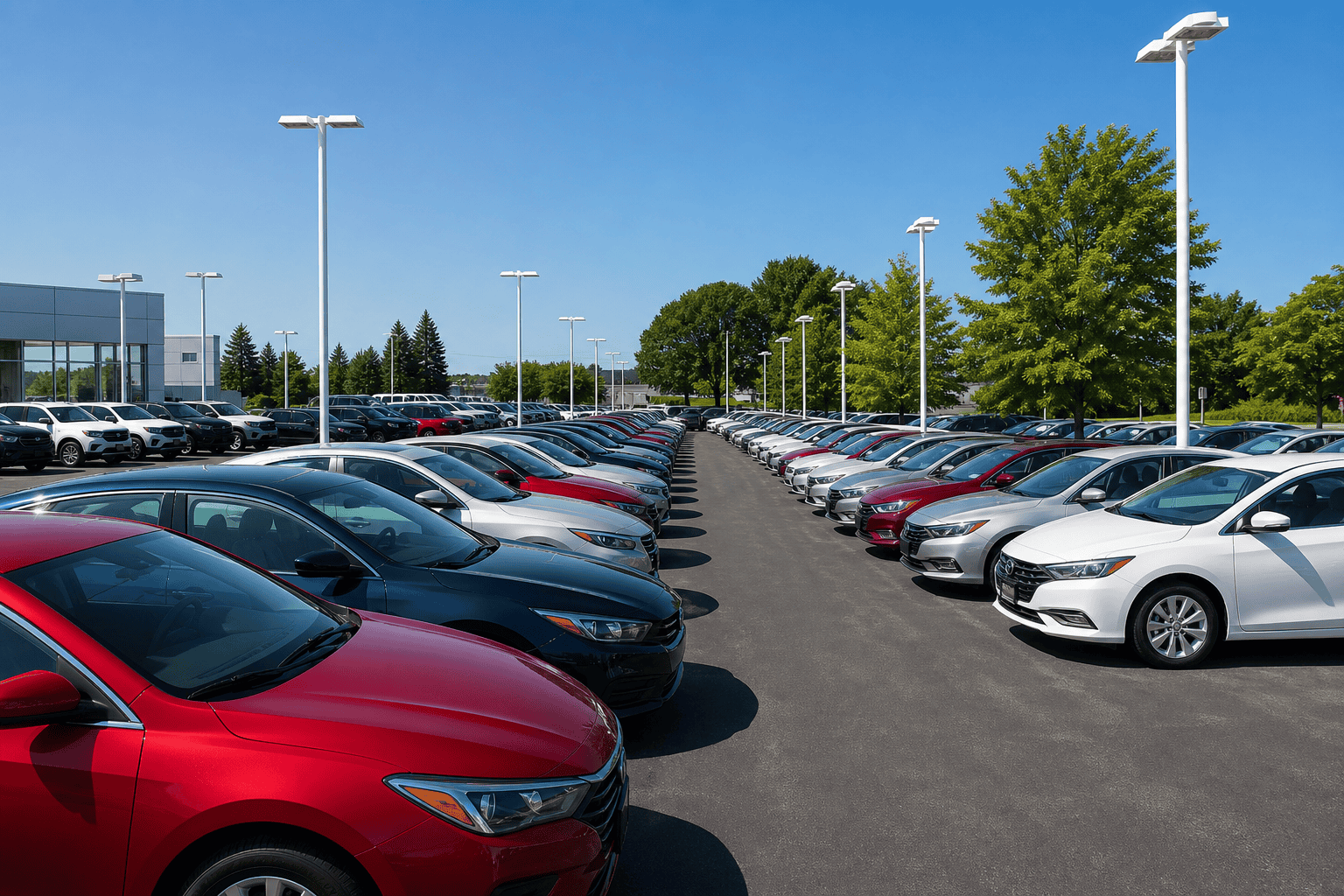
Google Vehicle Ads are an inventory-led ad format. Instead of a written ad, the buyer sees a specific vehicle from your lot: a photo, the year, make, and model, the price, the mileage, and your dealership name. When a shopper searches for a vehicle that matches something you actually have in stock, Google can surface that exact unit. The buyer is looking at a real car they could come drive today, not a generic offer.
How they differ from search and display
A standard search ad is text competing for a click on a keyword. A display ad is a banner chasing a buyer around the internet. Vehicle Ads sit lower in the funnel than either. The shopper is already looking for a specific kind of car, and you are answering with a specific car. That precision is the strength. The buyer who clicks a Vehicle Ad is close to the bottom of the funnel, which is why these ads tend to convert efficiently when they are set up correctly.
What they require to run
This is the part dealers underestimate. Vehicle Ads run off an inventory feed. Google has to receive an accurate, current data file of your stock, with clean photos, correct pricing, and correct vehicle details, and that feed has to stay accurate as units sell and arrive. If your feed is messy, your photos are missing, or your pricing is stale, the ads either get rejected or advertise cars you no longer have. Vehicle Ads reward a store with disciplined inventory data and frustrate one without it.
Which dealers benefit most
The best fit is a store with real inventory depth, clean merchandising, and accurate, well-photographed listings. A used-car operation with a deep, well-presented lot can do very well, because there is always matching stock for a search to land on. A store with thin inventory, weak photos, or sloppy feed data will struggle, because the ads have little to show and what they do show looks unconvincing. Vehicle Ads amplify the state of your inventory data. They do not fix it.
Where they fit in the funnel
Vehicle Ads are a lower-funnel tool. They catch demand that already exists, the buyer who has decided what they want and is searching for it. They are very good at that and not built for anything else. They do not create new demand, and they do not work a lead into a confirmed appointment. That is why they pair naturally with a higher-funnel demand engine. A Facebook Sales Event from Willowood Ventures creates fresh demand and books confirmed appointments through a live BDC, while Vehicle Ads capture the buyers already searching. Run together, they cover the funnel from interest to in-stock.
The bottom line
Google Vehicle Ads are efficient lower-funnel spend for a dealer with the inventory depth and clean data to support them. If your feed and photos are not in order, fix that first or the ads will work against you. And remember they only capture existing demand. To build the demand that fills the top of the funnel and lands as confirmed appointments, call Willowood Ventures at 843-310-4108 or book a 10-minute demo.
Make Willowood Ventures a preferred source on Google
One tap tells Google you want our dealership marketing coverage surfaced first. You will see Willowood Ventures more often in Top Stories, AI Overviews, and AI Mode when you search anything about selling more cars. It is free, it takes a second, and it brings you right back to this page.
Button not loading? Add willowoodventures.com as a preferred source here.
Frequently Asked Questions
Everything dealerships ask us about google vehicle ads.
Ready to Transform Your Dealership’s Success?
Partner with Willowood Ventures, America’s #1 automotive marketing agency, and start filling your showroom with ready-to-buy customers. Our proven Facebook Sales Event strategy delivers Set Appointments, not promises.