
I need to find a natural place to link to “Automotive Social Media Marketing That Sells in 2026” without duplicating existing links or linking inside headings.
Looking at the body, I’ll find a phrase that naturally relates to automotive social media marketing. The phrase “social media ad spend” or references to social media strategy could work. Let me look for “social media for car dealerships” – already linked. “Automotive Social Media” in the figcaption is already linked.
I’ll use “platform-specific” area or look for another natural anchor. The phrase “coordinated social media approach” in the results section works well, or “social media approach” could link naturally to the related post about automotive social media marketing.
Let me link “social media approach” in the paragraph “Here’s what a coordinated social media approach looks like when it’s executed properly.”
Automotive Dealer TikTok Marketing Agency: Worth Hiring?
An automotive dealer TikTok marketing agency earns the work by proving it can produce useful dealership videos without turning your sales floor into a film set. Start with that test. A polished highlight reel tells you little about who will show up, which vehicles will be ready, or how many corrections the GM will have to make. Your store needs a production operation it can actually support.
This guide helps you judge the agency’s filming plan, usage rights, approval process, and handoff before committing. Use our car dealership social media marketing guide to place TikTok beside your other work. Willowood does not sell TikTok services. We run Facebook Sales Events with a live US-based bilingual BDC. Hire a TikTok specialist for the specific production job, not because its proposal makes every channel sound interchangeable.
Audition an automotive dealer TikTok marketing agency on your lot
Ask for a proposed shoot using a real vehicle you can make available. Give the agency a buyer question, the vehicle’s verified equipment, and the store’s approval contact. Have it return a shot list and a draft script. You are testing whether the team can turn dealership facts into a clear video, not whether it can imitate a popular creator.
Make the plan name the person filming and the person appearing on camera. Ask who supplies equipment, who edits, and who checks the vehicle facts. If the salesperson is expected to do every part, identify what the agency is actually delivering. A remote idea list and an on-site production service are different purchases.
Use the audition to expose operating friction
- Have the agency identify the exact vehicle and confirm it will be available for filming.
- Ask how the shoot works if the salesperson has a customer at the appointment time.
- Require an alternate presenter rather than assuming the GM will step in.
- Check how keys, vehicle movement, and filming locations will be coordinated with the store.
- Ask who removes an inaccurate claim before the video reaches approval.
- Request a draft that remains understandable without relying entirely on the soundtrack.
Walk through the proposed scenes with the sales manager. Keep customers, deal paperwork, and personal information out of the background. Do not interrupt a delivery because a production plan failed to account for the floor. The agency should adapt its work to selling cars.
Judge the sample against the brief. Does it answer the buyer’s question? Is the equipment correct for that vehicle? Can the viewer tell which dealership is speaking? If the answer depends on someone explaining the video afterward, send it back with a specific correction.
Ask a car dealer TikTok marketing agency who owns the footage
Settle ownership before the first shoot. Ask the agreement to identify who owns the account, finished videos, raw footage, captions, and editable project files. State what the store can reuse and what has separate restrictions. Do not assume payment for a finished clip includes every underlying asset.
Ask how music is selected for business use. TikTok’s Commercial Music Library guidance covers commercial sounds for organic and paid content, with selection by region and usable placement. Have the agency document that the selected track fits the intended use. A sound appearing in a popular video is not your dealership’s evidence of permission.
Make the review process specific
- Name the dealership employee who approves vehicle facts and offer language.
- Specify whether the agreed work includes captions, revisions, and alternate edits.
- Define what happens when a featured vehicle sells before publication.
- Require permission records for people intentionally featured in the content.
- Ask whether clips can be reused elsewhere and what rights need separate confirmation.
- Keep the account and recovery details under dealership control.
Separate a creative preference from a factual correction. A request to change the opening shot is different from fixing a false equipment claim. Agree how each is handled so the store does not negotiate accuracy after every edit.
Ask the agency to demonstrate its file handoff. The dealer should be able to locate the approved clip and its associated permissions without contacting a former account manager. A clean folder, clear naming, and an approval record are ordinary operating expectations. They are not premium extras to discover at cancellation.
Decide whether TikTok for car dealerships fits your operating capacity
Before committing to ongoing production, ask whether the store can consistently provide available vehicles, an authorized presenter, and timely factual review. If those inputs are missing, solve that gap in the proposed scope. Buying a larger posting commitment does not create a person willing and able to film.
Use the audition to make the decision. Accept the provider when the agreed work arrives in usable form and the operating burden matches what the store accepted. Ask for a revised scope when the production work is useful but the staffing assumptions are wrong. Decline when the proposal depends on responsibilities nobody will own.
Traffic doesn’t find you. You go get it.
Choose the tool for the immediate job. If the need is a focused appointment campaign rather than ongoing TikTok production, review a Facebook Sales Event. Willowood builds a custom event page and runs time-limited Facebook and Instagram advertising with 10 to 20 ad creatives per event. Its live US-based BDC works 24/7/365 in English and Spanish, with average response time under 3 minutes.
That bilingual appointment operation does not include TikTok account management or filming. Keep both scopes honest if you buy both services. To see the Facebook event process and decide whether it fits your current showroom need, book a demo or call 843-310-4108.
Most shoppers have already narrowed their list to two or three vehicles before they ever call your store. They built that list scrolling Facebook, watching TikTok walkarounds, and reading Instagram comments. If your dealership isn’t showing up in those moments, a competitor is.
Your Lot Ends at the Curb. Your Social Media Doesn’t.
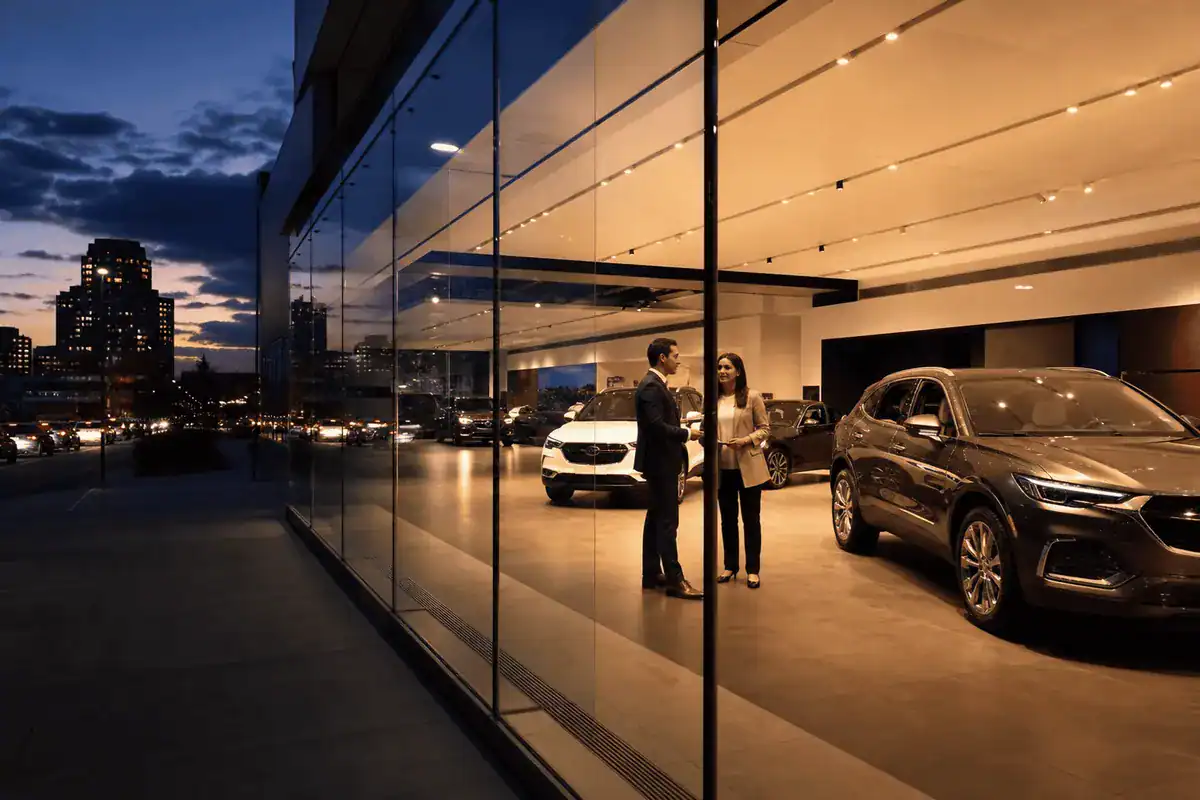
Walk your showroom on a slow Tuesday and count the floor ups. Now think about the thousands of people in your market actively researching a purchase right now, on their phones, during lunch, after the kids go to bed. Social media for car dealerships is how you get in front of that crowd before they dial another store. This isn’t a branding exercise. Done right, it moves metal.
Willowood Ventures has managed over $4 million per month in social advertising managed across 600+ dealerships nationwide. Those numbers don’t come from boosting random posts. They come from a platform-specific, data-driven approach that treats every dollar like it has to justify itself by end of month.
Stop Treating Every Platform the Same
The biggest waste of budget we see is dealerships running identical content everywhere. Facebook users behave differently than TikTok users. Instagram buyers want to feel something. YouTube shoppers want detail. When you ignore those differences, you’re paying to be ignored.
Facebook: Where Transactions Actually Happen
Facebook Marketplace is not optional for used car sales. Buyers there are in purchase mode, filtering by zip code, price range, and body style. Your listings need clean photos taken in good light, honest descriptions, transparent pricing, and a clear next step. Lead Ads work exceptionally well Automotive Lead Generation That Turns Interest Into Set Appointments because they pull contact information without sending the shopper off the app. Retargeting audiences built from website visitors and video viewers consistently outperform cold audiences, so build that pixel strategy before you spend a dime.
Instagram: Sell the Feeling First
Nobody buys a car on Instagram. Plenty of people decide which cars they want while scrolling it. Reels drive organic reach right now, and dealerships are leaving that on the table. A 30-second walkaround of a loaded Tahoe shot at golden hour will outperform a static price graphic every single time. Stories keep you top of mind between campaigns. Use them for lot arrivals, behind-the-scenes content, and quick polls that drive engagement without requiring a big production budget.
TikTok: Reach the Buyer Before They Know They’re Shopping
Gen Z and younger Millennials are forming brand preferences on TikTok years before they’re ready to finance a vehicle. The dealerships building audiences there now will own that customer relationship when the time comes. Short, authentic videos outperform polished ads on this platform. Hidden feature reveals, honest finance explainers, and real delivery day reactions get traction. The algorithm rewards consistency and originality, not production cost.
YouTube: The Long Game That Pays Off
In-depth model comparisons, test drive walkarounds, and service explainers live forever on YouTube and get found through Google search. A well-optimized video review of a popular trim level can generate leads months after you posted it. Pair it with paid pre-roll ads targeting in-market shoppers in your DMA and you have a combination that keeps working while you sleep.
What a Real Multi-Platform Campaign Produces
Strategy talk is fine. Numbers close deals. Here’s what a coordinated social media approach looks like when it’s executed properly:
- Little Rock VW: 64 units sold, $294,821 in gross revenue from a single campaign.
- Salt Lake City GMC: 89 units sold, $421,593 generated.
- Oklahoma City CDJR: 83 units sold, $398,762 in revenue.
- Torrance Chevrolet: 72 units sold, $345,688 produced.
These aren’t outliers. They’re what happens when creative, targeting, and follow-up work together. The average ROI across Willowood campaigns runs 800%. That figure comes from knowing which levers to pull on each platform and having the BDC operation to close what the ads open.
Content Without Follow-Up Is Just Overhead
Here’s where most dealerships bleed money. They run a solid Facebook campaign, generate 80 leads, and then let half of them age out because the sales floor is busy or the BDC has no coverage after 6 PM. Social media for car dealerships only produces ROI when someone picks up the phone or answers that web chat at 8:30 on a Wednesday night.
Willowood’s BDC operates 24/7, seven days a week, with US-based agents who know automotive. That coverage is why our campaigns post a 72% appointment show rate. Leads don’t wait around. The store that responds in five minutes wins the appointment. The store that responds the next morning loses it.
Where to Start When Budget Is Limited
Prioritize Facebook first. The targeting options, Marketplace integration, and Lead Ad format make it the highest-ROI starting point for most franchise dealerships. Add Instagram once your creative workflow is dialed in, because the two platforms share an ad manager and audience data anyway. Layer in TikTok when you have someone on staff or a partner who can produce authentic short-form video consistently. YouTube is a longer build but worth the investment for high-volume stores with strong service departments.
Quick Platform Reference
- Facebook: Immediate lead generation, used car sales, conquest campaigns, event promotions.
- Instagram: Brand building, new model launches, lifestyle content, younger buyer engagement.
- TikTok: Long-term audience development, Gen Z reach, organic brand personality.
- YouTube: SEO-driven discovery, in-depth vehicle content, service department authority.
The Meta Certified Advantage
Willowood Ventures holds a Meta Certified Partnership, which means our team has direct access to platform support, early beta features, and advanced targeting tools that most agencies and in-house teams simply don’t have. When Meta rolls out a new ad format or audience type, we’re testing it before most of the industry knows it exists. For dealerships competing in crowded metro markets, that early access is a real edge.
Packages start at Demo-Call Pricing. The first call is free. Reach us at 843-310-4108.
Make Willowood Ventures a preferred source on Google
One tap tells Google you want our dealership marketing coverage surfaced first. You will see Willowood Ventures more often in Top Stories, AI Overviews, and AI Mode when you search anything about selling more cars. It is free, it takes a second, and it brings you right back to this page.
Button not loading? Add willowoodventures.com as a preferred source here.
Frequently Asked Questions
Everything dealerships ask us about social media for car dealerships.
Ready to Transform Your Dealership’s Success?
Partner with Willowood Ventures, America’s #1 automotive marketing agency, and start filling your showroom with ready-to-buy customers. Our proven Facebook Sales Event strategy delivers Set Appointments, not promises.