Most car buyers have logged three or more hours of online research before they ever dial your store. They know your inventory, your reviews, and your competitor’s out-the-door number. The dealerships closing deals right now aren’t the ones with the biggest lot. They’re the ones showing up at every stage of that journey with the right message at the right moment.
Behind the Scenes: How Willowood Ventures' BDC Sets 150+ Appointments Weekly via Facebook Messenger
How the Modern Car Buyer Actually Shops
The old playbook was simple. Customer walks in, salesperson takes over, deal gets done. That playbook is dead. Today’s buyer controls the timeline, the research, and honestly, a lot of the negotiation before anyone shakes hands.
The Deloitte 2025 Global Automotive Consumer Study confirmed what most experienced sales managers already feel on the floor: brand loyalty is softening, and buyers are arriving with their minds largely made up. Your job shifted from pitching to confirming. Most dealerships haven’t adjusted their marketing to match that shift, and it shows in their conquest numbers.
The Five Stages Your Buyer Moves Through
Break it down into five stages and you’ll see exactly where your store is winning and where it’s bleeding opportunity.
Stage 1: Awareness
Something triggers a need. The transmission slips, the third kid arrives, the lease is up in 60 days. The buyer isn’t thinking about your store yet. They’re thinking about their problem. Content that addresses that problem, whether it’s a blog post about when to trade versus repair or a social ad showing a growing family in a new three-row SUV, gets your brand into the conversation early. Most dealers skip this stage entirely and then wonder why conquest is flat.
Stage 2: Research
Now the buyer is active. Kelley Blue Book, Edmunds, YouTube, forum threads at midnight. This is where your inventory pages, vehicle detail content, and paid search presence either show up or don’t. Thin VDPs and bad photos make you invisible at the most critical research window your store has.
Stage 3: Consideration
The list is down to two or three vehicles, maybe two or three stores. The buyer is pricing builds on your website, checking your Google reviews, and deciding if you’re worth the drive. Retargeting ads and a strong social presence do serious work ELITE DEALER SERVICES. Willowood Ventures manages over $4 million per month in social advertising managed across the automotive vertical, and the pattern is consistent: stores that stay in front of in-market shoppers during consideration see significantly shorter sales cycles when the customer finally walks in.
Stage 4: Purchase
This is the summit, but it doesn’t happen without the right conditions. A test drive that delivers on the promise, a sales team that answers objections without pressure, and a finance process that doesn’t feel like a trap. Emotion closes more deals than spreadsheets. The buyer who loved how the truck felt on the test drive will overlook two MPG if you treat them right.
Stage 5: Advocacy
Happy buyers post reviews and send referrals. Unhappy ones post reviews and send warnings. There’s no middle lane. A customer who had a smooth buying experience and got a follow-up call that felt personal, not robotic, is far more likely to come back and send friends. That cycle feeds new awareness-stage shoppers back into the top of your funnel, and it costs you nothing extra.
Digital Touchpoints That Actually Move Metal
Most dealerships concentrate their digital budget on two or three channels and call it omnichannel. That’s not how buyers shop. They bounce between Instagram, Google, your website, a third-party review site, and back to Instagram inside a single research session. You need presence across that whole loop.
Social Media
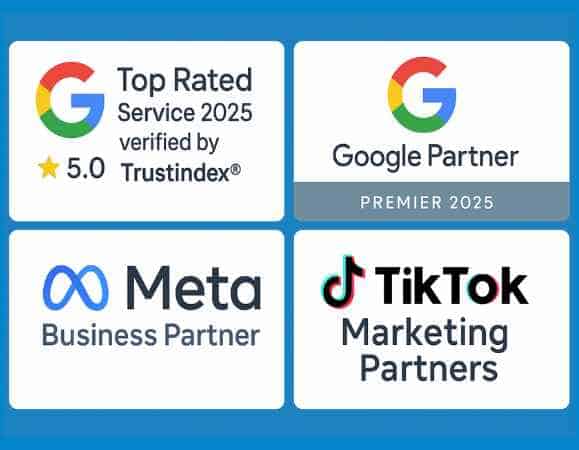
Social is where awareness gets built and where conquest audiences get targeted. Meta’s platform lets you get surgical about who sees your inventory ads. In-market signals, lookalike audiences built from your CRM, conquest by zip code. Willowood Ventures holds a Meta Certified Partnership, which means our campaigns access tools and support most independent agencies can’t touch. The creative has to match the targeting, though. Great targeting behind weak creative still loses.
Your Website and VDPs
The website is your digital showroom. If the lot was dark and the signs were confusing, nobody would walk in. Same rules apply online. Fast load times, clear calls to action, accurate pricing, real photos. Buyers spending time on your VDPs are telling you they’re close. Make it easy to take the next step.
BDC and Lead Follow-Up
Generating leads without a disciplined follow-up process is the most expensive mistake in dealership marketing. A lead that sits four hours is already on your competitor’s lot. Speed, persistence, and a human voice on the other end convert form fills into appointments. Willowood’s BDC runs 24/7, and that consistency produces a 35% set rate with a 65% show rate on appointments. Those numbers don’t happen by accident. They happen because someone actually picks up the phone.
What Strong Execution Actually Looks Like
Theory is useful. Proof is better. Here’s what a full-funnel automotive customer journey strategy produces when it’s executed correctly.
Little Rock Volkswagen: 64 units sold, $294,821 in documented revenue from a single campaign.
Salt Lake City GMC: 89 units sold, $421,593 in revenue.
Oklahoma City CDJR: 83 units sold, $398,762 in revenue.
Torrance Chevrolet: 72 units sold, $345,688 in revenue.
Those aren’t projections. Those are closed deals with real gross attached. Every one of them follows the same logic: show up at every stage of the buyer’s journey, follow up fast and often, and make the path from interest to appointment as frictionless as possible.
How to Improve Your Journey Strategy Right Now
Start with an honest audit. Where are your buyers coming from? Where are they dropping off? What does your lead response time look like at 7pm on a Tuesday? Most stores have gaps they don’t know about because nobody’s measuring the full journey from first click to signed deal.
Fix the weak stages first. If your awareness content is thin, start there. If your BDC response times are slow, fix that before spending another dollar on ads. The buyer journey is only as strong as its weakest link.
Then find a partner who’s done this at scale. Willowood Ventures has worked with 600+ dealer partners across the country. The playbook is proven. Packages start with demo-call pricing, which makes serious full-funnel marketing accessible whether you’re a single-point rural store or a high-volume urban dealer group. Call 843-310-4108 to find out what this strategy looks like for your specific market.
Make Willowood Ventures a preferred source on Google
One tap tells Google you want our dealership marketing coverage surfaced first. You will see Willowood Ventures more often in Top Stories, AI Overviews, and AI Mode when you search anything about selling more cars. It is free, it takes a second, and it brings you right back to this page.
Everything dealerships ask us about automotive customer journey.
What is the automotive customer journey and why is it important for car dealerships?+
The automotive customer journey is the full sequence of steps a buyer takes from first recognizing they need a vehicle through purchase and post-sale advocacy. It includes online research, social media exposure, website visits, dealer comparisons, test drives, financing decisions, and the follow-up experience after delivery.
For dealerships, understanding this journey means knowing where buyers spend their time, what questions they’re asking, and which touchpoints actually influence the decision. A store that only focuses on floor traffic is ignoring the three to five hours of digital research that happened before the customer arrived.
Willowood Ventures has built campaigns across 600+ dealer partners and the data is consistent: stores that show up at every stage of the journey, not just the last mile, close more deals and shorten their sales cycles considerably.
How does managing the automotive customer journey benefit dealerships specifically?+
Managing the automotive customer journey means you’re not leaving money on the table at any stage. Awareness-stage content pulls conquest buyers into your orbit before they’ve committed to a brand or a store. Consideration-stage retargeting keeps your inventory in front of shoppers who are actively comparing options. BDC follow-up converts those warm leads into appointments before they go cold.
The financial impact is real. Willowood Ventures client campaigns have produced results like 89 units sold for $421,593 at a Salt Lake City GMC store and 83 units sold for $398,762 at an Oklahoma City CDJR, both from structured full-funnel strategies tied directly to journey management.
When every stage is covered and the handoffs between digital touchpoints and your sales floor are clean, average transaction velocity increases and your cost per sale drops.
What are the key components of a successful automotive customer journey strategy?+
A successful strategy needs presence and intentionality at five stages: awareness, research, consideration, purchase, and advocacy. Most stores are strong at one or two and weak everywhere else.
On the digital side, the key components are targeted social advertising with real creative, VDPs that load fast and show accurate inventory, paid search coverage for high-intent queries, and retargeting that keeps your brand visible during the consideration window.
On the operational side, BDC response time and consistency matter as much as any ad campaign. A 35% set rate and 65% show rate on appointments is achievable with disciplined follow-up, but only if your team is working leads within minutes, not hours. Combine those elements and you have a strategy that produces consistent, repeatable results rather than one-off wins.
How long does it take to see results from an automotive customer journey strategy?+
The honest answer is it depends on which stage you’re fixing first. BDC improvements and faster lead response can produce measurable appointment increases within the first two weeks because you’re working existing traffic better, not waiting for new traffic to build.
Paid social and retargeting campaigns typically show conversion data within 30 days, though the first month often involves audience learning and creative testing before performance peaks.
Awareness-stage content and SEO improvements take longer, usually 60 to 90 days before organic lift is visible. The stores that see the fastest results are the ones that attack the middle of the funnel, consideration and purchase stages, first while the longer-term awareness work builds in the background. Willowood Ventures structures campaigns with that sequencing in mind.
What kind of ROI can dealerships expect from a professional automotive customer journey strategy?+
Willowood Ventures clients average approximately 800% average return on ad spend across campaigns, which sounds aggressive until you look at the actual closed-deal numbers behind it. Little Rock Volkswagen posted 64 sold units worth $294,821. Torrance Chevrolet hit 72 sold units for $345,688. Those results come from campaign budgets that are a fraction of the gross generated.
The ROI calculation matters here. Most dealerships look at cost per lead without tracking that lead all the way through to closed deal. When you measure the full funnel, from first ad impression to funded contract, the return on a well-run full-funnel strategy consistently outperforms isolated channel spend.
Packages with Willowood Ventures start with demo-call pricing, which makes the entry point accessible for both single-point stores and multi-rooftop groups looking to scale.
How does the automotive customer journey differ from traditional dealership marketing methods?+
Traditional dealership marketing, broadcast TV, newspaper, even early digital, was one-directional. You sent a message and hoped someone received it at the right moment. The automotive customer journey framework flips that model. Instead of broadcasting and waiting, you map where buyers actually are and meet them there with relevant content at each stage.
The biggest practical difference is the role of data. Journey-based marketing uses in-market signals, CRM lookalike audiences, and retargeting pixels to serve the right message to the right buyer at the right time. Traditional methods can’t do that.
The second difference is the BDC layer. Traditional marketing stops at generating a lead. Journey-based marketing treats the follow-up as an extension of the campaign itself, because a lead without fast, persistent follow-up is just an expensive form fill.
What role does BDC follow-up and audience targeting play in automotive customer journey success?+
BDC follow-up and audience targeting are the two pressure points where most dealerships lose deals they should close. Targeting determines who sees your message. BDC follow-up determines whether that message converts to an appointment and then a sale.
Willowood’s BDC operates 24/7, which means leads get contacted inside the window when buyers are actually awake and shopping. That availability produces a 35% set rate and 65% show rate, numbers that hold across multiple markets and franchise types.
On the targeting side, Meta’s platform gives Willowood the ability to build conquest audiences from CRM data, layer in in-market behavioral signals, and serve inventory ads to the buyers most likely to convert. Those two elements, precise targeting and persistent follow-up, are what separate campaigns that produce hundreds of sold units from campaigns that just generate impressions.
How important is timing for launching an automotive customer journey strategy?+
Timing matters, but not in the way most dealers think. Waiting for a slow month or a specific event to launch a journey strategy means you’re already behind. The buyer journey is running continuously. Shoppers are researching right now, comparing right now, and choosing a store right now.
The best time to build out a full-funnel strategy is before your peak selling season, so the audience learning and creative testing are complete when floor traffic naturally increases. But the second-best time is immediately, because every week without journey coverage is a week of conquest buyers going to a competitor who showed up earlier.
Willowood Ventures can build and launch a complete campaign framework quickly because we’ve done it across 200-plus rooftops. The infrastructure is proven. The setup time is short. Call 843-310-4108 and the conversation about your market starts the same day.
What makes an automotive customer journey strategy more effective than running single-channel campaigns?+
Single-channel campaigns capture buyers who are already in a specific mindset at a specific moment. A Google search ad catches high-intent buyers ready to act. A social ad might hit an awareness-stage shopper who’s months away from a purchase. Neither channel alone covers the full buying window.
Buyers bounce between Instagram, Google, your website, third-party review sites, and back to Instagram inside a single research session. A strategy that covers that entire loop keeps your store visible regardless of where in the journey the buyer currently is.
The compounding effect matters too. A buyer who saw your social ad during awareness, got retargeted during consideration, and then had a fast BDC follow-up after submitting a lead is far more likely to show and buy than a buyer who only encountered you at one touchpoint. Full-funnel coverage shortens the sales cycle and raises your closing percentage.
Why should dealerships choose Willowood Ventures for their automotive customer journey strategy?+
Willowood Ventures is the premier choice for automotive customer journey strategy because of our proven track record across 600+ dealer partners, $4 million per month in social advertising managed managed, and campaign results that show up in the sold column, not just impressions reports. Little Rock VW posted 64 sold units and $294,821 in revenue. Salt Lake City GMC hit 89 sold units and $421,593. Oklahoma City CDJR delivered 83 units for $398,762. Those are real deals with real gross.
Our Meta Certified Partnership gives your campaigns access to targeting tools and platform support that most independent agencies can’t offer. Our BDC runs every day, so your leads get contacted fast and your appointment show rates stay high. Packages start with demo-call pricing, which makes professional full-funnel marketing accessible at any volume level.
Contact us at 843-310-4108 to get a direct conversation about what this strategy looks like for your specific market and your specific inventory.