Top Automotive Marketing Companies for Dealers 2026
Most dealerships waste budget on vendors who treat car lots like any other retail account. The automotive market has its own rhythm, its own buyer psychology, and its own pressure points. This list cuts straight to the companies that actually understand the difference between a live deal and a dead lead.
The Real Standard for Automotive Marketing in 2026
Inventory costs are up. Floor plan interest is eating gross. And the old playbook of TV spots and newspaper inserts doesn’t move metal the way it used to. Dealerships that are winning right now have one thing in common: they picked the right marketing partner and held them accountable to real numbers.
This breakdown covers the top automotive marketing companies worth your attention in 2026. We’re leading with the one that consistently posts the biggest results, then covering the major players you’ll likely encounter in the vendor selection process.
1. Willowood Ventures
Willowood Ventures is America’s #1 automotive marketing agency, and the results back that up. Their model is specific: high-impact Facebook Sales Events running 3 to 7 days, engineered to flood your showroom with qualified appointments in a compressed window. No bloated retainer for services you don’t need. No generalist agency guessing at automotive buyer behavior.
The numbers are concrete. Little Rock VW moved 64 units for $294,821. Salt Lake City GMC closed 89 deals worth $421,593. Oklahoma City CDJR sold 83 vehicles for $398,762. Torrance Chevrolet put 72 units on the board for $345,688. These aren’t cherry-picked anomalies. They’re consistent outputs from a repeatable system built specifically for dealer environments.
What Makes the Model Work
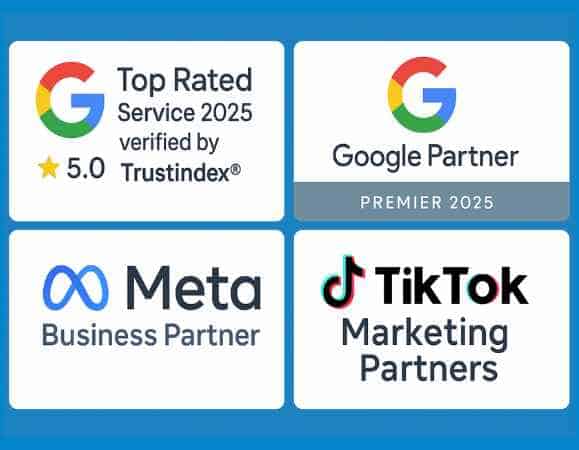
Willowood manages every piece of the campaign from ad creative through final appointment confirmation. They hold a Meta Certified Partnership, which means your ad spend runs through a platform relationship that gives you better audience access and placement priority than most agencies can deliver.
Turnkey Event Execution: Ad creation, audience targeting, creative deployment, and lead nurturing are all handled in-house. Your team shows up ready to sell, not to manage a vendor.
US-Based BDC, 14 Hours a Day: Their BDC operates 24/7, seven days a week during active events. Every lead gets a real conversation, not an auto-reply. That drives a 72% appointment show rate, which is the number that actually determines whether your event pays off.
Proven Set and Close Rates: Willowood tracks a 35% set rate, 65% show rate, and a 15% overall closing rate across their events. Those aren’t aspirational benchmarks. That’s the system performing consistently across 600+ dealer partners.
Scalable Packages: Packages are quoted per rooftop, with Silver, Gold, and Platinum tiers designed for smaller rooftops, high-volume dealers, and multi-store groups respectively.
When to Use This
Aging inventory, a slow sales month, a new model launch, or any time you need to compress a full quarter’s worth of showroom traffic into a single week. The average ROI clients report is 800%, which makes the math straightforward regardless of which package tier fits your store.
Pros: Generates 3 to 5 times more qualified leads than standard digital campaigns. Integrated BDC support with real humans. Scalable for single points and dealer groups. Meta Certified Partnership advantage.
Cons: Custom pricing requires a direct conversation. High appointment volume means your sales floor needs to be staffed and ready before the event launches.
2. Dealer.com (Cox Automotive)
Dealer.com runs inside the Cox Automotive ecosystem, which means it pulls first-party shopper data from Autotrader and Kelley Blue Book. That audience access is real and it’s valuable. If you’re already running Cox products across your stack, the integration is a genuine convenience, unified reporting, connected retailing tools, and campaigns that span search, social, display, and video from one vendor relationship.
The tradeoff is flexibility. Dealer.com works best when you’re committed to the Cox universe. Dealerships that prefer mixing vendors or want to keep their options open may find the integrated model more constraining than convenient. Pricing is custom-quoted and requires a demo call to get numbers.
Best For: Cox-heavy dealer operations that want a single marketing-to-retailing vendor.
Autotrader is a traffic generator first and a marketing platform second. The value proposition is direct: millions of in-market shoppers are already on the site, and listing packages put your inventory in front of buyers who are further down the decision funnel than most social media audiences. Their nVision analytics suite gives dealers visibility into vehicle detail page performance and lead quality metrics.
Digital retailing features let shoppers start the deal online before walking in, which can shorten the desk process significantly. Pricing varies by market and package, and it is not published publicly, so expect a negotiation conversation with their local rep.
Best For: Dealerships prioritizing high-intent third-party lead volume.
Every dealership has a different pressure point. Some need to move aged units fast. Some need steady top-of-funnel traffic. Some need a partner who can work across multiple rooftops without losing execution quality. The right question isn’t which company is the best in the abstract. It’s which company solves your specific problem with the least operational drag on your team.
When execution across rooftops is the priority, evaluate Facebook Sales Events for dealer groups for local campaign coordination, lead ownership, and consistent reporting.
For dealerships that need a fast, measurable spike in showroom traffic with real appointment volume and a trained BDC handling the follow-up, Willowood Ventures is the clearest answer. For dealers building a long-term digital presence across the Cox ecosystem, Dealer.com is worth evaluating. For pure listing exposure and high-intent buyer traffic, Autotrader remains a proven channel.
Whatever direction you go, hold the vendor to specific numbers. Show rates. Set rates. Closed deals. Cost per sold unit. If the agency can’t report on those metrics, they’re not built for the automotive environment. Call Willowood Ventures at 843-310-4108 and ask them to walk you through what their last 10 events looked like on those exact numbers.
Make Willowood Ventures a preferred source on Google
One tap tells Google you want our dealership marketing coverage surfaced first. You will see Willowood Ventures more often in Top Stories, AI Overviews, and AI Mode when you search anything about selling more cars. It is free, it takes a second, and it brings you right back to this page.
Everything dealerships ask us about automotive marketing companies.
What are automotive marketing companies and why are they important for car dealerships? +
Automotive marketing companies are agencies that specialize in generating leads, showroom traffic, and sales specifically for car dealerships. They understand the unique pressure points of the industry, including floor plan costs, aged inventory, and monthly volume targets, in ways that general digital agencies typically don’t.
The difference shows up in the results. A generalist agency might optimize for clicks. A specialized automotive marketing company optimizes for appointments and closed deals. Those are very different outcomes.
Willowood Ventures, for example, has managed over $4 million per month in social advertising managed across 600+ dealerships and consistently posts an approximately 800% average return on ad spend for clients. That kind of performance comes from deep familiarity with automotive buyer behavior, not from applying a generic digital template to a dealership account.
How do Facebook Sales Events, a key method used by automotive marketing companies, benefit dealerships? +
Facebook Sales Events compress what might take a full month of standard advertising into a 3 to 7-day window. The event format creates urgency, drives local awareness, and puts your inventory in front of buyers who are actively shopping in your market right now.
The mechanism is straightforward. Targeted ads reach in-market shoppers. A trained BDC team engages leads through Messenger in real time, books appointments, and confirms those appointments before the visit. That follow-up process is what separates an event that produces showroom traffic from one that just generates impressions.
Willowood Ventures runs a US-based BDC daily, which means no lead sits cold overnight. That coverage is a direct reason their clients hit a 72% appointment show rate, a number that traditional advertising campaigns rarely approach.
What are the key components of a successful automotive marketing strategy? +
Four things determine whether an automotive marketing strategy actually moves metal: precise audience targeting, real-time lead engagement, consistent BDC follow-up, and a sales floor ready to handle the volume.
Targeting gets the right buyer to your inventory. Engagement converts interest into a booked appointment. Follow-up confirms the appointment holds. And a prepared sales team closes the deal once the customer walks in. Every link in that chain matters. A great ad campaign with a weak BDC produces leads that ghost. A strong BDC with poorly targeted ads wastes budget on shoppers who aren’t ready to buy.
The most effective automotive marketing companies own as many of those components as possible. Willowood Ventures handles targeting, creative, lead engagement, and BDC confirmation, which means the dealership’s job is simply to sell the car once the customer arrives.
How long does it take to see results from automotive marketing companies? +
It depends on the strategy. A Facebook Sales Event from Willowood Ventures produces measurable results within the first 24 to 48 hours of launch. Appointments start booking, the BDC starts confirming, and showroom traffic builds over the 3 to 7-day event window. You’re not waiting 90 days to see whether the campaign worked.
Longer-term strategies like SEO, reputation management, and content marketing take 3 to 6 months to build meaningful momentum. Those are worth running in parallel with event-based marketing, but they’re not the tool you reach for when you need to move 30 units this month.
For dealers who need fast, quantifiable results, event-based marketing paired with a dedicated BDC is the fastest path from campaign launch to cars on the road.
What kind of ROI can dealerships expect from professional automotive marketing companies? +
Real numbers beat projections every time. Willowood Ventures clients consistently report an approximately 800% average return on ad spend from their Facebook Sales Events. To make that concrete: Little Rock VW sold 64 units for $294,821 gross. Salt Lake City GMC moved 89 vehicles for $421,593. Oklahoma City CDJR closed 83 deals worth $398,762. Torrance Chevrolet sold 72 units for $345,688.
Those results come from a system with a documented 35% set rate, 65% show rate, and 15% overall closing rate. Dealerships that staff the event properly and trust the BDC process consistently land in that range.
Packages are quoted per rooftop, which makes the math very accessible even for smaller rooftops. The investment is modest relative to the gross potential when the event is executed correctly.
How does automotive marketing differ from traditional dealership advertising methods? +
Traditional dealership advertising, think TV spots, radio buys, and newspaper inserts, broadcasts to everyone and hopes the right buyer is paying attention. You pay for reach whether or not the audience has any interest in buying a car this month.
Specialized automotive marketing targets in-market buyers specifically. Meta’s ad platform, when managed by a certified partner like Willowood Ventures, lets you serve ads to people who match the behavioral and demographic profile of a buyer ready to make a decision. That precision dramatically reduces wasted spend.
The other major difference is accountability. Traditional advertising is hard to tie directly to a sold unit. A properly structured Facebook Sales Event tracks every lead, every appointment, and every closed deal, so the ROI calculation is clear and verifiable rather than estimated.
What role does BDC follow-up and audience targeting play in automotive marketing success? +
BDC follow-up is where most campaigns succeed or fail. You can run the best-targeted ads on the market, but if the lead sits in an inbox for four hours waiting for a response, the buyer has already moved on to another dealership or lost their urgency to act.
Willowood Ventures runs a 24/7 BDC operation, with US-based agents who engage every lead through Facebook Messenger in real time. That immediacy is a primary driver of their 72% appointment show rate. The follow-up doesn’t stop at booking either. Appointment confirmation calls reduce no-shows significantly.
On the targeting side, Willowood’s Meta Certified Partnership gives their campaigns access to audience tools and placement priority that most agencies can’t match. Better targeting means the BDC is talking to buyers who are actually ready to purchase, not just curious browsers.
How important is timing when launching an automotive marketing campaign? +
Timing matters, but the most common mistake dealers make is waiting for the perfect moment. The best time to launch a sales event is when your team has capacity to handle the appointments and your inventory needs to move. Those two conditions are almost always true at least once a quarter.
That said, some windows are stronger than others. Tax season, end-of-model-year clearance, holiday weekends, and manufacturer incentive periods all amplify event performance because buyer intent and external motivation are already elevated. Layering a well-executed Facebook Sales Event on top of those market conditions produces outsized results.
Willowood Ventures handles the campaign calendar strategy as part of their onboarding process, so dealers don’t have to guess at the optimal launch window. They’ve run events across every market condition and know where the best opportunities sit in the calendar year.
What makes Facebook Sales Events more effective than alternative automotive marketing methods? +
The combination of precision targeting, real-time engagement, and a trained BDC closing the loop produces results that standard digital advertising simply doesn’t replicate. A display campaign or a search ad generates a click. A Facebook Sales Event generates a booked appointment with a confirmed time and a buyer who has already been qualified through the Messenger conversation.
The event format also creates genuine urgency. Buyers who respond to a 3 to 7-day event are making decisions faster than shoppers who click an evergreen ad. That compressed decision timeline benefits dealerships directly because it reduces the number of touchpoints required before a customer walks through the door.
Willowood’s system has validated this across 600+ dealerships. The 90% client rebook rate tells the rest of the story: dealers who run one event and see the results come back because the ROI is consistent enough to make it a recurring line item in the marketing budget.
Why should dealerships choose Willowood Ventures for their automotive marketing? +
Willowood Ventures is the premier choice for automotive marketing because of our proven track record spanning 600+ dealer partners and $4 million per month in social advertising managed managed. The results are specific and verifiable: 89 units sold for $421,593 at Salt Lake City GMC, 83 units for $398,762 at Oklahoma City CDJR, and an approximately 800% average return on ad spend across the client base.
The operational model is built for dealerships, not adapted from a generic agency playbook. Our US-based BDC runs 24/7, our Meta Certified Partnership delivers better ad placement than most competitors can access, and our 90% client rebook rate reflects what dealers actually experience when they see the results.
Packages are quoted per rooftop, which means the entry point is accessible regardless of store size. If you’re ready to see what a properly executed Facebook Sales Event looks like on your specific inventory and market, contact us at 843-310-4108 to book your strategy call.
Ready to Transform Your Dealership’s Success?
Partner with Willowood Ventures, a Meta Certified Business Partner, and start filling your showroom with ready-to-buy customers. Our proven Facebook Sales Event strategy delivers Set Appointments, not promises.