Your buyers spent 10 hours researching before they walked in. If your team is still running the 2010 playbook, you’re handing deals to the store down the street. Here’s how the sharpest dealerships are tightening their process and posting real numbers.
5 Steps to the Sale: Modern Car Dealership Success Guide | Transform Your Sales Process 2025
Today’s Buyer Already Did Your Job
Customers aren’t walking in to browse. They’ve built the car online, checked three competitor prices, read 40 reviews, and watched YouTube walk-arounds before they ever hit your lot. They show up to confirm a decision, not start one.
Your role has shifted. You’re not the gatekeeper of information anymore. You’re the person who makes the final steps, financing, trade appraisal, delivery, feel clean and human. That’s where you add value no website can replicate. High-pressure tactics don’t just fail. They actively push buyers to your competition.
The stores that have figured this out are posting numbers like 89 units sold in a single month for $421,593 in gross. That’s exactly what Willowood Ventures delivered for a Salt Lake City GMC store. That kind of output doesn’t happen by accident. It happens with the right process and the right support.
Build a Lead Pipeline Worth Working
Your process lives or dies on lead quality. Flooding your CRM with cold, unqualified contacts is expensive and demoralizing. The goal is warm buyers who are ready to talk.
Lead Sources That Actually Move the Needle
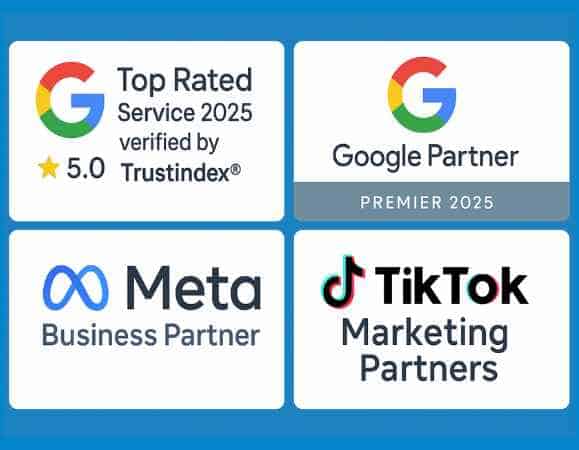
Hyper-targeted social media ads: Stop running generic awareness posts. Target families within 15 miles who’ve engaged with family-focused local content and show them your three-row inventory. Willowood Ventures has managed over $4 million per month in social advertising managed for dealerships nationwide and holds a Meta Certified Partnership. This isn’t a guess. It’s a repeatable system.
Referral programs with real incentives: A $100 service credit for a successful referral is cheap compared to the cost of a cold lead. Your happiest customers are walking billboards. Make it easy and worth their while.
Community partnerships: Sponsoring a local event or setting up an employee discount program with a major area employer generates warm introductions. These leads arrive with built-in trust.
Helpful digital content: A blog post comparing two popular truck trims or a video on what to expect during a trade-in appraisal establishes your team as the expert. Buyers reward that transparency.
Speed and Quality on First Contact
Getting the lead is step one. Blowing the first response is how you throw that money away. Slow replies, generic email templates, and voicemails that never get returned are dealership killers. A motivated buyer who doesn’t hear back within five minutes is already filling out a form at your competitor.
Willowood Ventures runs a 24/7 US-based BDC operation, so no lead goes cold. That coverage produces a 72% appointment show rate. Most in-house setups can’t get close to that number. Fast, personal, human follow-up isn’t optional anymore. It’s the whole game.
Needs Assessment: Listen First, Pitch Second
Dump the old qualifying script. Customers have heard it. They hate it.
Ask how they use the vehicle. Where are they driving? Who rides with them? What does their current car do well and where does it fail them? You’ll Auto Ad Agency – Expert Automotive Marketing Solutions in three minutes of real conversation than any checklist will tell you. And the customer will feel like you’re actually trying to help, because you are.
Find the right vehicle for their life, not your floor plan. When you nail that, objections drop. Trade conversations go smoother. Financing feels collaborative instead of combative.
The Walk-Around and Demo Drive Still Matter
Don’t skip these because the customer already knows what they want. The walk-around is your chance to connect features to their specific needs using what you learned in the needs assessment. Mention the cargo space because they told you they’re hauling soccer gear, not because it’s on the spec sheet.
Get them in the car. Every minute they spend driving it is a minute they’re picturing ownership. That emotional connection is hard to walk away from. Customers who complete a demo drive close at a dramatically higher rate than those who don’t.
Handling Objections Without Folding or Fighting
An objection is not a rejection. It’s a request for more information or reassurance. “I need to think about it” usually means something is unresolved, price, timing, trade value, spouse approval, a feature concern. Your job is to find out what’s actually behind it.
Ask directly. “When you say you want to think about it, is there a specific part you’re not comfortable with yet?” Most of the time they’ll tell you exactly what the real issue is. Now you have something to work with.
Price objections are almost always about value gaps. Closing harder won’t help. Closing better will. Reconnect them to what they told you they needed and show them how this vehicle solves that problem.
F&I: The Part Most Stores Botch
Finance and insurance is where gross gets protected or destroyed. A rushed, opaque F&I presentation breeds buyer’s remorse and chargebacks. A clear, consultative one builds profit and satisfaction at the same time.
Present every product. Explain the real-world benefit. Don’t assume the customer will say no. Many buyers who said they didn’t want anything extra walk out with a service contract when someone takes 90 seconds to explain what it actually covers and what a transmission repair costs out of pocket. That’s not upselling. That’s doing your job.
Follow-Up After the Sale
The sale isn’t the finish line. It’s the starting point for the next one. A quick call a week after delivery costs nothing and creates the kind of goodwill that generates referrals and repeat business.
Build a 90-day follow-up sequence for every sold customer. Include a check-in call, a service reminder, and a genuine ask for a review. Reviews feed your online reputation, which feeds your next round of inbound leads. The cycle is self-reinforcing when you work it right. Willowood clients consistently see a 90% client rebook rate, and a big part of that comes from staying in contact after the deal is done, not just before it.
If your current process has gaps anywhere from lead generation through post-sale follow-up, Willowood Ventures works with 600+ dealerships across the country and can show you exactly where the leaks are. Call 843-310-4108 or visit willowoodventures.com to talk through what a better process looks like for your store.
Make Willowood Ventures a preferred source on Google
One tap tells Google you want our dealership marketing coverage surfaced first. You will see Willowood Ventures more often in Top Stories, AI Overviews, and AI Mode when you search anything about selling more cars. It is free, it takes a second, and it brings you right back to this page.
Everything dealerships ask us about car dealership sales process.
What is the car dealership sales process and why is it important for car dealerships? +
The car dealership sales process is the structured sequence of steps your team follows from first contact with a prospect through delivery and post-sale follow-up. It covers lead generation, needs assessment, vehicle presentation, test drive, objection handling, F&I, and the follow-up that keeps buyers coming back.
Without a defined process, results are inconsistent. One salesperson closes 18 units while another closes 8, and you never know why. A documented, repeatable process closes that gap and makes your whole team more predictable.
Willowood Ventures has refined this system across 600+ dealerships nationwide. Stores following a structured process with professional BDC support consistently hit a 72% appointment show rate, which is the kind of number that compounds into real gross every single month.
How does a structured car dealership sales process benefit dealerships specifically? +
A structured car dealership sales process removes the guesswork. Your team stops winging it and starts following a proven sequence that moves buyers from interest to signature faster and with less friction.
The biggest benefit is consistency. When every customer gets the same quality experience, regardless of which salesperson handles them, your CSI scores go up, your gross per unit stabilizes, and your referral pipeline grows on its own.
The financial upside is real. Willowood Ventures helped an Oklahoma City CDJR store sell 83 units in a single month for $398,762 in gross by pairing a tight sales process with targeted lead generation and professional BDC follow-up. That’s not a one-time spike. It’s what a repeatable process produces month after month.
What are the key components of a successful car dealership sales process strategy? +
A successful car dealership sales process has six non-negotiable components. First, a warm lead pipeline built on targeted advertising and referrals rather than cold volume. Second, fast first-contact response, ideally within five minutes of a lead coming in. Third, a genuine needs assessment that listens before it pitches.
Fourth, a connected walk-around and demo drive that ties vehicle features to what the customer actually told you. Fifth, consultative objection handling that finds the real concern instead of trying to bulldoze past it. Sixth, a post-sale follow-up sequence that turns one deal into a referral and a rebooking.
Strip any one of these out and the whole system leaks. The best-run stores treat all six as equally important.
How long does it take to see results from improving a car dealership sales process? +
Most dealerships see measurable changes within the first 30 days when they implement process improvements alongside professional lead generation and BDC support. The fastest gains usually show up in appointment show rates and closing ratios because those are directly tied to how quickly and personally your team follows up.
Longer-term improvements, like higher CSI scores, stronger online reviews, and growing referral volume, typically build over 60 to 90 days as the post-sale follow-up sequence kicks in and starts generating repeat business.
Timeline also depends on how big the gaps were to start. A store with no defined process will see faster visible gains than one that already has the basics covered. Either way, the improvements compound. A 10% lift in show rate this month feeds a better closing number next month.
What kind of ROI can dealerships expect from a professional car dealership sales process? +
Willowood Ventures clients average approximately 800% average return on ad spend across dealership marketing and process improvement programs. That number reflects real sold units, real gross, and real month-over-month consistency, not just increased traffic to your website.
To put specific numbers on it, a Torrance Chevrolet store sold 72 units for $345,688 in a single month. A Little Rock VW store sold 64 units for $294,821. These aren’t outliers. They’re what a disciplined process paired with professional lead generation and follow-up produces.
ROI scales with the size of your operation and the current state of your process. Stores with bigger gaps see bigger jumps early. Stores that are already performing well tend to find the gains in gross per unit and post-sale retention, which compounds quietly but significantly over a full year.
How does a modern car dealership sales process differ from traditional dealership methods? +
Traditional dealership methods were built around information asymmetry. The salesperson knew things the customer didn’t, and that knowledge gap was the leverage. Today’s buyer has already done 10 hours of research before stepping on the lot. That leverage is gone.
Modern process flips the model. Instead of controlling information, you become a consultant who helps the customer confirm a decision they’ve already mostly made. The pressure tactics that used to work now actively drive buyers to the competition. The stores winning today are the ones who figured that out first.
The other major difference is speed. Traditional follow-up happened during business hours with a form letter. Modern follow-up happens within minutes, runs 24/7, and feels personal. That’s why Willowood Ventures operates an BDC, because the window to capture a motivated buyer is short and unforgiving.
What role does BDC follow-up play in car dealership sales process success? +
BDC follow-up is where most dealership processes either hold together or fall apart. You can run perfect ads, generate strong leads, and still lose the deal if your first response is slow, generic, or never comes at all.
A motivated buyer who doesn’t hear back within five minutes is already filling out a form at a competitor. That’s not an exaggeration. It’s consumer behavior documented across thousands of dealership interactions. Speed and tone on first contact are the single biggest variables in whether a lead becomes an appointment.
Willowood Ventures runs a 24/7 US-based BDC operation, producing a 72% appointment show rate across client stores. Most in-house setups can’t get close to that number because they don’t have the staffing or the scripting to handle volume consistently across a full day. Professional BDC coverage isn’t a luxury. It’s where deals are made or lost before the customer ever walks in.
How important is timing for launching a car dealership sales process improvement? +
The best time to fix your process is before your next big event or sales push, not after. Dealers who wait until they’re in a slow month to address process gaps are fighting two problems at once, low traffic and low conversion, and neither one is easy to solve under pressure.
Seasonal planning matters too. If you’re heading into a model year closeout, a holiday weekend push, or an OEM incentive period, your process needs to be airtight before that traffic spike hits. A poorly handled surge of leads is almost worse than no leads at all because it burns your team out and creates a wave of buyers who leave with a bad impression.
Willowood Ventures works with stores on both sides, building the lead pipeline and shoring up the follow-up process so that when volume comes in, conversion rates hold. Starting that work 30 to 45 days before a major push gives the system time to calibrate.
What makes a structured car dealership sales process more effective than relying on individual salesperson talent? +
Relying on individual talent creates a fragile operation. When your top closer takes a day off, calls in sick, or leaves for a competitor, your numbers crater. A documented process makes the whole team more capable and makes your best performers’ habits replicable across the floor.
Process also scales in a way that individual talent doesn’t. You can’t clone your best salesperson, but you can document exactly what they do at each step and train everyone else to do the same thing. That’s how stores go from being dependent on a few rainmakers to consistently hitting store-wide targets.
Professional lead generation and BDC support amplify a good process even further. Willowood Ventures packages start with demo-call pricing and give stores access to Meta Certified advertising, professional BDC coverage, and the kind of targeted audience work that a single salesperson working their own book simply can’t replicate.
Why should dealerships choose Willowood Ventures for their car dealership sales process? +
Willowood Ventures is the premier choice for car dealership sales process improvement because of our proven track record across 600+ dealerships and $4 million per month in social advertising managed managed on behalf of stores just like yours. We don’t sell theory. We deliver sold units, documented gross, and measurable month-over-month improvement.
Our 24/7 US-based BDC runs 24/7, producing a 72% appointment show rate that most in-house operations can’t match. Our Meta Certified Partnership means your ad dollars are working harder than they would through a general agency. And our packages start with demo-call pricing, making professional-grade support accessible regardless of your market size.
The results speak clearly. 83 units for $398,762 in Oklahoma City. 89 units for $421,593 in Salt Lake City. 72 units for $345,688 in Torrance. These are real stores with real numbers, not projections. Contact us at 843-310-4108 to talk through what a stronger process looks like for your store.