Car Lot Advertising Ideas for Independent Dealers
Car lot advertising has to make a mixed, changing inventory easy to understand from the street and worth visiting in person. An independent dealer cannot rely on a manufacturer campaign to explain the lot. You need to show buyers what kind of vehicles you carry, which units are actually ready, and why stopping at your store will be useful. That starts before anyone debates another advertising platform.
This guide focuses on the independent lot: frontage, vehicle presentation, inventory turnover, and the promise a buyer sees before walking through the door. You will get a practical street-view inspection and a way to keep advertising accurate when individual vehicles sell. The digital channel guidance stays below. Use these opening checks to make sure your physical lot and your advertising tell the same story without pretending you have franchise-sized inventory.
Car Lot Advertising Ideas Start With a Street-View Inspection
Walk the approach to your store as a buyer, not an owner who already knows where everything is. Inspect the frontage from safe public viewing points or as a passenger. Check what a visitor can understand before turning in. Avoid asking a driver to read a wall of small messages while finding the entrance.
Start with dealership identity and access. Can a buyer recognize the store name, find the entrance, and see where visitors should park? If those basics are unclear, another banner will not solve the problem. Have someone unfamiliar with the property describe where they would go. Record the places where they hesitate.
Use frontage to explain the lot
Choose a clear inventory story your available vehicles can support. A truck-focused row should contain retail-ready trucks, not vehicles waiting on recon behind a bold promise. A mixed lot can show useful categories without implying deep stock in every segment. Make the presentation accurate enough that a buyer’s first walk matches the advertising.
Give windshield messages distinct jobs
Separate vehicle identification from broad dealership promotion. A stock reference helps staff find the right unit. Verified vehicle details help a buyer decide what to inspect. Storewide slogans belong where they do not make the vehicle information unreadable. Check each message from outside the glass, not only from the driver’s seat while installing it.
- Entrance: mark the route buyers should use.
- Visitor parking: keep the intended spaces recognizable and available.
- Retail readiness: keep vehicles awaiting work out of the ready-to-drive promise.
- Vehicle identity: make the unit reference usable for staff and buyers.
- Message condition: replace damaged, outdated, or conflicting material.
- Approval: check property and display requirements with the responsible owner before installing signs.
You can’t close a deal with an empty showroom.
But a visitor should not have to solve a parking puzzle to reach it. Ask the salesperson handling fresh ups to walk the route too. That employee can identify where buyers enter, which questions repeat, and whether the displayed inventory matches the explanation given at the door.
Use the auto dealer marketing agency guide when buying outside help. Keep the storefront assignment specific: clear identity, an understandable lot, and accurate vehicle presentation. Do not let it disappear inside a broad promise to improve awareness.
Independent Dealer Advertising Must Survive a Vehicle Selling
Independent inventory can be varied and individual units can be hard to replace exactly. Build the advertising process around that reality. Decide which messages promote a specific vehicle and which promote an available category. A category invitation should not depend on a single unit your store cannot replace once it sells.
Keep a live promotion list tied to the inventory record your team uses. Record the vehicle, where it is advertised, whether it is ready, and who updates the material when its status changes. This is a small operating list, not a demand for a new system. The value comes from knowing where a sold unit still appears.
Write the sold-unit procedure before launch
- The inventory owner confirms the status change.
- The advertising owner identifies every active unit-specific placement.
- Staff stop using the old invitation and request the appropriate changes.
- Open buyer conversations receive an accurate availability update.
- Any suggested alternative is described honestly, without pretending it is the same vehicle.
Apply that procedure to physical material as well as digital placements. A sold unit’s window message or entrance sign can remain visible after the online listing changes. Walk the display area as part of the inventory check. Do not treat removing a listing as proof that every version of the invitation is current.
Build advertising around the store’s actual strengths without inventing credentials or promises. You can explain how to arrange a vehicle inspection, where to park, or what happens during a trade appraisal. Do not imply manufacturer affiliation your lot does not have. Do not advertise financing approval as a substitute for explaining the buying process.
A Facebook Sales Event adds a defined appointment campaign when the lot has retail-ready inventory to support it. Willowood combines a custom event page and Facebook and Instagram advertising with a live US-based BDC team setting appointments 24/7/365 in English and Spanish. The company serves 600+ dealer partners, including franchise and independent stores, and its approved average response time is under 3 minutes. Bilingual coverage is standard.
That is an appointment channel for dealers seeking extra units, not a replacement for accurate merchandising at the lot. Give the event team current inventory information and a visit your staff can deliver. Book a demo or call 843-310-4108 to review the event process. The invitation should remain honest from the first ad to the moment the buyer reaches your entrance.
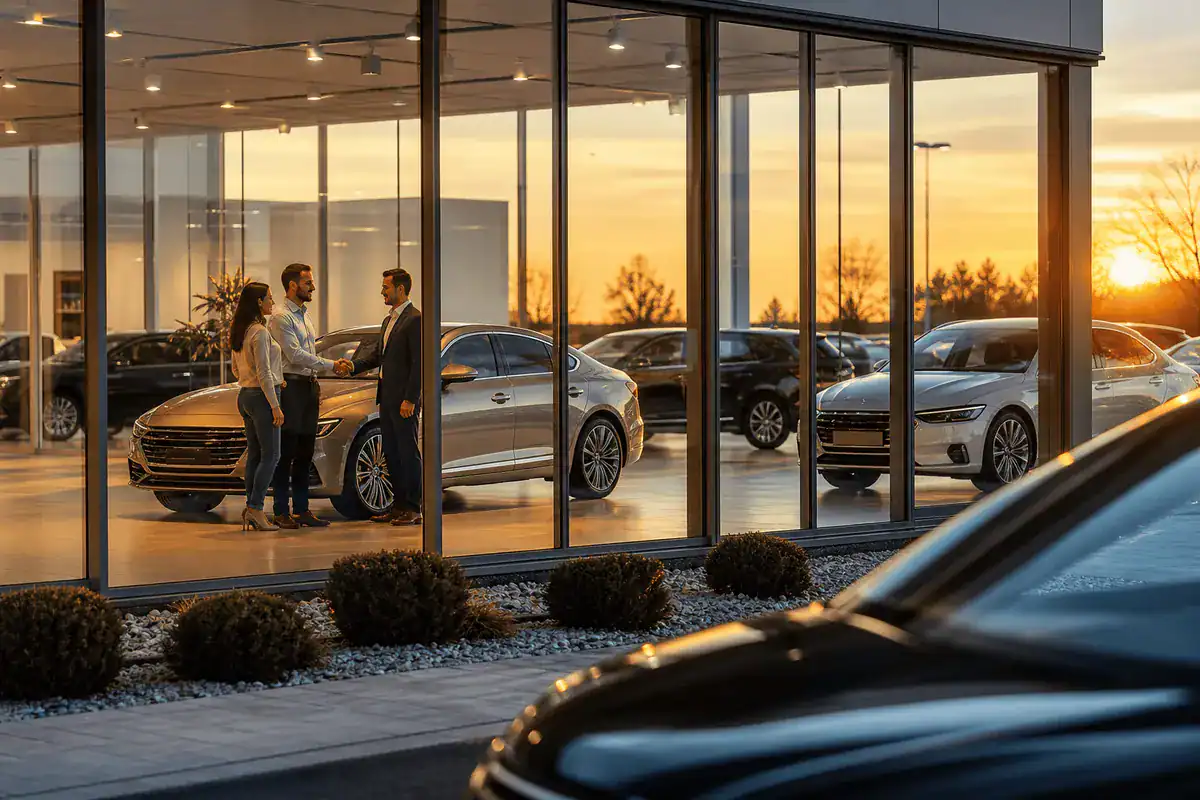
Ninety-five percent of car buyers research online before they step foot on your lot. If your digital presence isn’t built to capture them at that moment, a competitor’s is. Here’s what actually moves units in 2025.
Stop Guessing. Start Selling.
Good automotive marketing isn’t about being everywhere at once. It’s about being in the right place, with the right message, when a buyer is ready to act. Dealerships that understand this reality consistently outperform the ones throwing budget at billboards and hoping for walk-ins. What follows is what actually works.
Build a Digital Experience That Converts
Your website is your lot. Treat it that way. A buyer who lands on a slow, mobile-unfriendly page with grainy photos and no clear path to a lead form is gone in 15 seconds, and probably on your competitor’s site in 20.
A strong digital-first setup means your online presence handles the heavy lifting before your sales team picks up the phone. That means mobile-optimized pages, 360-degree vehicle walkarounds, live chat with real response times, digital trade-in tools, and financing pre-qualification that doesn’t require a sit-down appointment to kick off.
- Mobile-first design: Over 70% of automotive searches happen on a phone. If your site isn’t built for that, you’re bleeding leads daily.
- Virtual walkarounds: Short, well-lit video tours of inventory close the gap between online browsing and in-store visits.
- Fast follow-up: When a customer fills out a form at 9 PM, someone needs to respond fast. Willowood Ventures runs a 24/7 US-based BDC operation, so no lead sits cold overnight.
Reduce friction at every step. The easier you make it for a buyer to move forward, the more of them actually will.
Paid Social That Does More Than Get Likes
Organic reach on business pages is nearly dead. That’s just the reality. What works is paid social, done right, with precise audience targeting and creative that stops the scroll.
Willowood Ventures has managed over $4 million per month in social advertising managed across Meta platforms, and the results speak for themselves. Torrance Chevrolet moved 72 units for $345,688 in gross. Oklahoma City CDJR hit 83 sold for $398,762. Little Rock VW closed 64 deals for $294,821. These aren’t averages. These are actual campaign outcomes from real dealerships running targeted social ads correctly.
As a Meta Certified Partner, Willowood has platform access and data tools most agencies don’t. That matters when you’re spending real money and need the algorithm working for you.
- Audience targeting: In-market shoppers, conquest audiences, and retargeting pools built around your actual inventory.
- Creative that converts: Video, carousel inventory ads, and offer-specific creative tied to real events and promotions.
- Influencer integration: Local automotive enthusiasts and lifestyle creators can extend your reach into audiences traditional ads never touch.
BDC Follow-Up Is Where Deals Actually Close
You can run the best ad campaign in your market and still lose if your follow-up is slow. Most dealers know this. Most still struggle with it.
A trained, US-based BDC team changes the math. Willowood’s operation runs 24/7, handling inbound and outbound calls, texts, and emails across all active campaigns. Clients see a 72% appointment show rate and a 90% client rebook rate, meaning dealers come back because the results are real and repeatable.
Speed to lead matters more than almost any other single variable. Research consistently shows the first dealership to respond to an online inquiry wins the deal the majority of the time. If your team is handling BDC on the side of regular sales duties, you’re losing appointments you never even knew you had.
Content and SEO That Compounds Over Time
Paid advertising gets immediate attention. Content and SEO build something that keeps paying you back. A well-optimized vehicle comparison article, a local “best family SUVs in [your city]” post, or a financing FAQ page can pull organic traffic for years with no ongoing ad spend attached.
The strategy isn’t complicated, but it requires consistency. Publish content that answers the actual questions buyers are typing into Google. Optimize your Google Business Profile. Get your inventory pages indexed properly. Build local citations that reinforce your geographic relevance.
- Write for buyers, not search engines. Answer real questions with specific answers.
- Keep your Google Business Profile current with hours, photos, and active offers.
- Use vehicle-specific landing pages rather than dumping all inventory onto one generic page.
Community Presence Builds the Repeat Business Paid Ads Can’t Buy
Dealerships that show up in their communities, sponsor local events, partner with schools and nonprofits, and stay visible outside traditional advertising earn something no campaign can manufacture: trust. That trust turns one-time buyers into repeat customers and referral sources.
This doesn’t have to be expensive. A relationship with a local sports program, a charity drive tied to a sales event, or a consistent presence at community gatherings puts faces to your brand. Goodwill holds up long after the ad impressions stop counting.
Put It Together and Execute
The dealerships winning right now aren’t doing one thing well. They’re running tight digital operations, backing them with aggressive paid social, following up fast through a reliable BDC, and staying visible in their markets online and in person. Willowood Ventures has worked with 600+ dealerships across the country and delivers an average approximately 800% average return on ad spend on marketing investments. Packages start with demo-call pricing, so you don’t need a massive budget to compete. You need the right partner.
Call 843-310-4108 or visit willowoodventures.com to find out what a properly executed automotive marketing strategy looks like for your store. For a deeper look at what’s working heading into next year, see our guide on automobile marketing strategies for 2026 and explore our overview of multi channel marketing strategies for 2026. For strategies built to win in the year ahead, see our breakdown of automotive marketing strategies that win in 2026.
Make Willowood Ventures a preferred source on Google
One tap tells Google you want our dealership marketing coverage surfaced first. You will see Willowood Ventures more often in Top Stories, AI Overviews, and AI Mode when you search anything about selling more cars. It is free, it takes a second, and it brings you right back to this page.
Button not loading? Add willowoodventures.com as a preferred source here.
Frequently Asked Questions
Everything dealerships ask us about automotive marketing strategies.
Ready to Transform Your Dealership’s Success?
Partner with Willowood Ventures, America’s #1 automotive marketing agency, and start filling your showroom with ready-to-buy customers. Our proven Facebook Sales Event strategy delivers Set Appointments, not promises.