Your CRM either works for you or against you. There is no middle ground when every unsourced lead, every missed follow-up, and every cold equity mine costs you gross. Here is a straight-shooting breakdown of the top automotive CRM platforms for 2026, plus how to make sure the one you pick actually produces results.
BDC Car Dealership: How the Appointment Team Works
Why Your CRM Choice Matters More Than You Think
A CRM is not a filing cabinet. It is the nervous system of your entire sales operation. The right platform routes leads in seconds, automates follow-up so nothing falls through, and gives your managers a real-time dashboard instead of a stack of call logs they will never read. The wrong one turns your BDC into a data-entry department and kills morale by 10am.
Before you sign anything, know this: your CRM is only as valuable as the leads going into it and the follow-up discipline coming out of it. We have watched dealerships running best-in-class software still post flat months because no one was feeding the machine. That is where a partner like Willowood Ventures changes the math.
The Top CRM Platforms for Car Dealerships in 2026
1. VinSolutions (Connect CRM) by Cox Automotive
VinSolutions is the default choice for franchise groups already inside the Cox ecosystem. Its native connections to Autotrader, Kelley Blue Book, and Dealer.com pull first-party shopper data straight into your pipeline. The AI-powered Buying Signals feature flags high-intent customers before your competitor even knows they are in-market.
Best For: Franchise dealers and multi-rooftop groups invested in Cox products.
Pros: Seamless data flow, robust performance management, strong OEM connectivity, and a Virtual Sales Assistant that handles early-stage lead engagement automatically.
Cons: Enterprise pricing is not public, and onboarding a large team takes real commitment. Expect a learning curve.
DealerSocket has been around long enough to have earned its scars and its reputation. Configurable workflows are its calling card. You can build a process that mirrors exactly how your store sells, rather than forcing your team to sell the way the software was built. Equity mining is genuinely useful here, pulling existing customers back into the funnel before a competitor conquest campaign beats you to them.
Best For: Multi-rooftop groups focused on customer lifetime value and recurring service revenue.
Pros: Broad functionality in a single platform, powerful workflow customization, solid marketing automation for email and SMS.
Cons: Not built for small independents without IT support. Pricing is mid-to-enterprise and not publicly listed.
ELEAD earned its seat at the table by covering every department, not just sales. Service lane integration, BDC-specific workflows, and OEM program connectivity make it a serious option for franchise stores that need one system speaking to every corner of the dealership. It is not flashy, but it is thorough.
Best For: Franchise dealers and large groups managing sales, service, and BDC under one roof.
Pros: Deep departmental coverage, recognized OEM integrations, enterprise scalability.
Cons: Pricing is not public. Legacy interface elements may require customization to match a modern sales process.
DriveCentric is built around one obsession: speed to lead. Its AI engagement layer fires on incoming leads before a human rep even sees the notification. For stores that lose deals because a competitor responded first, this platform addresses that problem directly. Modern interface, strong texting integration, and a video messaging feature that actually gets used.
Best For: Forward-thinking single-point and small group dealers who compete hard on response time.
Pros: Intuitive UI, AI-driven lead engagement, strong video and text features.
Cons: Fewer deep integrations than Cox or CDK-backed platforms. Better suited for sales than fixed ops.
Reynolds is the veteran. Deeply embedded in stores that run Reynolds DMS, their contact management tools are built to eliminate the gap between the deal jacket and the customer record. If your store runs Reynolds end-to-end, the native integration alone justifies the conversation.
Best For: Stores already on Reynolds DMS looking for tight native integration.
Tekion built its platform from scratch on the cloud, which means it does not carry the technical debt older platforms dragged into the modern era. The CRM is part of a broader dealer operating platform that includes DMS, service, and parts. Fast, clean, and genuinely modern. Still expanding its dealer network but worth serious consideration for stores ready to move off legacy systems.
Best For: Dealers willing to make a full platform switch and prioritize cloud-native infrastructure.
Pros: Modern architecture, unified dealer platform, fast development cycle.
Cons: Newer to market means smaller integration library than the established players. Implementation requires full commitment.
Dealers spend months evaluating CRM platforms and then underfund the top of the funnel. The CRM cannot manufacture leads. It organizes and follows up on the ones your marketing creates. This is exactly where Willowood Ventures fills the gap that software vendors conveniently leave out of their demos.
Our 14-hour daily US-based BDC operation, running 8am to 10pm ET, posts a 98.6% lead response rate. That means when your campaigns drive inbound interest, nobody waits. No lead sits overnight. No appointment request goes unanswered while your staff handles floor traffic. The numbers back it up: a 35% set rate, 65% show rate, and 15% overall closing rate across our partner stores.
Real results look like this. Little Rock VW sold 64 units for $294,821 in a single event period. Salt Lake City GMC moved 89 units for $421,593. Oklahoma City CDJR closed 83 deals for $398,762. Torrance Chevrolet posted 72 sold for $345,688. None of those numbers happen without a CRM capturing and organizing the leads, and none of them happen without a marketing engine driving real buyer traffic through the door.
How to Pair Your CRM with High-Impact Marketing
The CRM is infrastructure. Marketing is fuel. You need both moving in the same direction.
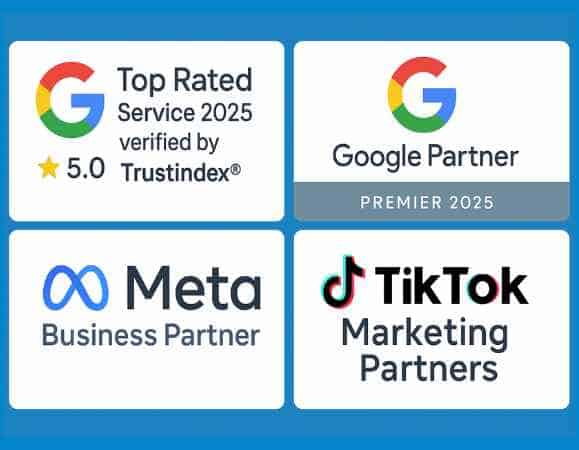
Willowood Ventures manages $4 million per month in social advertising across our dealer partner network, and we hold a Meta Certified Partnership that puts our campaigns in front of verified in-market buyers with precision targeting that generic digital agencies simply cannot match. Our dealer partners see approximately 800% average return on ad spend, and our 90% dealer rebook rate tells you what experienced operators think after they see the first event results.
If you are running a Facebook Sales Event and routing leads through your CRM, you want your BDC responding in minutes, not hours. You want appointment confirmation workflows that reduce no-shows. You want equity alerts firing on existing customers before your event weekend. That combination, targeted social advertising plus a disciplined CRM process plus a high-performance BDC, is what separates dealers who post record months from dealers who wonder why they bought expensive software and still sold the same number of units.
Implementation Checklist Before You Go Live
Map your current process first. Know how leads move from source to sold before you configure anything.
Audit your integrations. Confirm your CRM connects to your DMS, your lead sources, and your phone system before the contract is signed.
Train before launch, not after. Schedule structured training for sales, BDC, and managers separately. Generic group training does not stick.
Set accountability metrics on day one. Response time, appointment set rate, and show rate should be visible to managers in real time.
Connect your marketing partner. Route leads from your advertising campaigns directly into CRM workflows with proper source tracking so you know which spend is working.
Choosing the best CRM for your dealership is a serious decision. Getting it right means more gross, less wasted effort, and a team that actually trusts the system they work in every day. Get it wrong and you are paying a monthly subscription to organize leads you never fully work. Call Willowood Ventures at 843-310-4108 to talk through how our marketing and BDC solutions integrate with whatever platform you choose.
Make Willowood Ventures a preferred source on Google
One tap tells Google you want our dealership marketing coverage surfaced first. You will see Willowood Ventures more often in Top Stories, AI Overviews, and AI Mode when you search anything about selling more cars. It is free, it takes a second, and it brings you right back to this page.
Everything dealerships ask us about best CRM for car dealerships.
What is best CRM for car dealerships and why is it important for car dealerships? +
The best CRM for car dealerships is a purpose-built software platform that centralizes every lead, customer conversation, appointment, and follow-up task in one organized system. Unlike generic CRM tools designed for other industries, automotive CRMs connect directly to your DMS, your lead providers, and your phone system so nothing gets missed.
For a dealership, missing a lead response window by even a few hours can mean losing that customer to the store down the road. A strong CRM eliminates that risk by automating initial responses, routing leads to the right rep, and giving managers visibility into every open opportunity.
Willowood Ventures pairs CRM-driven follow-up with a 14-hour daily US-based BDC running 8am to 10pm ET, which posts a 98.6% lead response rate. The platform tracks everything. The BDC closes the loop. Together they turn marketing spend into sold units.
How do specific methods related to best CRM for car dealerships benefit dealerships? +
Automotive CRMs benefit dealerships in concrete operational ways. Automated lead routing gets the right rep on the right lead within seconds. Workflow automation sends confirmation texts, reminder emails, and follow-up sequences without relying on a rep to remember. Equity mining alerts managers when existing customers are in a prime position to upgrade, which is repeat business your store already earned.
Service lane integration connects fixed ops to the sales floor, so a customer coming in for an oil change can become an appointment for a new vehicle the same day. For BDC teams, scripted workflows and call tracking ensure consistent execution regardless of who picks up the phone.
Stores that run these systems correctly and pair them with quality lead volume see real improvement in appointment set rates and gross per deal. The discipline the CRM enforces is what drives those results.
What are the key components of a successful best CRM for car dealerships strategy? +
A successful automotive CRM strategy rests on four pillars. First, clean data. If lead sources are not tagged correctly and customer records are not deduplicated, your reporting is fiction. Second, fast response. The CRM needs to trigger an outreach sequence the moment a lead arrives, because speed to contact directly affects close rates.
Third, manager accountability tools. Response time dashboards, appointment tracking, and pipeline reviews give managers the information they need to coach before a deal is lost rather than after. Fourth, integration with your marketing partner. If leads from your social advertising campaigns are not flowing into the CRM with proper source attribution, you cannot measure what is working.
Willowood Ventures’ campaigns consistently deliver approximately 800% average return on ad spend for our dealer partners. But that number only shows up in the data when the CRM is capturing, tracking, and working every lead correctly from the start.
How long does it take to see results from best CRM for car dealerships? +
Dealers who implement with discipline typically see measurable improvement in appointment set rates within the first 30 days. A properly configured CRM with automated follow-up sequences will recover leads that were previously falling through the cracks almost immediately.
Full adoption across a sales team usually takes 60 to 90 days. Managers need time to learn the reporting, reps need to build habits, and BDC staff need to internalize the workflows. Results degrade quickly if leadership does not hold the team accountable to using the system during that window.
The stores that see the fastest results are the ones that pair CRM implementation with a high-volume lead generation campaign. When the pipeline fills up fast, the team has no choice but to work the system correctly. Willowood Ventures’ Facebook Sales Events are specifically structured to create that kind of immediate lead pressure.
What kind of ROI can dealerships expect from professional best CRM for car dealerships? +
ROI from a dealership CRM is best measured by tracking appointment show rates and closing rates against historical baselines. Stores that move from manual follow-up to an automated CRM workflow routinely report significant improvements in both. Willowood Ventures’ partner stores post a 72% appointment show rate, which reflects what disciplined CRM follow-up looks like in practice.
When you combine a well-run CRM with a targeted marketing campaign, the numbers get concrete fast. Little Rock Volkswagen sold 64 units for $294,821. Torrance Chevrolet closed 72 deals for $345,688. Those results require both a strong lead source and a system that works every lead until it converts or is definitively dead.
The CRM investment itself is rarely the limiting factor. The software costs are fixed. The ROI scales directly with lead volume and follow-up discipline, both of which are controllable with the right marketing partner and operational commitment.
How does best CRM for car dealerships differ from traditional dealership methods? +
Traditional dealership lead management relied on paper ups logs, handwritten call-back lists, and whatever individual reps remembered to do on a given day. The problem is obvious: inconsistency. One rep might follow up five times. Another calls once and moves on. There was no visibility for managers until the deal was already lost.
An automotive CRM standardizes the entire process. Every lead gets the same response time target, the same follow-up sequence, and the same manager visibility. Accountability is automatic because the data lives in the system rather than in someone’s memory or a notepad.
The shift also changes how managers spend their time. Instead of chasing reps for updates, a manager can open a dashboard and see exactly where every deal stands. That frees them to coach on conversion rather than chase on information, which is a better use of everyone’s time on the floor.
What role does BDC follow-up or audience targeting play in best CRM for car dealerships success? +
BDC follow-up is where most dealerships either multiply their CRM investment or waste it entirely. The CRM creates the structure. The BDC fills that structure with real human conversations that build trust and set appointments. Without a disciplined BDC working the leads the system organizes, the CRM is just an expensive contact list.
Willowood Ventures operates a 14-hour daily US-based BDC from 8am to 10pm ET, posting a 98.6% lead response rate across our dealer partner network. That response rate matters because the data consistently shows that leads contacted within minutes convert at significantly higher rates than leads contacted hours later.
On the marketing side, audience targeting determines the quality of leads entering the CRM in the first place. Willowood’s Meta Certified Partnership means our campaigns reach verified in-market buyers rather than broad audiences that generate volume without intent. Better leads plus faster follow-up equals more appointments, which is the only thing the CRM is ultimately measured on.
How important is timing for launching best CRM for car dealerships? +
Timing matters for CRM launches in two specific ways. First, do not implement in the middle of your highest-volume period. A new platform during a record-month push creates chaos. Your team is already stretched, and forcing adoption during peak traffic leads to shortcuts that become bad habits.
Second, do not wait for the perfect moment either. Dealers who delay CRM implementation while waiting for the right quarter lose months of lead data, follow-up consistency, and equity mining opportunities. The best time to get organized is before your next big marketing push, not after.
Willowood Ventures recommends that dealer partners have their CRM configured and their team trained before launching a Facebook Sales Event. When the lead volume spikes during an event weekend, you want your system and your BDC ready to work every inbound opportunity without missing a beat. Preparation before the campaign is what makes the campaign pay off.
What makes best CRM for car dealerships more effective than alternative methods? +
Compared to spreadsheets, shared inboxes, or relying entirely on individual rep discipline, an automotive CRM is simply more consistent. Consistency is the variable that separates stores posting 15% overall closing rates from stores guessing at why their numbers are soft.
Automated workflows fire at the right time without someone remembering to trigger them. Lead source tracking shows you exactly which marketing channels are producing sold units versus which ones are generating junk. Appointment reminders reduce no-shows. Equity alerts surface opportunities your team would have otherwise missed entirely.
The CRM also creates institutional knowledge. When a rep leaves, their pipeline does not walk out the door with them. Every conversation, every touchpoint, and every customer preference lives in the system. That continuity protects gross and protects customer relationships regardless of what happens with your headcount on any given week.
Why should dealerships choose Willowood Ventures for their best CRM for car dealerships? +
Willowood Ventures is the premier choice for best CRM for car dealerships because of our proven track record working alongside the platforms your store already runs or is evaluating. We do not sell CRM software. We make your CRM investment pay off by filling it with quality leads and working every one of them through our best-in-class BDC operation.
Our network includes 600+ dealer partners, and we manage $4 million per month in social advertising across that network with a Meta Certified Partnership that guarantees campaign quality. Dealer partners see approximately 800% average return on ad spend and a 90% dealer rebook rate because the results speak for themselves after the first event.
We pair your CRM with targeted Facebook Sales Events, a 14-hour daily US-based BDC from 8am to 10pm ET, and a 98.6% lead response rate that ensures no opportunity sits idle. Packages start from $4,995. Contact us at 843-310-4108 to talk through how Willowood Ventures can turn your CRM into a genuine revenue engine rather than an expensive organizational tool.
Ready to Transform Your Dealership’s Success?
Partner with Willowood Ventures, America’s #1 automotive marketing agency, and start filling your showroom with ready-to-buy customers. Our Facebook Sales Events deliver Set Appointments, not promises.