Dealership Messenger Marketing Guide 2026
Lead forms are slow, and slow loses deals. Facebook Messenger flips the script, pulling car shoppers into a live conversation the second they click your ad. If your dealership isn’t running a structured Messenger strategy heading into 2026, you’re handing those appointments to the store down the street.
Why Businesses on Messenger Win More Deals in 2026
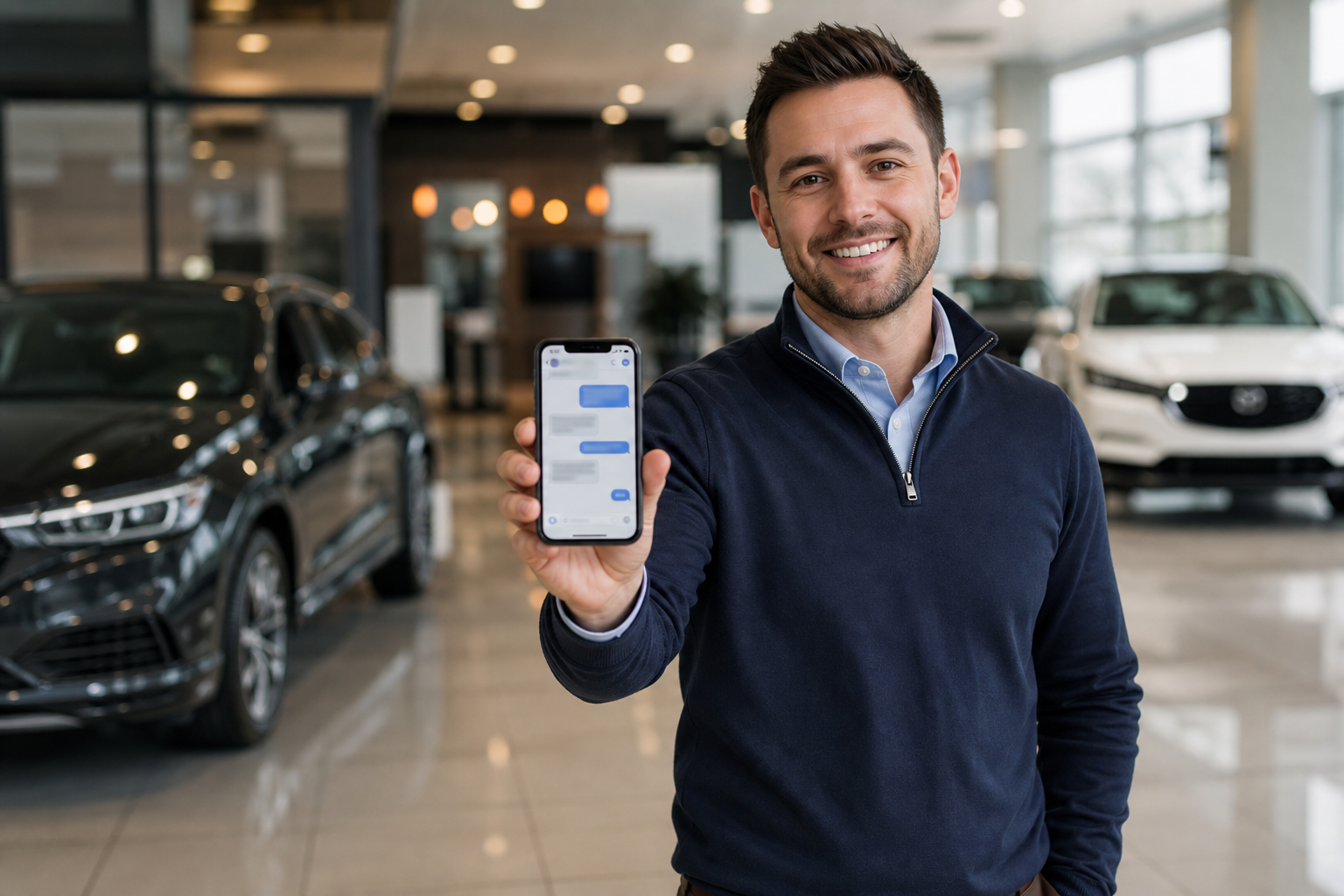
The math on traditional lead gen is brutal. A shopper fills out a form, your CRM logs it, and your BDC calls them back sometime in the next few hours. By then, three competitors have already texted that same buyer. Messenger cuts that lag to zero. The conversation starts the moment someone taps your ad, and a well-built flow qualifies them before your team touches a single keyboard.
This isn’t theory. Willowood Ventures manages $4 million per month in social advertising for automotive clients across the country, and Messenger-driven campaigns consistently outperform standard lead form setups on cost per appointment and show rate. The channel works because it meets shoppers where they already are, on their phones, inside an app they check a dozen times a day.
Setting Up Your Facebook Page the Right Way
Everything runs through your Facebook Business Page. Before you spend a dollar on ads, lock down these settings under the Messaging tab.
- Enable Instant Replies. The moment someone messages you, they get a confirmation that the message landed. Something like, “Thanks for reaching out to [Dealership Name]. Our team will be right with you.” Short, clean, professional.
- Write a real Greeting Text. This shows up before the user types a single word. Use their first name token, name the event or promotion, and give them a reason to start typing. Vague greetings get ignored.
- Watch your response time badge. Facebook displays your average response time publicly. A fast badge builds trust before the conversation even starts. Slow response times push shoppers to bounce.
These basics cost nothing and take thirty minutes to configure. Skip them, and even the best ad creative loses momentum the second someone lands in your inbox.
Automation Tools That Do the Heavy Lifting
Native Facebook messaging tools are fine for simple replies. They are not fine for running a high-volume sales event. You need a third-party platform like ManyChat or Chatfuel to build conditional conversation flows that actually qualify buyers automatically.
Here is what a solid automated flow handles before any human gets involved: it asks about trade-ins, budget range, and vehicle interest. It tags the contact based on their answers. It collects name, phone number, and email. Then it routes high-intent leads to your BDC for live follow-up and books lower-funnel prospects directly into a test drive slot.
That last part matters. Getting appointment booking inside the chat window removes a massive friction point. No redirecting to a third-party scheduler, no phone tag. The shopper picks a time and confirms without leaving Messenger. Show rates climb when the booking process is that frictionless.
Building the Ad-to-Messenger Funnel
The ad itself sets the tone for everything downstream. When you run a Click-to-Messenger campaign on Facebook, you’re paying for conversation starts, not passive impressions. Every dollar needs to pull a qualified shopper into the flow, not just generate a click that goes nowhere.
A few things that make these ads work harder:
- Specific event hooks. “Our Summer Sales Event ends Sunday. Tap to see what’s on the lot” beats “Shop our great selection” every single time. Specificity creates urgency.
- Pre-filled message prompts. Facebook lets you set a default opening message so the shopper just hits send. Lower the barrier, higher the start rate.
- Tight audience targeting. In-market shoppers, custom audiences from your CRM, and lookalikes built off previous buyers all outperform broad interest targeting by a wide margin.
Willowood Ventures is a Meta Certified Partner, which means our team has direct access to Meta support, beta features, and campaign-level data that most agencies never see. That edge shows up in the results. Our dealer clients hit an approximately 800% average return on ad spend across Messenger and social event campaigns combined.
The BDC Handoff That Actually Works
Automation qualifies. Humans close. The handoff between the two has to be seamless, or you bleed leads at the worst possible moment in the funnel.
When your chatbot flags a high-intent lead, your BDC agent needs the full conversation context immediately, not a name and a phone number stripped of all nuance. Platforms like ManyChat push transcripts and tags directly to your CRM so the agent picks up mid-conversation, not from scratch. That continuity is what turns a qualified chat into a confirmed appointment.
Our US-based BDC runs a 14-hour daily operation, 8am to 10pm ET, so dealer partners never have a gap in live coverage during peak shopping hours. Qualified leads from overnight automation get worked the moment the shift opens. Nothing sits cold.
Connecting Messenger to Your CRM
A lead that lives only inside Messenger is a lead you will eventually lose. Every contact, tag, and appointment confirmed in the chat flow needs to land in your CRM in real time.
Most major dealer CRM platforms connect to ManyChat and Chatfuel through Zapier or native integrations. Set this up before your first campaign launches. Map the fields correctly: first name, last name, phone, email, vehicle interest, trade-in status, and appointment date. When your BDC opens that record, they should be looking at a complete buyer profile, not a blank contact card.
This integration also protects your data if Meta ever changes its policies on message storage. Your CRM owns the relationship. Messenger is just the channel that started it.
Putting It All Together for Your Next Sales Event
Run the Messenger strategy as a complete system, not a collection of disconnected tactics. The ad drives the conversation start. The automation qualifies and books. The BDC handoff closes the gap. The CRM captures everything. Each layer depends on the one before it.
Real results from this approach: Salt Lake City GMC moved 89 units for $421,593 in a single event. Oklahoma City CDJR hit 83 sold for $398,762. Those numbers come from tightly managed Messenger funnels paired with aggressive Facebook event campaigns, not from hoping the phone rings.
Willowood Ventures works with 600+ dealer partners across the country. If you want a Messenger strategy built and managed by people who run these campaigns every day, call us at 843-310-4108. We will show you exactly what a high-performance funnel looks like for your market and your inventory.
Make Willowood Ventures a preferred source on Google
One tap tells Google you want our dealership marketing coverage surfaced first. You will see Willowood Ventures more often in Top Stories, AI Overviews, and AI Mode when you search anything about selling more cars. It is free, it takes a second, and it brings you right back to this page.
Button not loading? Add willowoodventures.com as a preferred source here.
Frequently Asked Questions
Everything dealerships ask us about businesses on Messenger.
function wvFaqToggle(el) {
var item = el.parentElement;
var allItems = item.parentElement.querySelectorAll(‘.wv-faq-item’);
var thisAnswer = el.nextElementSibling;
var thisIcon = el.querySelector(‘.wv-faq-icon’);
var wasActive = thisAnswer.style.maxHeight && thisAnswer.style.maxHeight !== ‘0px’;
allItems.forEach(function(it){
var q = it.querySelector(‘.wv-faq-question’);
var a = it.querySelector(‘.wv-faq-answer’);
var ic = it.querySelector(‘.wv-faq-icon’);
q.style.background = ”;
q.style.color = ”;
q.style.borderLeftColor = ‘transparent’;
a.style.maxHeight = ‘0px’;
a.style.padding = ‘0’;
if (ic) ic.style.transform = ”;
});
if (!wasActive) {
el.style.background = ‘#0085ca’;
el.style.color = ‘#ffffff’;
el.style.borderLeftColor = ‘#0085ca’;
thisAnswer.style.maxHeight = ‘1000px’;
thisAnswer.style.padding = ’30px’;
if (thisIcon) thisIcon.style.transform = ‘rotate(45deg)’;
}
}
{“@context”: “https://schema.org”, “@type”: “FAQPage”, “mainEntity”: [{“@type”: “Question”, “name”: “What is businesses on Messenger and why is it important for car dealerships?”, “acceptedAnswer”: {“@type”: “Answer”, “text”: “Businesses on Messenger refers to using Facebook Messenger as an active sales and communication channel rather than a passive inbox. Instead of waiting for a shopper to fill out a lead form and hope your BDC calls back fast enough, you pull them into a real conversation the moment they engage with your ad. For car dealerships, speed matters more than almost anything else in the lead funnel. The first dealership to have a real conversation with a shopper wins the appointment the majority of the time. Willowood Ventures manages $4 million per month in social advertising for dealer clients, and Messenger-driven campaigns consistently outperform standard form-based lead gen on both cost per lead and appointment show rate. If your store is not running Messenger in 2026, you are leaving booked appointments on the table.”}}, {“@type”: “Question”, “name”: “How does using businesses on Messenger benefit dealerships specifically?”, “acceptedAnswer”: {“@type”: “Answer”, “text”: “The biggest benefit is speed. A Click-to-Messenger ad starts a conversation instantly, with no landing page load time and no form to fill out. Shoppers get answers in seconds instead of waiting for a callback. Second, automation handles the early qualification work around the clock. A properly built chatbot asks about trade-ins, budget, and vehicle interest before your BDC ever gets involved. That means your team spends time on pre-qualified buyers, not tire-kickers. Third, appointment booking directly inside the chat window removes friction from a step where a lot of deals fall apart. Willowood Ventures clients routinely see a 72% appointment show rate on Messenger-driven campaigns, compared to industry averages that run significantly lower on traditional phone and email follow-up.”}}, {“@type”: “Question”, “name”: “What are the key components of a successful businesses on Messenger strategy?”, “acceptedAnswer”: {“@type”: “Answer”, “text”: “A solid Messenger strategy for a dealership has four main layers that have to work together. First is the ad itself, a Click-to-Messenger campaign with tight audience targeting and a specific event hook. Second is the automated conversation flow, built in a platform like ManyChat, that qualifies the lead and collects contact details without human involvement. Third is the BDC handoff, where a live agent picks up a qualified conversation with full context already in the chat transcript. Fourth is CRM integration, so every lead, tag, and appointment confirmation moves out of Messenger and into your permanent database in real time. Skip any one of these layers and the system leaks leads. All four working together is what produces results like the 83 units Oklahoma City CDJR sold for $398,762 in a single event.”}}, {“@type”: “Question”, “name”: “How long does it take to see results from businesses on Messenger?”, “acceptedAnswer”: {“@type”: “Answer”, “text”: “Most dealerships start seeing conversation volume within the first 24 to 48 hours of launching a properly built Click-to-Messenger campaign. Appointment bookings typically follow within the first few days if the automation flow is set up correctly and the BDC is responding fast. Full optimization takes a bit longer. The first week of a campaign gives you enough data to tighten your audience targeting, adjust the opening message in your ad, and refine any points in the chat flow where shoppers are dropping off. For a sales event specifically, plan to have the Messenger infrastructure fully built and tested at least five days before the campaign launches. Running a last-minute setup during an event is how things break at the worst possible time.”}}, {“@type”: “Question”, “name”: “What kind of ROI can dealerships expect from professional businesses on Messenger campaigns?”, “acceptedAnswer”: {“@type”: “Answer”, “text”: “Expectations should be grounded in real numbers. Willowood Ventures dealer clients hit approximately 800% average return on ad spend across Messenger and social event campaigns. That is not a ceiling, that is a benchmark built across hundreds of campaigns. In concrete unit terms: Little Rock Volkswagen sold 64 units for $294,821 in revenue. Salt Lake City GMC hit 89 units for $421,593. Torrance Chevrolet moved 72 units for $345,688. These results come from campaigns with structured Messenger funnels, tight targeting, and a BDC team that responds fast. ROI varies by market, inventory mix, and how well the dealership’s team handles the live handoff. But the floor for a well-managed campaign is significantly higher than what most dealers are currently getting from traditional digital ad spend.”}}, {“@type”: “Question”, “name”: “How does businesses on Messenger differ from traditional dealership lead generation methods?”, “acceptedAnswer”: {“@type”: “Answer”, “text”: “Traditional lead gen is passive. A shopper fills out a form, the lead lands in a CRM queue, and your BDC calls them back whenever they get to it. That process has a built-in delay that costs you deals every single day. Messenger is active. The conversation starts the second a shopper taps your ad, and an automated flow keeps them engaged while a live agent gets notified. There is no gap, no waiting, no cold call to a number they may not answer. The other major difference is qualification. A form collects whatever the shopper decides to type. A Messenger flow asks specific questions in a structured order, tags the contact based on their answers, and sends your BDC a pre-qualified lead with real buying context already attached. That changes the entire nature of the follow-up call.”}}, {“@type”: “Question”, “name”: “What role does BDC follow-up and audience targeting play in businesses on Messenger success?”, “acceptedAnswer”: {“@type”: “Answer”, “text”: “BDC follow-up is where automation hands off to a human, and that transition has to be fast and informed. If a lead sits in a Messenger inbox for 20 minutes before a live agent responds, the shopper has already moved on. Willowood Ventures runs a 14-hour daily US-based BDC operation, 8am to 10pm ET, so dealer partners have live coverage during every peak shopping window. Audience targeting determines who enters the funnel in the first place. Running a Click-to-Messenger ad to a broad interest audience wastes budget fast. The highest-performing campaigns target in-market shoppers, CRM custom audiences, and lookalike audiences built off previous buyers. Tight targeting keeps cost per conversation start low and lead quality high. Both elements have to be dialed in simultaneously. Great targeting with a slow BDC burns leads. Fast BDC with poor targeting burns budget.”}}, {“@type”: “Question”, “name”: “How important is timing for launching businesses on Messenger campaigns?”, “acceptedAnswer”: {“@type”: “Answer”, “text”: “Timing is critical on two levels. First, there is the campaign calendar. Messenger campaigns tied to a specific sales event need to launch at least five to seven days before the event starts to build conversation volume and warm up the audience before the floor gets busy. Second, there is response timing within each conversation. A shopper who starts a chat at 7pm on a Friday expects a response within minutes, not the next business morning. That is exactly why having a BDC operation that runs until 10pm ET is not optional for dealers serious about Messenger performance. Facebook also rewards advertisers whose Messenger ads generate fast, sustained engagement. Quick response rates inside the chat improve ad delivery and can lower your cost per conversation start over time, which compounds the ROI benefit of getting the timing right from day one.”}}, {“@type”: “Question”, “name”: “What makes businesses on Messenger more effective than alternative digital marketing methods?”, “acceptedAnswer”: {“@type”: “Answer”, “text”: “Most digital channels collect passive intent. Someone clicks a display ad, maybe browses inventory, and leaves without identifying themselves. Messenger converts that passive interest into an active, named conversation with contact details attached. Email campaigns have open rates that have been declining for years. Retargeting ads get ignored by shoppers who have developed ad blindness. Phone calls from unknown numbers go to voicemail. Messenger sidesteps all of those friction points because the shopper initiated the conversation themselves. The data backs this up. Willowood Ventures campaigns consistently post a 98.6% lead response rate on Messenger-driven contacts, compared to industry norms on email follow-up that often sit below 30%. When you combine that response rate with automated qualification and direct appointment booking, you have a channel that does more work per dollar than almost anything else in the dealership marketing stack.”}}, {“@type”: “Question”, “name”: “Why should dealerships choose Willowood Ventures for their businesses on Messenger strategy?”, “acceptedAnswer”: {“@type”: “Answer”, “text”: “Willowood Ventures is the premier choice for businesses on Messenger because of our proven track record, 600+ dealer partners, and $4 million per month in social advertising managed across the automotive vertical. We are not a generalist agency that dabbles in car dealerships. This is all we do, and the results reflect that focus. Our Meta Certified Partnership gives our team direct platform access and campaign-level support that most agencies cannot offer. Our 14-hour daily US-based BDC runs 8am to 10pm ET so no qualified Messenger lead sits cold. And our dealer clients see approximately 800% average return on ad spend because every component of the funnel, ad creative, automation, BDC handoff, and CRM integration, is managed by people who have run these campaigns hundreds of times. Packages start at $4,995, and we build the entire system for you. Contact us at 843-310-4108 to find out what a high-performance Messenger funnel looks like for your dealership and your market.”}}]}
Ready to Transform Your Dealership’s Success?
Partner with Willowood Ventures, America’s #1 automotive marketing agency, and start filling your showroom with ready-to-buy customers. Our Facebook Sales Events deliver Set Appointments, not promises.