
Automotive Social Media Marketing in 2026: What Sells Cars
Automotive social media marketing sells a promise before the buyer reaches your curb. The advertised vehicle, the answer in the message, and the welcome at the store need to agree. When they do not, the salesperson starts the visit correcting an expectation instead of helping someone choose a car. Fix that gap before asking for another batch of creative.
This page gives the GM a practical way to test the promise, manage availability changes, and remove friction from the buyer’s arrival. It is not another platform list or posting calendar. Use our car dealership social media marketing guide for the broader program. Here, the focus is whether a real buyer can act on what the campaign says and find a dealership ready to deliver that experience.
Test the buyer promise in automotive social media marketing
Choose a current promotion and follow it as a buyer would. Read the whole ad, open the destination, and identify the action being requested. Then ask the desk what the buyer is entitled to expect after taking that action. The answers should agree without a manager having to reinterpret the ad.
Run this as an internal check. Do not create fake customer activity that gets counted as campaign performance. If a test submission is needed, mark it clearly and make sure the people receiving it know how to exclude it. You want to inspect the experience, not inflate the board.
Use a promise checklist
- Vehicle: does the campaign describe something the store can actually show?
- Offer: has the desk approved the exact language and the conditions attached to it?
- Destination: does the next page support the same action and expectation?
- Location: will the buyer arrive at the correct rooftop and entrance?
- Visit: does the team know what the buyer requested rather than assuming every appointment is identical?
Bring inconsistencies back to the person who controls them. If the page is wrong, correct the page. If the desk has changed its position, get the campaign owner an authorized update. Do not add vague wording to hide a conflict that still exists.
Have someone outside the campaign team read the corrected version. Ask what they think the store is offering and what they would do next. If that interpretation differs from the desk’s, the copy still needs work. A good internal check catches misunderstanding before a buyer has made the drive.
Handle inventory changes in auto dealer social media marketing
Define what happens when a featured unit is sold, held, unavailable for a drive, or no longer offered on the advertised terms. Those are different states. Give the inventory owner a direct route to the person who can correct the promotion and notify the people handling inquiries.
Do not wait for a disappointed appointment to discover that the vehicle moved. Require a clear update when the status changes. Record which live material mentions the vehicle and which buyers have an active question about it. Assign the correction to a person rather than assuming the inventory feed takes care of every mention.
Keep alternatives honest
If another vehicle could fit, describe it as an alternative. Explain the differences that matter to the buyer and confirm whether they want to see it. Do not preserve an appointment by letting someone believe the original vehicle remains available. A full calendar built on wrong expectations is not a sales advantage.
Ask the floor to distinguish a sold vehicle from a temporary hold. The answer changes the next conversation. A buyer who can wait needs different information from a buyer planning to drive over now. Keep the status and its time of confirmation visible to the employee replying.
You can’t close a deal with an empty showroom.
You also cannot start a good visit with a missing vehicle and no explanation. Walk the current appointment list against actual availability. Resolve conflicts while there is time to speak accurately with the buyer, and confirm any changed visit details with the people who will receive them.
After making a correction, inspect the customer-facing version. Record whether the ad, page, and appointment record now agree. Sending an update request is not the end of the work. The buyer should encounter the corrected information.
Prepare the curb for social media marketing for auto dealers
Pick an upcoming appointment and ask the receiving salesperson to explain what the buyer expects. Look for vehicle interest, trade context, and any unresolved question. If the salesperson only knows a name and time, the store has not used the information it already collected.
Check practical readiness. Can the vehicle be located? Are the keys accessible? Is the right manager available if the buyer needs a T.O.? Are directions clear for someone who has never visited? These checks are ordinary dealership work. Put them in the campaign handoff rather than treating them as unrelated housekeeping.
Willowood’s Facebook Sales Event is a time-limited campaign with a custom dealership event page and Facebook and Instagram ads. Its live US-based BDC works 24/7/365 in English and Spanish, confirming appointments with buyer details. The response rate is 98.6%, with average response time under 3 minutes. Bilingual coverage gives the store an appointment operation beyond a publishing schedule.
At the end of the visit, record any mismatch between the original request and what the buyer found. Was the vehicle wrong, the question unanswered, or the reception unprepared? Fix the repeated operational issue rather than turning every unsold visit into a request for different advertising. To see how Willowood’s event process supports that handoff, book a demo or call 843-310-4108.
Your social feed is your new showroom floor, and most dealers are running it like a part-time hobby. Over 90% of car buyers start their research on social media before they ever call your store. If your strategy is still “post a photo and hope,” you’re already behind.
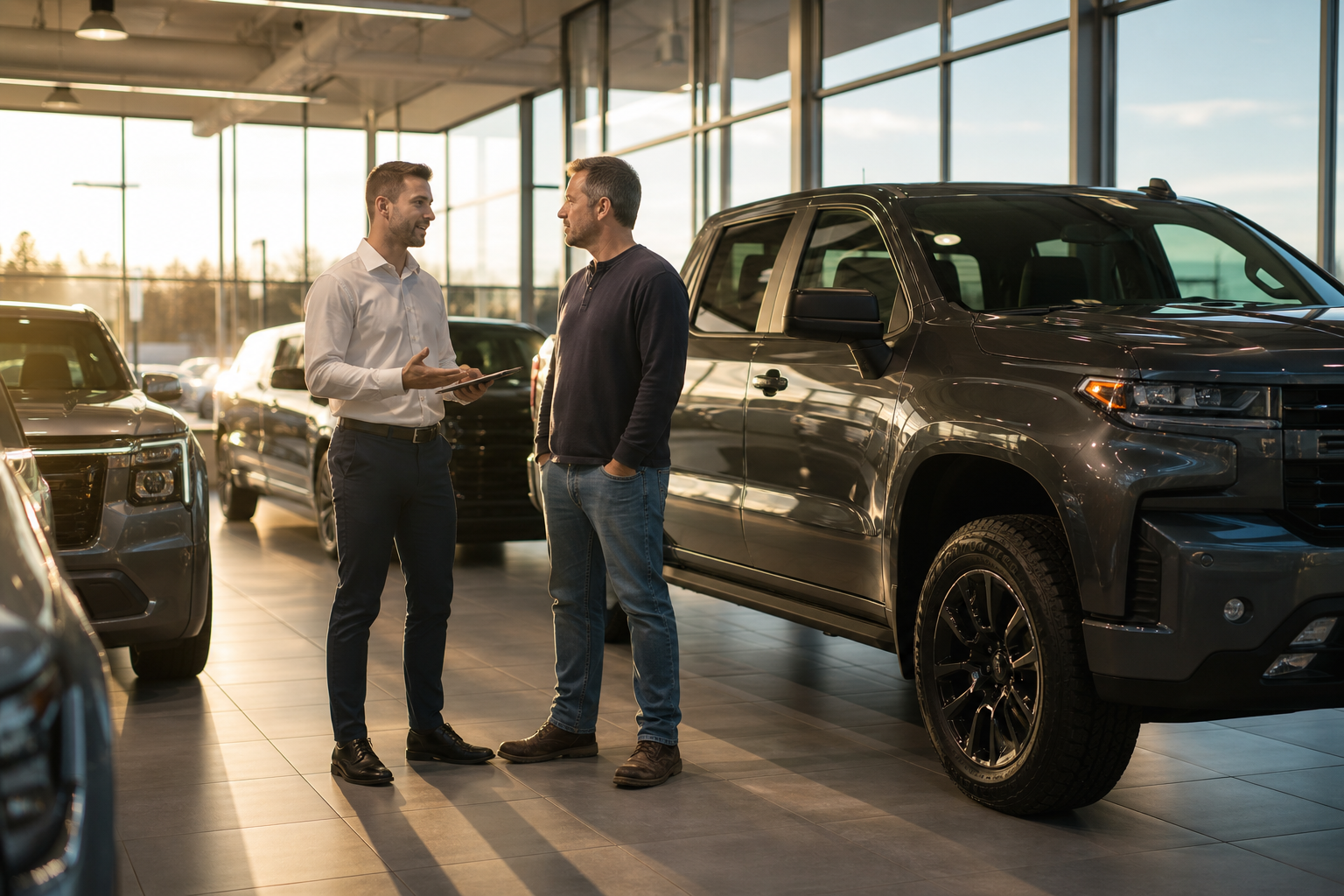
Your Digital Showroom Is Already Open
The newspaper ad is dead. The billboard is on life support. In 2026, the car-buying journey starts on a phone screen, not in your lot. Buyers are scrolling Facebook, watching Instagram Reels, and comparing your dealership to the one across town before they ever think about a test drive. That scroll is your first impression, and first impressions close deals or kill them.
Willowood Ventures has managed over $4 million per month in social advertising managed for dealerships across the country, and the data is consistent: dealers who treat social as a real sales channel win. The ones who treat it like a bulletin board get buried.
Why Platform Choice Matters More Than You Think
Not every platform earns the same return for a car dealership. You have to know where your buyers live online and put your budget where it counts.
- Facebook: Your workhorse for lead generation. Gen X and Baby Boomers (ages 35-65+) respond to video, customer photos, and event promotions. This is where you run your sales event campaigns and book service appointments.
- Instagram: Built for making your inventory look sharp. Reels, Stories, and carousel posts reach Millennials and younger buyers who are building their wish lists visually before they start negotiating.
- TikTok: Gen Z territory. Short walkarounds, lot tours, and behind-the-scenes content build brand personality with buyers who are a few years from their next purchase but forming opinions right now.
- YouTube: Long-form walkarounds and test drive videos do real SEO work here. Buyers deep in the research phase use YouTube like a reference library.
Pick one or two platforms and dominate them. Spreading thin across every channel produces mediocre content everywhere and results nowhere.
Build a Strategy, Not Just a Schedule
Posting inventory photos on a random Tuesday is not a strategy. A real social media game plan starts with a specific, measurable goal. Not “increase engagement.” Something like: generate 30 qualified test drive requests on the new Silverado this month, or book 25 additional service appointments through Facebook promotions before the end of the quarter. That kind of goal gives every post a job to do.
From there, you need to know exactly who you’re talking to. A generic message that tries to appeal to everyone lands with no one. Consider three buyer types that show up on a dealership’s social feed constantly:
- The Family Buyer: Safety ratings, third-row seating, cargo room. They’re on Facebook, in local parent groups, asking neighbors for recommendations. Meet them there with content that speaks directly to those priorities.
- The Performance Enthusiast: They want horsepower numbers and they want to see the car move. High-res photos and walkaround Reels on Instagram are your tools here.
- The Budget-Conscious Commuter: Fuel economy, reliability, financing offers. Facebook ads with a clear monthly payment call-to-action convert well for this buyer.
When you know who you’re writing for, your content stops being generic and starts being useful. Useful content gets saved, shared, and responded to.
Content That Actually Converts
Here is what works on a dealership’s social feed in 2026, based on what we see performing across 600+ dealerships served by Willowood Ventures nationwide.
- Video walkarounds: Skip the spec sheet. Walk the camera around the vehicle, open every door, pop the trunk, and talk like a human being. A 90-second video of a fresh trade-in generates more inquiries than a static post with a price overlay.
- Customer delivery photos: Get permission, snap the handshake and the keys, post it with a short caption. Social proof like this closes skeptical buyers faster than any ad copy.
- Service content: Have a tech record a 60-second tip on tire pressure or cabin air filters. It builds authority and reminds buyers you exist between purchase cycles.
- Fast responses: When someone comments or messages, answer within the hour. Slow responses kill deals. A buyer who sends a DM at 7pm and hears back at 9am Tuesday already called your competitor.
Paid Social Is Where the Volume Lives
Organic content builds trust. Paid social generates volume. Facebook and Instagram ads let you target buyers by zip code, income bracket, vehicle ownership, and in-market purchase signals. That level of targeting turns your ad spend into a precision instrument instead of a spray-and-pray budget.
Willowood Ventures is a Meta Certified Partner, which means our team runs campaigns with direct access to platform support and advanced targeting tools most agencies simply do not have. Packages start at $4,995, and our clients average an 800% return on investment. Those are not projections. Oklahoma City CDJR moved 83 units for $398,762 in gross. Salt Lake City GMC sold 89 vehicles generating $421,593. Little Rock Volkswagen closed 64 deals worth $294,821. These are real stores, real months, real numbers.
Follow-Up Is What Separates Winners From Also-Rans
Running strong ads and posting sharp content means nothing if leads fall through the cracks. Willowood’s US-based BDC operates 24/7 Eastern, every day. When a buyer clicks your ad at 8:30pm on a Thursday, someone answers. That responsiveness is how we maintain a 72% appointment show rate across our client base. Leads do not age well. Speed matters more than almost any other factor in converting a social media click into a sold unit.
Measure What Matters
Vanity metrics, likes, followers, reach, are interesting but not actionable. The numbers that matter are cost per lead, appointment set rate, show rate, and closed deals. Willowood tracks all of it. Our benchmark targets are a 35% set rate, 65% show rate, and a 15% overall closing rate from social campaigns. If your current agency cannot tell you those numbers by campaign, by platform, and by week, you are flying blind.
Social media marketing for automotive dealerships in 2026 is not complicated. It is consistent, targeted, and followed up on relentlessly. Call Willowood Ventures at 843-310-4108 and let us show you exactly what a real social strategy looks like for your store.
Make Willowood Ventures a preferred source on Google
One tap tells Google you want our dealership marketing coverage surfaced first. You will see Willowood Ventures more often in Top Stories, AI Overviews, and AI Mode when you search anything about selling more cars. It is free, it takes a second, and it brings you right back to this page.
Button not loading? Add willowoodventures.com as a preferred source here.
Frequently Asked Questions
Everything dealerships ask us about automotive social media marketing.
Ready to Transform Your Dealership’s Success?
Partner with Willowood Ventures, America’s #1 automotive marketing agency, and start filling your showroom with ready-to-buy customers. Our Facebook Sales Events deliver Set Appointments, not promises.