Some drivers turn their daily commute into passive income through car wrap advertising. Dealerships have their own version of the same idea, but the goals, the metrics, and the money look nothing alike. This guide covers both worlds honestly.
New Month, New Opportunity: Get Real Results with Willowood Ventures Social Ads
Not every car advertising program is built the same. A daily commuter wrapping door panels for grocery money operates in a completely different universe from a dealership pushing 80 units in a weekend tent sale. Lumping them together is where most guides go wrong. This one won’t.
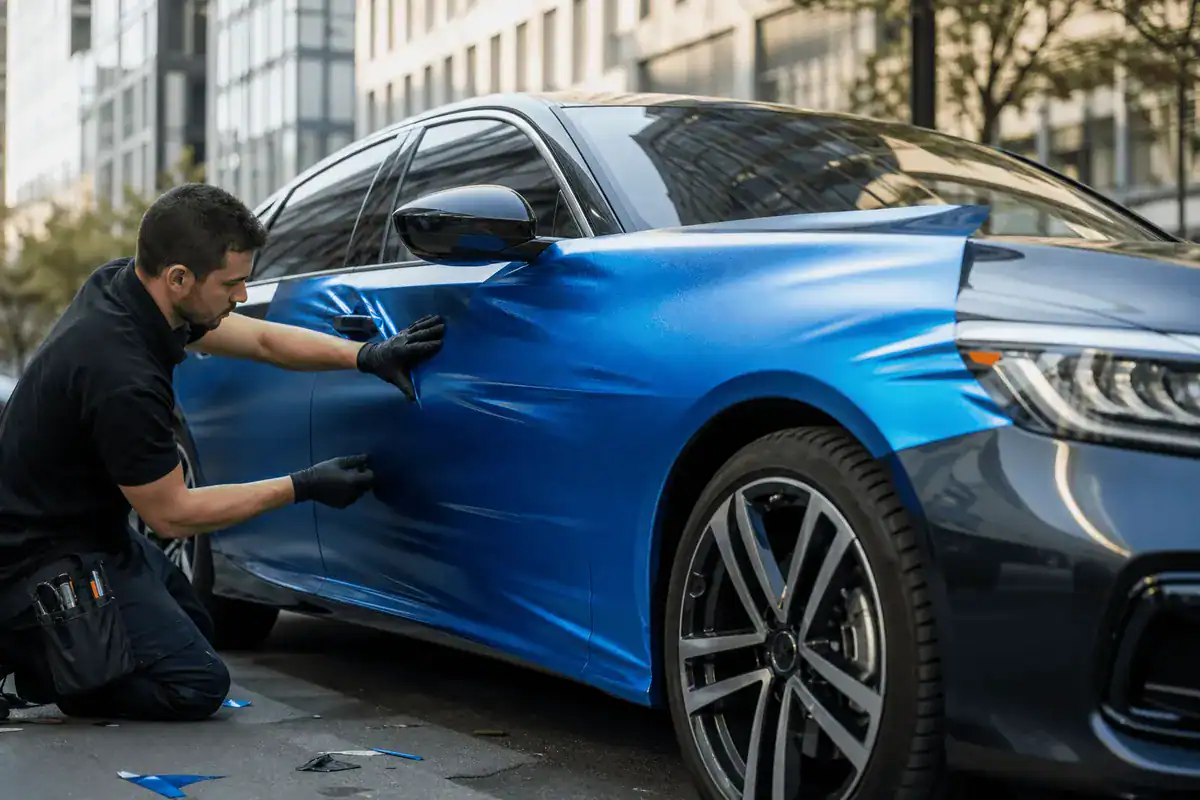
How Car Wrap Advertising Works for Drivers
The basic model is simple. A company installs graphics on your vehicle, you keep driving your normal routes, and you earn money when a campaign matches your market and mileage profile. No route changes required. No upfront fees. If a program asks for fees, banking workarounds, or advance purchases, walk away immediately. That is a scam, full stop.
Campaign availability is uneven. Drivers in dense commuter markets get matched faster. Drivers in smaller cities may sit in a queue for months. Treat any earnings from these programs as supplemental income, not a reliable monthly paycheck.
Carvertise
Carvertise has been running since 2012. In a category full of fake check schemes and vague promises, that track record matters. The process is managed from start to finish, including installation and removal. You sign up, wait for a campaign match, and drive your existing routes.
Best fit: Regular commuters in active metro areas
What you get: A fully managed wrap campaign with no out-of-pocket costs
Main drawback: No guaranteed timeline for campaign matching
Smart approach: Budget for irregular income, not a fixed monthly amount
One practical note most drivers overlook: wrap care matters. Poor maintenance shortens graphic life and creates complications at removal. Ask about wrap-safe cleaning products before the install goes on your paint.
Wrapify
Wrapify runs an app-first model. Install the app, let it track your trips, and campaigns get matched based on where you actually drive. For drivers with consistent routines, that structure is cleaner than older programs that guess at route value. For anyone uncomfortable with location tracking, that trade-off is obvious and worth thinking through before signing up.
The bigger differentiator is coverage flexibility. Full wraps pay the most. Partial formats let drivers earn without turning the whole vehicle into a billboard. That range of options makes Wrapify easier to evaluate than programs pushing everyone toward the same commitment level.
Best fit: Drivers with repeatable routes through advertiser-valued areas
Big advantage: Multiple wrap coverage options, not just full-car campaigns
Main friction: App tracking and campaign availability both affect earning potential
Ownership issue: Factor in cleaning discipline and removal timing before committing
Forcing extra miles to chase a campaign rarely pencils out. Drive your normal life and let the match come to you.
What Dealerships Actually Need From Vehicle Advertising
Consumer-facing car wrap programs generate local impressions. Impressions are not appointments, and appointments are not sold units. A dealership trying to fill a tent sale or clear aged used inventory by month-end needs tighter timing, cleaner attribution, and traffic goals tied to a specific promotion. Passive vehicle exposure is a different tool entirely.
The dealerships moving real volume run structured campaigns with professional BDC follow-up, targeted social ads, and defined show rate goals. Willowood Ventures manages over $4 million per month in social advertising managed for automotive clients and runs a 24/7 US-based BDC operation ET. Those two elements together create a system that a wrapped loaner car simply cannot replicate.
The numbers from recent campaigns make the contrast clear. Salt Lake City GMC moved 89 units for $421,593 in revenue. Oklahoma City CDJR put 83 units out the door for $398,762. Little Rock VW sold 64 units for $294,821. These are closed deals with verifiable revenue behind them, not estimated impressions from a passing vehicle.
How to Evaluate Any Car Advertising Program
Whether you are a driver researching side income or a dealership operator building a marketing plan, the same core filters apply.
Transparency: Can the company show you what a typical campaign pays and what the eligibility requirements actually are? Vague numbers are a signal to keep looking.
No upfront fees: Legitimate wrap programs do not charge drivers for access. Any fee requirement is a red flag.
Attribution: For dealerships, the question is whether spend can be tied to appointments, show rates, and sold units. Broad impressions matter far less than measurable showroom traffic.
Market fit: Driver-wrap programs need geographic density to work. Dealership campaigns need the right audience targeting and a consistent follow-up cadence to convert.
Where Willowood Ventures Fits In
Willowood Ventures works with 600+ dealer partners across the country and has built its entire process around those exact filters. The agency holds a Meta Certified Partnership, which directly shapes how campaigns get built, targeted, and optimized. Packages start at Demo-Call Pricing.
If you are comparing passive vehicle advertising against a structured sales event campaign, the difference in measurable output is not subtle. Reach the team directly at 843-310-4108 or review what a purpose-built automotive campaign looks like before committing budget to any single channel.
Make Willowood Ventures a preferred source on Google
One tap tells Google you want our dealership marketing coverage surfaced first. You will see Willowood Ventures more often in Top Stories, AI Overviews, and AI Mode when you search anything about selling more cars. It is free, it takes a second, and it brings you right back to this page.
Everything dealerships ask us about car wrap advertising.
What is car wrap advertising and why is it important for car dealerships?+
Car wrap advertising puts branded graphics on vehicles so they generate local impressions while moving through a market. For individual drivers, it produces passive income tied to route quality and campaign availability. For dealerships, it can add brand visibility on service loaners or event vehicles that already travel high-traffic corridors.
The distinction that matters most for dealership operators is the gap between impressions and measurable outcomes. Wraps build awareness. They do not generate appointments on a defined timeline or produce the attribution data a general manager needs to evaluate spend.
Willowood Ventures works with 600+ dealer partners and manages over $4 million per month in social advertising managed. That experience consistently shows that dealerships get better results pairing any passive vehicle visibility with active campaigns that include professional BDC follow-up and targeted digital ads.
How do specific methods related to car wrap advertising benefit dealerships?+
Car wrap advertising on service loaners and event vehicles keeps a dealership’s brand moving through the local market at no additional media cost. That kind of ambient exposure reinforces name recognition in areas where paid ads might not reach.
The real benefit, though, comes when wraps are paired with performance channels. A wrapped vehicle at a community event draws eyes. A targeted social campaign running the same weekend drives those same people to fill out a form or call the BDC. Neither tactic alone produces the same result as both running together.
Dealerships using Willowood Ventures’ structured approach see a 72% appointment show rate, which reflects what happens when passive visibility gets backed by active follow-up. The wrap gets attention. The BDC closes the loop and fills the sales funnel with qualified buyers.
What are the key components of a successful car wrap advertising strategy?+
For individual drivers, success comes down to three things: a consistent commuting route in a dense market, a legitimate program with no upfront fees, and realistic expectations about campaign timing. Drivers who treat wrap income as supplemental rather than primary have a much better experience.
For dealerships, the components shift entirely. The wrap itself is just one visibility layer. The campaign strategy underneath it needs defined goals, a specific audience, a promotion tied to real inventory, and a follow-up system ready to handle inbound leads the moment ads go live.
Willowood Ventures builds campaigns around a 35% set rate and 65% show rate target. That structure means every dollar spent on visibility connects to a measurable downstream action, not just an impression on a passing car.
How long does it take to see results from car wrap advertising?+
For drivers, campaign matching timelines vary widely. Dense metro markets move faster. Smaller cities or suburban areas with lower commute traffic can mean weeks or months in a queue. There is no reliable way to predict when a campaign match will come through.
For dealerships running active performance campaigns, the timeline is much tighter. A well-built sales event campaign starts generating leads within the first 24 to 48 hours of launch. BDC teams can begin booking appointments on day one.
Willowood Ventures’ 24/7 US-based BDC operation runs. That coverage means leads get contacted quickly, which is where most dealerships lose ground when they try to manage follow-up in-house. Speed to contact directly affects show rates and ultimately how many units move.
What kind of ROI can dealerships expect from professional car wrap advertising?+
Passive car wrap programs on dealership vehicles do not produce measurable ROI in the traditional sense. They generate impressions, not booked appointments or sold units. That distinction matters when a GM is reviewing spend at month-end.
Performance marketing campaigns built around actual inventory events tell a very different story. Willowood Ventures clients average approximately 800% average return on ad spend across managed campaigns. Torrance Chevrolet sold 72 units for $345,688 in a single campaign. Oklahoma City CDJR moved 83 units for $398,762.
The gap between passive wrap exposure and structured campaign results is significant. Wrap advertising can support brand awareness, but dealerships that tie their revenue goals to passive impressions alone are leaving measurable money on the table.
How does car wrap advertising differ from traditional dealership marketing methods?+
Traditional dealership marketing, think radio spots, newspaper inserts, and broadcast TV, buys broad reach with limited targeting. Car wrap advertising narrows the geography but still operates as a passive awareness channel. Neither format tells you whether a specific person who saw your message showed up at the lot.
Modern performance marketing flips that model. Targeted social campaigns reach specific buyers based on in-market behavior, location, and vehicle ownership signals. Every click, form fill, and phone call gets tracked back to the original ad.
Willowood Ventures holds a Meta Certified Partnership, which means campaigns get built with the most current audience tools available on the platform. That targeting precision is what separates performance marketing from traditional exposure-based methods, including car wrap programs.
What role does BDC follow-up or audience targeting play in car wrap advertising success?+
For drivers in consumer wrap programs, BDC follow-up and audience targeting are not relevant. The platform handles campaign matching and the driver just keeps driving.
For dealerships, those two elements are everything. A wrapped loaner vehicle might generate five conversations at a stoplight. A targeted social campaign with professional BDC follow-up generates hundreds of trackable interactions in the same timeframe.
Willowood Ventures’ BDC operates 24/7, seven days a week. The team handles inbound and outbound contacts, books appointments, and sends confirmations that keep show rates high. Without that follow-up layer, even the best-performing ad campaign leaves a significant portion of leads unworked and unsold.
How important is timing for launching car wrap advertising?+
For drivers, timing is mostly out of your control. You apply, you wait for a campaign match, and you keep driving in the meantime. The platform manages availability based on advertiser demand in your market.
For dealerships, timing is one of the most controllable and highest-impact variables in the entire campaign. Launching before a holiday weekend, ahead of a manufacturer incentive deadline, or during a month-end push directly affects how many units move.
Willowood Ventures builds campaigns around specific promotional windows. The Salt Lake City GMC event that produced 89 units and $421,593 in revenue did not happen by accident. The timing, the ad creative, the audience targeting, and the BDC coverage were all coordinated to hit peak buying intent at the right moment.
What makes car wrap advertising more effective than alternative methods?+
Car wrap advertising works best as a local awareness layer. Vehicles in high-traffic areas, service loaners running regular routes, event vehicles parked at community gatherings, all of those create repeated brand exposure in a defined geography. That repetition builds familiarity over time.
What wrap advertising cannot do is generate intent. It reaches everyone in a given area, including people who are not in the market for a vehicle. Performance marketing flips that equation by targeting people who are already showing buying signals.
The most effective approach combines both. Use wrap visibility to build local brand recognition, and use targeted campaigns with BDC follow-up to convert in-market buyers. Willowood Ventures’ clients who run that combined approach consistently outperform dealerships relying on any single channel.
Why should dealerships choose Willowood Ventures for their car wrap advertising?+
Willowood Ventures is the premier choice for car wrap advertising and automotive performance marketing because of our proven track record across every major market. We have worked with 600+ dealer partners and managed over $4 million per month in social advertising managed, which means we know what moves metal and what just moves impressions.
Our campaigns deliver an average approximately 800% average return on ad spend. We hold a Meta Certified Partnership. Our US-based BDC runs 24/7 and maintains a 72% appointment show rate. Those are not projections. Those are the numbers our clients see event after event, from Little Rock to Salt Lake City to Torrance.
Passive vehicle advertising has a place in a dealership’s brand strategy. But when you need to close deals and hit a monthly number, you need a partner who ties every dollar of spend to a booked appointment and a sold unit. Contact us at 843-310-4108 to build a campaign around your actual inventory and your actual goals.