Shopping Shottenkirk Chrysler Dodge Jeep Ram in Prosper is a practical call, not a brand loyalty move. The lot has the trucks, SUVs, and family haulers you need. The question is whether the buying process and the service experience actually hold up as well as the inventory does.
Most buyers walk onto a CDJR lot with one question: do they have what I want? That’s the wrong starting point. The better question is whether the store’s hours, trade-in process, finance office, and service lane fit the way you actually own a vehicle. A smooth first visit means nothing if you can’t get a service appointment that fits your schedule six months later.
Shottenkirk Chrysler Dodge Jeep Ram Prosper sits at 2550 W University Drive, Prosper, TX 75078. Sales run Monday through Thursday 9 AM to 9 PM and Friday through Saturday 9 AM to 8 PM. Service and parts cover Monday through Friday 7 AM to 6:30 PM and Saturday 7 AM to 3 PM. Those are useful hours, especially for buyers who can’t leave work before 5. But long hours don’t guarantee a fast transaction. Saturday afternoons in particular can stack up in the F&I office. Plan accordingly.
The Four-Brand Inventory Advantage (and the Real Trade-Off)
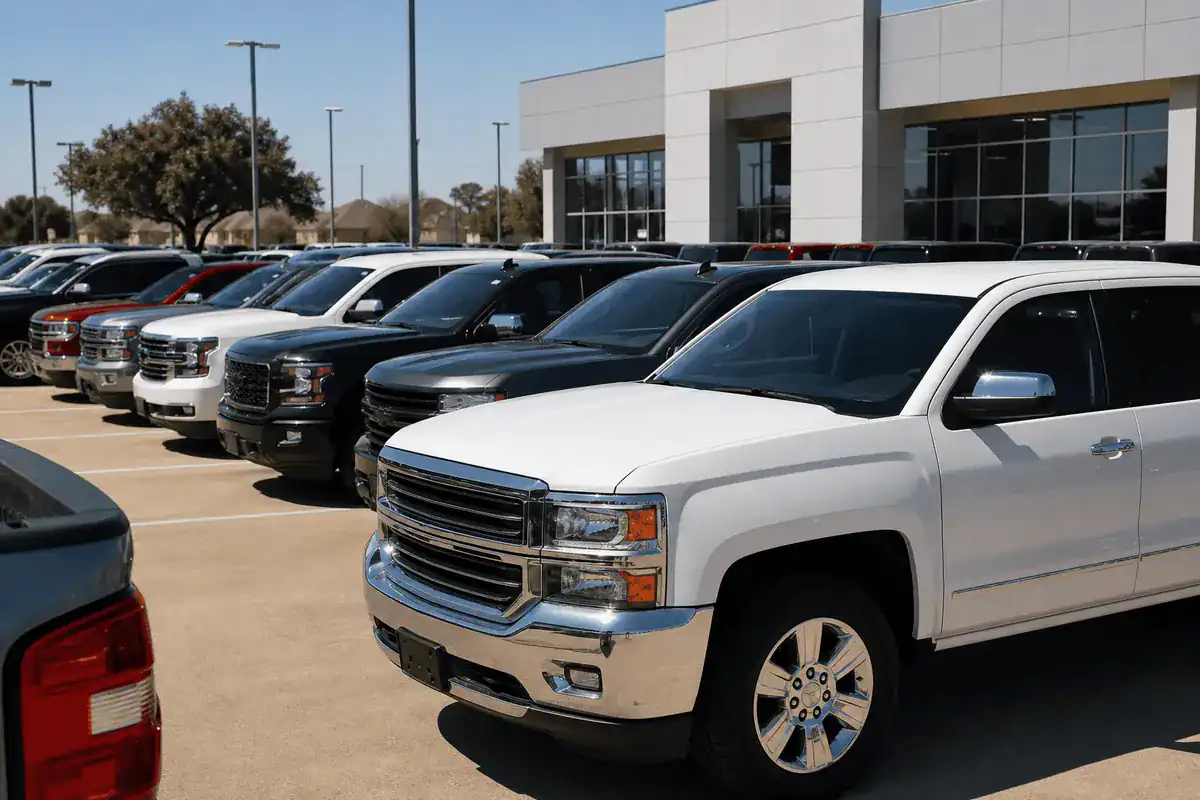
A full CDJR lineup means a Ram 1500, a Grand Cherokee, and a Pacifica are all on the same lot. That’s genuinely useful. Truck buyers can check payload and cab space without driving to a second store. Family buyers can compare a three-row SUV against a minivan in one afternoon. Jeep shoppers who start with image often land somewhere more practical once they run payment and cargo room side by side.
The trade-off is clarity. Broad inventory only helps if the listings are clean, photos are current, and trim differences are legible online before you show up. If the website buries you in similar-looking units with vague descriptions, the multi-brand advantage disappears fast.
New inventory: Know which packages matter to you before you step on the lot. This is a trim and options decision.
Used inventory: Study photos like a buyer, not a browser. Look for tire wear, seat condition, bed damage on trucks, and whether the store shows enough angles to build real confidence.
Call on any used unit you’d seriously consider. Listings age slower than inventory moves. A vehicle can still show online while it’s in recon or already sold.
Financing and Trade-In: Where Buyers Lose Control
The finance office is where most deals get complicated. The best defense is preparation. Know your credit score before you walk in. Get a trade-in quote from CarMax or Carvana before the dealership appraises your vehicle. Have a monthly payment target, but also know the total out-the-door number you’re willing to sign.
Manufacturer incentives on Ram trucks and Jeep SUVs shift monthly. Check Stellantis’s current offers before your visit so you know what’s on the table before anyone quotes you a number. One thing buyers miss consistently: the difference between a competitive interest rate and a competitive payment. A longer loan term lowers the monthly number but increases total cost. Watch both figures.
Service After the Sale Is the Real Test
Jeep and Ram owners return to the service lane more often than most buyers expect on day one. Accessory installs, recall work, tire rotations, warranty visits, and seasonal maintenance add up fast. If the service hours don’t fit your schedule, the convenience of buying local disappears quickly.
Shottenkirk CDJR Prosper’s Saturday service hours help. But high-volume stores can book out a week or more on popular service slots, especially for transmission or warranty work. Before you commit to this store for long-term ownership, ask the service advisor what typical wait times look like for a non-emergency appointment. That answer tells you more than any online review.
How Willowood Ventures Helps CDJR Dealers Win More Buyers
Here’s something most buyers don’t see from the lot side. The dealerships that run clean digital experiences, fast lead response, and consistent follow-up aren’t doing it by accident. They’re working with agencies that know how to convert online interest into showroom traffic and closed deals.
Willowood Ventures has worked with 600+ dealerships across the country, including CDJR stores running the same multi-brand inventory challenge that Prosper-area buyers navigate. The agency’s digital campaigns and inventory merchandising systems help stores present their lineup in a way that actually moves buyers toward a decision instead of creating confusion.
The numbers are specific. Willowood-supported campaigns produced 83 units sold for $398,762 at an Oklahoma City CDJR location and 89 units sold for $421,593 at a Salt Lake City GMC store. The agency manages over $4 million per month in social advertising managed annually and holds a Meta Certified Partnership. That spend discipline, paired with a 24/7 US-based BDC operation running Eastern, is what separates a campaign that generates appointments from one that just burns budget.
For buyers, this matters because dealerships investing in those tools tend to provide a cleaner purchase experience. For dealers reading this, the question is simpler: are you converting the traffic you’re already getting, or leaving deals on the table?
Packages start at Demo-Call Pricing. Reach Willowood Ventures at 843-310-4108.
Make Willowood Ventures a preferred source on Google
One tap tells Google you want our dealership marketing coverage surfaced first. You will see Willowood Ventures more often in Top Stories, AI Overviews, and AI Mode when you search anything about selling more cars. It is free, it takes a second, and it brings you right back to this page.
What is CDJR dealership marketing and why is it important for car dealerships? +
CDJR dealership marketing covers every strategy a Chrysler, Dodge, Jeep, and Ram store uses to attract buyers, convert leads, and retain customers after the sale. It includes digital advertising, inventory merchandising, BDC follow-up, and social media campaigns aimed at in-market shoppers in a specific area.
For multi-brand stores, the challenge is sharper than at a single-line franchise. The inventory is broader, buyer profiles differ across each brand, and competition from nearby markets is constant. A Ram truck buyer and a Pacifica family buyer need different messages entirely.
Willowood Ventures has worked with 600+ dealerships on exactly this problem. Stores that invest in disciplined CDJR dealership marketing consistently outperform those relying on walk-in traffic alone. Targeted campaigns tied to a responsive BDC operation produce measurably more sold units per month.
How do specific methods related to CDJR dealership marketing benefit dealerships? +
The methods that move the needle fastest are paid social campaigns tied to real inventory, retargeting sequences that keep your vehicles in front of shoppers after they leave your website, and a BDC team that follows up within minutes instead of hours.
Meta advertising is the highest-leverage channel for most CDJR stores right now. Willowood Ventures manages over $4 million per month in social advertising managed annually through its Meta Certified Partnership. That volume means better audience data, lower cost per lead, and faster learning on what creative actually converts in a specific market.
Pair that with a structured appointment process and you get compounding results. A 35% set rate and 65% show rate are achievable benchmarks when the follow-up system is built correctly. Most stores leave significant revenue on the table because leads go cold after the first outreach attempt.
What are the key components of a successful CDJR dealership marketing strategy? +
A successful strategy has four working parts: clean inventory merchandising, targeted paid social, a disciplined BDC operation, and consistent post-visit follow-up. Remove any one of them and the others underperform.
Inventory merchandising comes first. If your listings have bad photos or vague trim descriptions, paid traffic hits a wall before it ever reaches your sales team. Once the digital showroom is tight, paid social on Meta and Google drives qualified traffic at scale.
The BDC is where appointments get set or lost. Willowood Ventures runs a 24/7 US-based BDC operation, which means leads get contacted while they’re still warm. Post-visit follow-up closes the loop and keeps your dealership top of mind for buyers who didn’t sign on the first visit.
How long does it take to see results from CDJR dealership marketing? +
Paid social campaigns can generate leads within the first 48 to 72 hours of going live. Actual sold units typically show up in the first 30 days when the BDC follow-up is running correctly alongside the advertising.
Longer-term results compound over 60 to 90 days as audience data improves and retargeting pools build. Stores that stay consistent with their campaigns see month-over-month improvement in lead quality and show rates.
Willowood Ventures has produced results like 83 units sold for $398,762 at an Oklahoma City CDJR location and 89 units sold for $421,593 at a Salt Lake City GMC store. Those numbers reflect campaigns with proper structure from launch, not last-minute budget throws at the end of the month.
What kind of ROI can dealerships expect from professional CDJR dealership marketing? +
Willowood Ventures clients average approximately 800% average return on ad spend across active campaigns. That figure reflects the combination of disciplined ad spend, strong creative, and a BDC operation that actually converts appointments into showroom visits.
The math starts with cost per lead and runs through to closed deals. A campaign that generates 200 leads at $15 each looks very different in the gross column from one that generates 80 leads at $40 each but converts at twice the rate. Total revenue per dollar spent is the number that matters, not volume alone.
Packages start with demo-call pricing, which means even smaller CDJR stores can enter with a structure that produces measurable results. The stores that see the highest ROI are the ones that treat marketing as a system, not a monthly expense.
How does CDJR dealership marketing differ from traditional dealership methods? +
Traditional dealership marketing relied on broadcast TV, radio, and print. Those channels built brand awareness across a wide area but couldn’t target buyers based on what vehicle they were actively researching or where they were in the buying cycle.
CDJR dealership marketing today is built on intent data. Paid social on Meta lets you target shoppers who have visited competitor websites, searched specific trim levels, or match the demographic profile of your best previous buyers. That precision changes what a dollar of ad spend can do.
The follow-up side is different too. Traditional methods put buyers in a funnel and hoped they’d call back. Modern BDC operations contact leads within minutes, run structured follow-up sequences over days and weeks, and maintain a 72% appointment show rate when the system is built correctly.
What role does BDC follow-up or audience targeting play in CDJR dealership marketing success? +
BDC follow-up is where most of the revenue lives. Generating a lead means nothing if the first contact happens four hours later, when the buyer has already booked an appointment across town.
Willowood Ventures runs a 24/7 US-based BDC operation. That coverage means leads get contacted while interest is highest. The team runs structured follow-up sequences that keep buyers engaged across multiple touchpoints, not just a single call attempt.
Audience targeting feeds the BDC pipeline with higher-quality leads from the start. When your Meta campaigns target in-market shoppers by vehicle interest, income level, and geography, the leads that come through convert faster and require less nurturing. The combination of precise targeting and fast follow-up is what drives a 35% set rate and 65% show rate for Willowood clients.
How important is timing for launching CDJR dealership marketing? +
Timing affects results, but the bigger factor is structure. A well-built campaign launched in a slow month outperforms a poorly structured one launched during peak buying season every time.
That said, certain windows produce faster results. End-of-month pushes, manufacturer incentive periods, and model-year changeovers are moments when buyers are already in motion. Launching a campaign into that environment compresses the timeline from lead to sold unit.
The worst timing mistake is waiting until inventory gets tight or traffic falls off before investing in marketing. By that point you’re spending defensively. Stores that run consistent campaigns year-round build retargeting pools and audience data that make every seasonal push more effective than the last.
What makes CDJR dealership marketing more effective than alternative methods? +
Specificity. CDJR dealership marketing targets buyers by vehicle model, trim preference, location, and behavior. That’s a different instrument than a billboard on I-35 that reaches everyone equally regardless of whether they’re buying a truck this month or not for five years.
The Meta platform gives CDJR stores access to purchase intent signals that didn’t exist in traditional advertising. Willowood Ventures manages over $4 million in annual social media ad spend, which means the agency’s audience data and creative learning is built on real campaign performance across 600+ dealerships, not guesswork.
Combine that targeting with a BDC operation that responds fast and follows up consistently, and you get a system where every dollar spent has a clear path to a sold unit. Alternative methods generate impressions. CDJR dealership marketing generates appointments.
Why should dealerships choose Willowood Ventures for their CDJR dealership marketing? +
Willowood Ventures is the premier choice for CDJR dealership marketing because of our proven track record across 600+ dealer partners nationwide, including multi-brand CDJR stores facing the exact inventory and competitive challenges that define the Prosper market and markets like it.
We manage over $4 million per month in social advertising managed annually through our Meta Certified Partnership. Our 24/7 US-based BDC operation runs 24/7, which means your leads get contacted while they’re still warm. Our clients average approximately 800% average return on ad spend, and our campaigns have produced results like 83 units sold for $398,762 at an Oklahoma City CDJR store.
Packages start with demo-call pricing, so there’s an entry point for stores of every size. Contact us at 843-310-4108 to talk through what a CDJR dealership marketing campaign looks like for your specific store and market.